Dramatization of four classic one-act plays by J. G. Tajovský: "Hriech" (Sin, 1911), "Tma" (Darkness, 1912), "V službe" (In the Service, 1911) and "Matka" (Mother, 1906), which capture the image of social changes and changes in people's thinking prior to the First World War.
Ženitba
Jenůfa
A cruel picture of the ways in which human beings acquire power and then cling to it. The story of Father Ubu, an idiot who climbs over the bodies of the dead to his royal post, is presented with a touch of the grotesque where naive comic elements meet black humor. Using a human touch, the film- makers were able to transform the original into a film aimed at a contemporary audience while remaining faithful to the vision of Father Ubu and Mother Ubu venturing everything in their efforts to seize power and mammon.
In 1456, French King Charles VII recalls the story of how he met the 17-year-old peasant girl Joan of Arc, entrusted her with the command of the French Army, and ultimately burned her at the stake as a heretic.
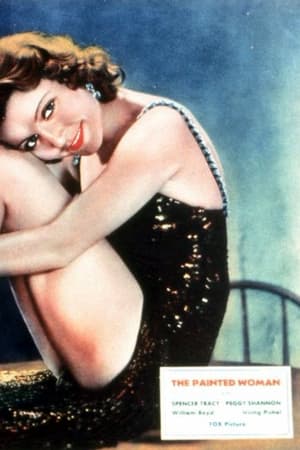
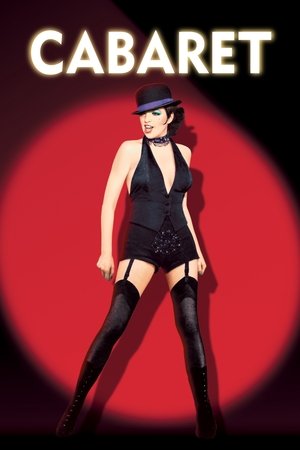
A nightclub dancer shakes the foundations of a wealthy farming family after she marries into it.
Two one-act plays explore love and loneliness. In "Table by the Window" an aging fashion model contrives a reunion with her ex-husband, a politician ruined by scandal, and their passion is rekindled. In "Table Number Seven" a meek woman harbors a secret love for a man accused of fraud and sex offenses, forcing her to take a stand for the first time in her life.
Fort St. David, Cuddalore, southern India, 1748. While colonial empires battle to seize an enormous territory, rich in spices and precious metals beyond the wildest dreams, and try to gain the favor of the local kings, Robert Clive (1725-1774), a frustrated but talented clerk who works for the East Indian Company and struggles to earn his fortune, makes a bold decision that will change his life forever.
Dostoevsky’s latter-day opus about the siblings and their father is among the masterpieces of world literature. It asks profound questions about ethics and religion. Is there a God? Does the devil exist? Is everything allowed because we live in a world without morality? And if so, does patricide even constitute a crime? One of the most interesting adaptations of the material is The Karamazovs by Czech director Petr Zelenka. We witness a group of thesps from Prague on a trip to Krakow in Poland to stage the novel as a play in a derelict steelworks as part of the Closer to Life Festival. The project, however, is born under the bad sign, apparently doomed from the start. When they arrive, the roof is about to cave in, so that the actors are told to wear safety helmets. Their sole consistent audience is a laborer (Andrzej Mastalerz) who rather follows each dress rehearsal than watching over his seven-year-old son who has suffered a tragic accident in the factory.
Moments from the uncompromisingly bleak existence of a secretary, her intellectually disabled sister, aloof and uneasy teacher boyfriend, bizarre neighbor and irritating workmate.
In a dreary North London flat, the site of perpetual psychological warfare, a philosophy professor visits his family after a nine-year absence and introduces the four men - father, uncle and two brothers - to his wife.
A glimpse at the few days and nights in the lives of a brother and sister, Amanda and Tito, in Santiago’s semi-criminal underworld. A rambling portrait of Chilean society.
Kay Arnold is a gold digger who wanders from party to party with the intention of catching a rich suitor. Jerry Strong is a young man from a wealthy family who strives to succeed as an artist. What begins as a relationship of mutual convenience soon turns into something else.
Trigger
A now-rich woman returns to her poor desert hometown to propose a deal to the populace: her fortune, in exchange for the death of the man who years earlier abandoned her and left her with his child.
The land is filled with people in urns chattering at top speed, but only to themselves, not to one another. The focus goes to three people: a man, his mistress and his wife.
This story begins with a protagonist whose sense of time has halted due to the grief of losing his son, now abandoned by his wife, and his sudden cohabitation with his 17-year-old niece left behind by his sister. A man who has lost love, a woman who has renounced love, and a girl who knows nothing of love... As they confront their respective pains, their journey of discovering faint sprouts of hope in hearts as parched as summer sand is depicted—a poignant yet tender masterpiece where sorrow and warmth intertwine.
Jankovics's adaptation of the eponymous play is divided into multiple parts, and depicts the creation and fall of Man throughout history.
Mrs. Emma McChesney is a determined and successful traveling saleswoman for T. A. Buck's Featherbloom Petticoat Company. When Buck dies and his son, T. A. Buck, Jr., takes charge, the company suffers and Emma nearly accepts a job offer from Buck's rival, Abel Fromkin.
Based on the 1907 play 'Lady Frederick' by W. Somerset Maugham, this tells the story of Betsy O'Hara in her pursuit of romance and love.