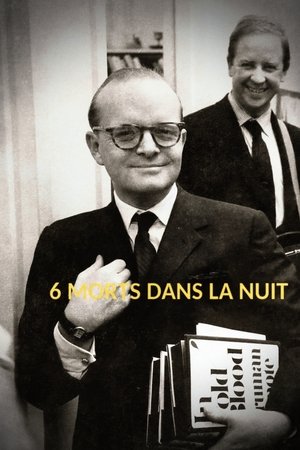
To write In Cold Blood (1966), a nonfiction novel that revolutionized world literature, Truman Capote (1924-84) spent five years in Kansas researching the murder of members of the Clutter family and collecting the confidences of its two authors.
Semjon Byčkov
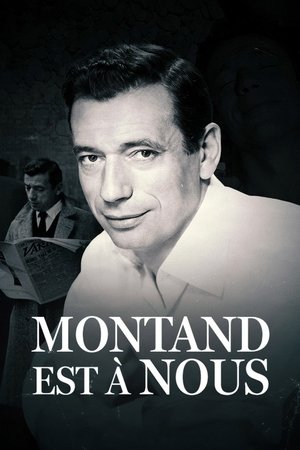
Yves Montand would have been 100-years-old in 2021. A journey through the 20th century by the son of an Italian immigrant who reached the peak of his art and popularity. The song, the cinema, the commitments, a film all in archives.
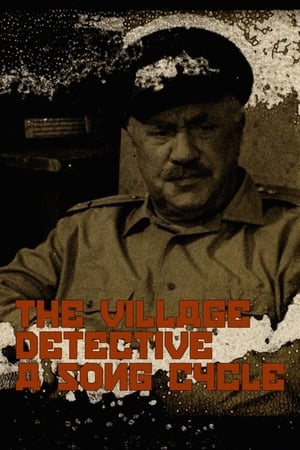
Atlantic Ocean, off the coast of Iceland, July 9, 2016. The surprising discovery of a canister —containing four reels of The Village Detective (Деревенский детектив), a 1969 Soviet film—, caught in the nets of an Icelandic trawler, is the first step in a fascinating journey through the artistic life of film and stage actor Mikhail Ivanovich Zharov (1899-1981), icon and star of an entire era of Russian cinema.
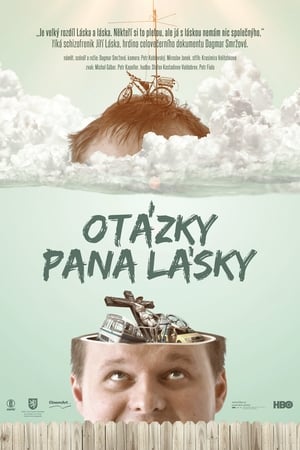
Americans of various walks of live share their experience of schizophrenia.
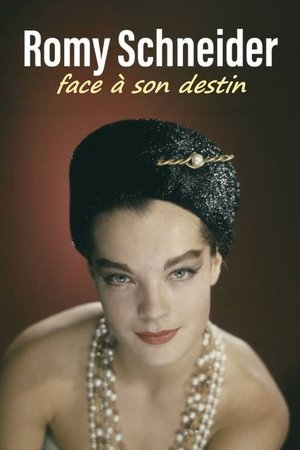
Romy Schneider, face à son destin
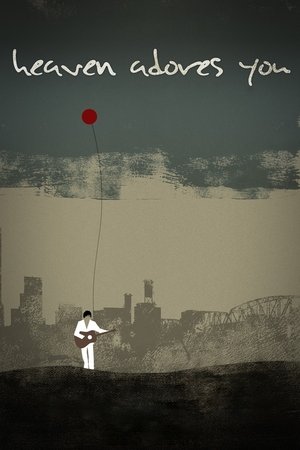
Heaven Adores You is an intimate, meditative inquiry into the life and music of Elliott Smith. By threading the music of Elliott Smith through the dense, yet often isolating landscapes of the three major cities he lived in -- Portland, New York City, Los Angeles -- Heaven Adores You presents a visual journey and an earnest review of the singer's prolific songwriting and the impact it continues to have on fans, friends, and fellow musicians.
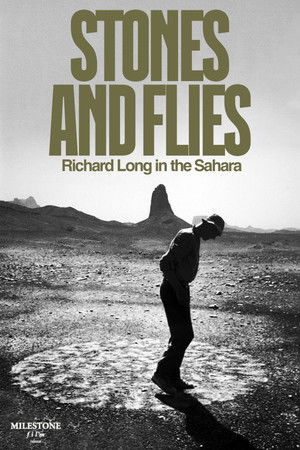
In the fall of 1987, Philippe Haas accompanied the sculptor Richard Long to the Algerian Sahara and filmed him tracing with his feet, or constructing with desert stones, simple geometric figures (straight lines, circles, spirals). In counterpoint to the images, Richard Long explains his approach. Since 1967, Richard Long (1945, Bristol), who belongs to the land art movement, has traveled the world on foot and installed, in places often inaccessible to the public, stones, sticks and driftwood found in situ. His ephemeral works are reproduced through photography. He thus made walking an art, and land art an aspiration of modern man for solitude in nature.
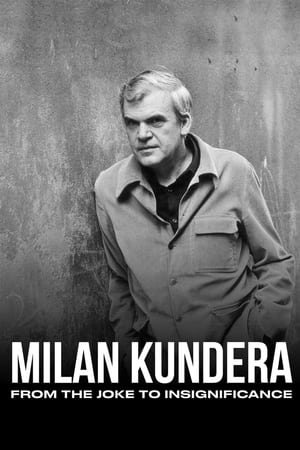
The brilliant Czech writer Milan Kundera has not given an interview in thirty years; nor does he appear in public. How did he become a legendary author? What is so unique about his books?
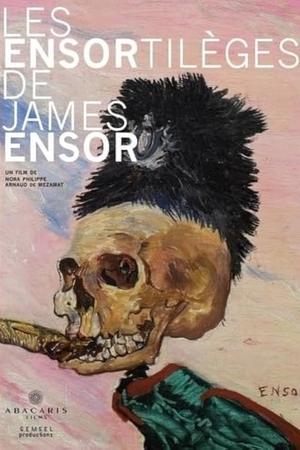
This film explains what James Ensor (1860-1949) meant for the development of art and makes palpable where he got his inspiration from.
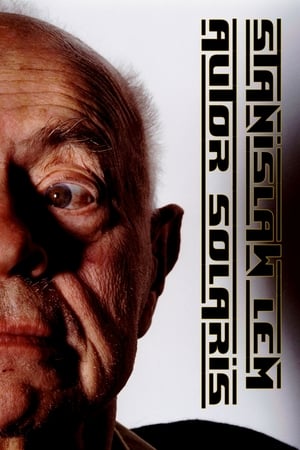
An account of the life and work of the Polish writer Stanisław Lem (1921-2006), a key figure in science fiction literature involved in mysteries and paradoxes that need to be enlightened.
What if, instead of bombs, we dropped watermelons? Dreamy and hopeful, this animated short sweeps us up into a colourful world where layers of reality and creativity intersect. Our protagonist navigates through it all seamlessly, and in the process shows us the importance of imagination.
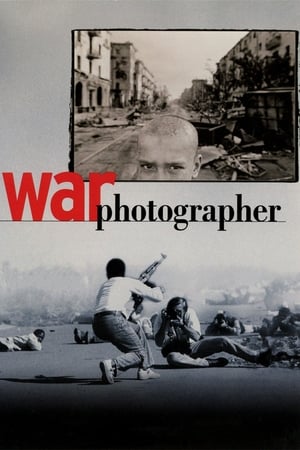
Documentary about war photographer James Nachtwey, considered by many the greatest war photographer ever.
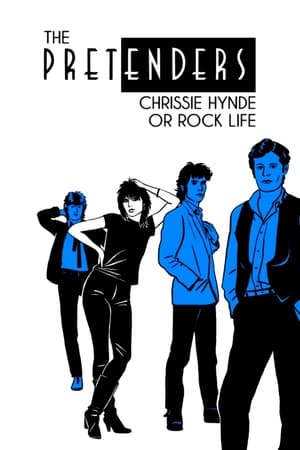
A journey through the artistic life of the British-American rock band The Pretenders, formed in 1978, and a portrait of its leader, the charismatic singer and songwriter Chrissie Hynde.
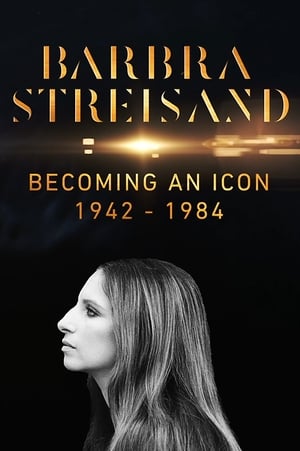
Barbra Streisand grew up in working class Brooklyn, dreaming of escape from her tough childhood. A stellar student, she resisted the pressure to go to college as her sights were firmly set on Broadway. She was determined to become an actress and landed her first role aged 16, but it was two years later, when she started to sing, that her career took off. Subverting stereotypes and breaking glass ceilings, this programme looks at her rise to stardom and the remarkable achievements of her early career.
Otázky pana Lásky
Picha's irreverent style has left a mark on 70s and 80s animation cinema. But where is he now? And how should we best approach his work as an iconoclastic cartoonist, animated film and tv series director and painter who once embodied a certain idea of outrageousness and subversion?
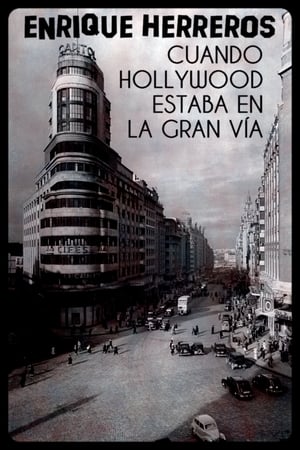
The story of Enrique Herreros (1903-1977), cartoonist, advertiser, poster designer, talent manager, actor, producer and filmmaker, and the most daring of mountaineers; the man who, along with his companions from the so-called “other Generation of '27,” brought Hollywood to Madrid's Gran Vía, turning a grey and sinister post-war city into the capital of an incipient and ambitious cultural industry.
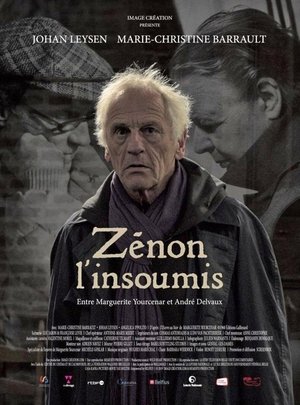
Zénon is the hero of “The Abyss”, the famous novel by Marguerite Yourcenar published in 1968. He is also the main character in André Delvaux’s film, played by Gian Maria Volonte, for the movie adaptation of the same book in 1988. But what does Zénon represent for us today, and what has become of him? How can this entirely fictional philosopher, doctor, alchemist and inventor from the Renaissance help us understand the era in which he lived as well as our own in these uncertain times? This is what this documentary sets out to do.
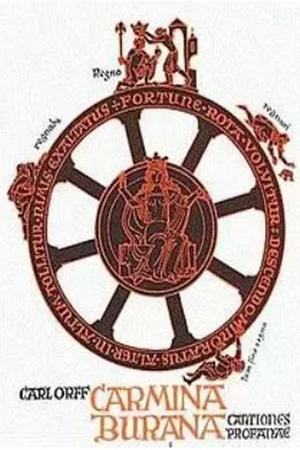
O, Fortuna! A portrait of the composer of Carmina Burana, Carl Orff