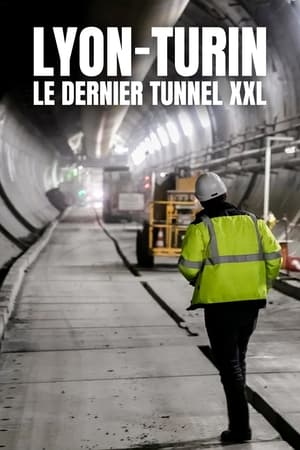
Lyon-Turin : Le Dernier Tunnel XXL
A visit to Peterlee, Co. Durham.
Following a winding 96 km route, the Vouga line emerged in 1908 with the promise of boosting the region's economic development. 100 years later, the "Vale das Voltas Line" has lost most of its former magic. Currently, it is the last Brazilian narrow-gauge railway line. We embark on a journey from the past to the present, where, little by little, the Vouguinha is being reborn. Driven by tourism, steam power, and the strengthening of the train's role in sustainable mobility, what will be the next stop?
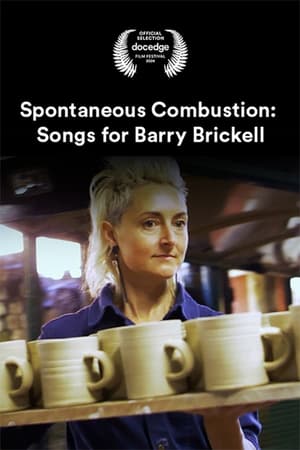
Spontaneous Combustion embraces the holistic vision of one of Aotearoa New Zealand’s most provocative artists and thinkers: the unity of the natural environment and the human imagination, the energy, rhythm and textures of the physical world expressed in clay, words, and music. The film celebrates the legacy of Barry Brickell (1935-2016) and the realisation of his extraordinary dream, Driving Creek Railway: a productive pottery with numerous kilns, a bush railway, a native bird and bush sanctuary and a lively creative hub drawing artists from around the globe.
Great New Zealand Railway Journeys
TGV Paris-Bordeaux, la ligne de tous les records
INERCIA
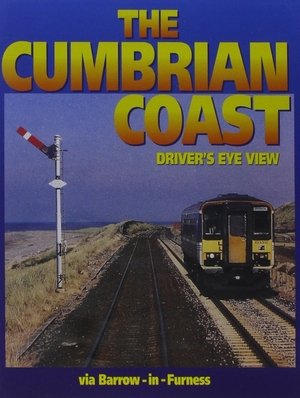
One of the least well-known areas of Britain, we travel to the Cumbrian Coast by means of two different trains. Firstly, we board a North West Regional Railways Express (class 156) which traverses the former Furness Railway via Grange-over-Sands and Ulvertston to Barrow-in-Furness. There we change to a class 153 for the most scenic section of the route along the coast from Bootle to Maryport, filmed in what can only be described as 100% perfect weather - not a cloud in the sky! Apparently you only get one day a year like that along the coast and we were there! As signalling expert David Allen says in his script; "this line is a mecca for semaphore signalling enthusiasts". Filmed in 1997.
When the first railroads were built some two hundred years ago, they brought about a revolutionary change for mankind, linking cities and countryside, driving the industrial revolution and irrevocably changing the landscape: a history of the railroad from its beginnings to the present day.
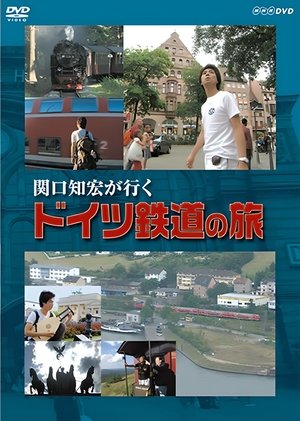
関口知宏が行く ドイツ鉄道の旅
The Ghan is an innovative three-hour documentary that takes the viewer on an immersive, visually stunning journey on Australia's most iconic passenger train. In Australia's first 'Slow TV' documentary, The Ghan doesn't just travel through the heart of Australia, from Adelaide to Darwin, it explores the part the Ghan played in the foundation of modern multicultural Australia.
In 1893, numerous railway companies in Norfolk were merged into the Midland & Great Northern Joint Railway. With over 180 route miles, it was the largest 'joint' railway system in the UK. Sadly, the vast majority of the network closed in 1959. In this feature-length presentation, join railway enthusiast & filmmaker Chris Eden-Green as he explores the remains of the M&GN. Along the way, he interviews enthusiasts, examines the disused remains of the system and visits the North Norfolk, Whitwell & Reepham and Bure Valley Railway's.
This documentary short offers a nostalgic look at the steam locomotive as it passes from reality to history. In its heyday, the big smoke-belching steam engine seemed immortal. Now, powerful and efficient diesels are pushing the old coal-burning locomotives to the sidelines, and the lonely echo of their whistles may soon be a thing of the past.
First volume of highlights from the 1950s and 1960s television series about the vanishing train lines. Here you have a chance to see the Bristol line as it looked during 1958.
Another volume of highlights from the 1950s and 1960s television series about the vanishing train lines. Here you have a chance to relive some of the great trains of the past, featuring a visit to Perth Shed and trains at Newcastle-upon-Tyne.
Another volume of highlights from the 1950s and 1960s television series about the vanishing train lines. Here a bevvy of beautiful locomotives take the enthusiast back in time, including a journey from Ryde to Ventnor and the chance to take a spin on the Cumbrian Coast Express.
This compilation of footage from the BBC television series 'Railway Roundabout' features archive material from the 1960s, supplied by the National Railway Museum, York. Railway artist Terence Cuneo is seen at work, and there is also film of the Talyllyn and Ffestioniog lines.
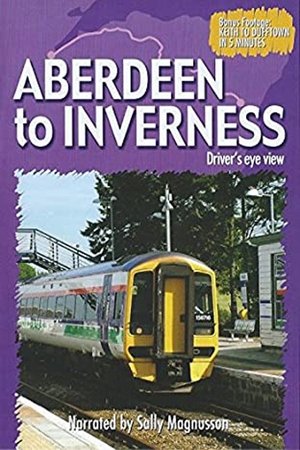
The railway between Aberdeen and Inverness was built by the Great North of Scotland Railway, the Inverness and Aberdeen Junction and the Inverness and Nairn, the former two companies meeting end on at Keith. Of the 50 stations that have come and gone over the years, ten remain open. In little over a hundred miles we encounter 16 existing, or former, rail junctions - on average one every seven miles - a remarkable testament to the commercial rivalry and duplicity of lines between the Highland and GNSR companies in the latter half of the 19th Century. Today the route is operated by First Scotrail class 158 "Express Sprinters". The route is mostly of single line and features tokenless block and electric key token sections controlled from manual signal boxes with semaphore signals. This scenic route was filmed in sunny or good weather from the cab, from the trackside and from the air. Much of the fascinating history is to be found in the narration, expertly delivered by Sally Magnusson.
La saga du rail
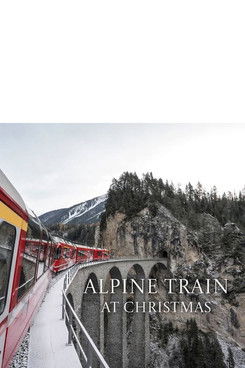
Climb aboard the illustrious Bernina Express for a festive ride through spectacular Alpine landscapes, taking in snow-covered peaks, architectural wonders, and majestic glaciers.