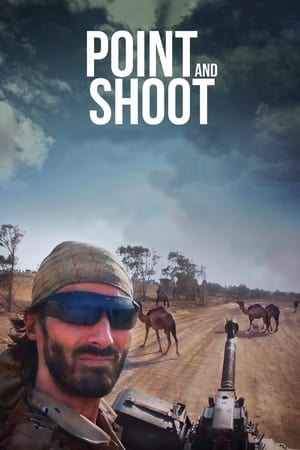
At first glance, Matthew VanDyke—a shy Baltimore native with a sheltered upbringing and a tormenting OCD diagnosis—is the last person you’d imagine on the front lines of the 2011 Libyan revolution. But after finishing grad school and escaping the U.S. for "a crash course in manhood," a winding path leads him just there. Motorcycling across North Africa and the Middle East and spending time as an embedded journalist in Iraq, Matthew lands in Libya, forming an unexpected kinship with a group of young men who transform his life. Matthew joins his friends in the rebel army against Gaddafi, taking up arms (and a camera). Along the way, he is captured and held in solitary confinement for six terrifying months.
Benito Mussolini: Anatomy of a Dictator
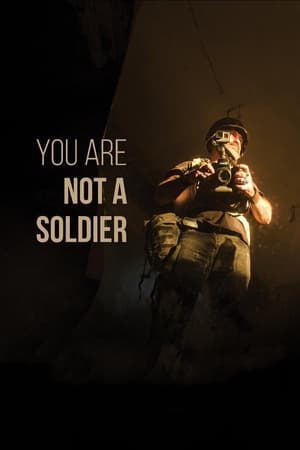
As filmmaker Maria Carolina Telles comes to terms with the death of her father, a man who regretted never making it to the frontlines of World War II, she focuses her lens on the life of another man who had his own unique experience as a civilian in the midst of combat: award-winning war photographer André Liohn.
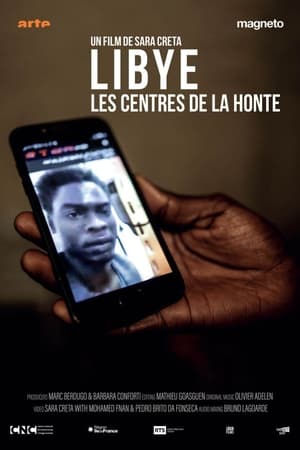
Libya: No Escape from Hell
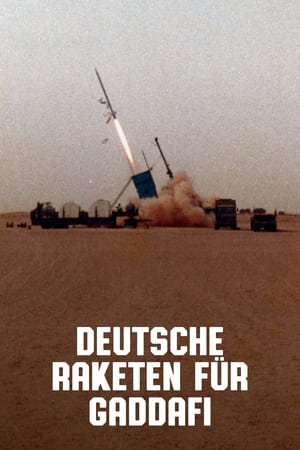
Deutsche Raketen für Gaddafi
BEAUTY WILL SAVE THE WORLD charts the journey of 19 year old Tecca Zendik, a contestant in the Miss Net World contest, Libya's first every beauty competition. Colonel Muammar Qaddafi hosts this competition and the film includes extraordinary footage of the Colonel. Tecca's story reveals an incredible conclusion no-one could have guessed when private jests transported the beauties to the country feared by the West in the 1980's.
Route 4
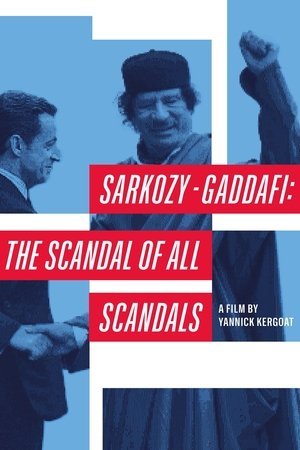
A democracy and a dictatorship. A presidential campaign and dirty money. War and death. When Nicolas Sarkozy affirmed in the press that “No one can make sense of it”, he was trying to discredit the investigation into his ties with Muammar Gaddafi, portraying it as a bunch of gibberish. As Sarkozy and his many accomplices go on trial in the Libyan campaign financing affair, here’s the film that will finally explain all of the ins and outs of one of the most remarkable French political scandals in decades.
The parallel stories of four Pakistani immigrants in Greece become the trigger for the director to explore the story of his father, a worker in the Perama Shipyard. The background unfolds a most deadly shipwreck, Libyan immigrants found in limbo, as well as a (possibly racist) crime, which was committed during the shooting of this film.
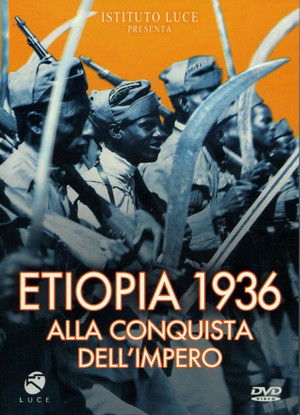
By means of a chronological arrangement of historical video material from the Istituto Luce archives, it tells the story of Fascist Italy's ambitions in Africa and the role they played in shaping fascist ideology and the stance of the fascist regime in the Western world at the height of the age of colonialism and aggressive European expansionism.
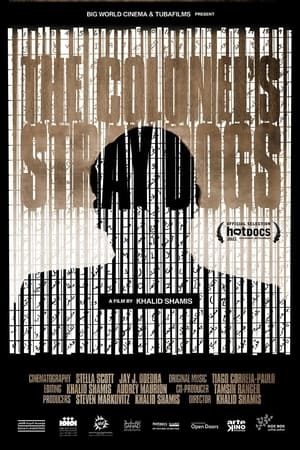
In 1981, seven Libyan exiles formed the core opposition group to Colonel Muammar Gaddafi. Thirty years later, they are back to their country only to inherit the mess he left. The film is an intricate blend of rare first-hand accounts, propaganda archival material turned on its head, evocative cinematography and an untold history of a country.
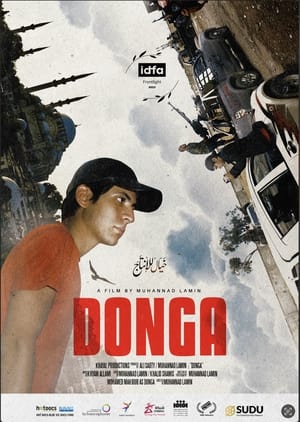
“There was excitement in the air,” says Donga, now in his late twenties, describing his feelings when the uprising against Muammar Gaddafi’s rule broke out in 2011. He was 19, living in Misrata, and boldly went to film the fighting with a friend. A decade later, in a hotel in Istanbul, where he has been living since he was wounded in battle, he looks back on the past ten years through excerpts from his videos. And he reflects on how that period has affected him.
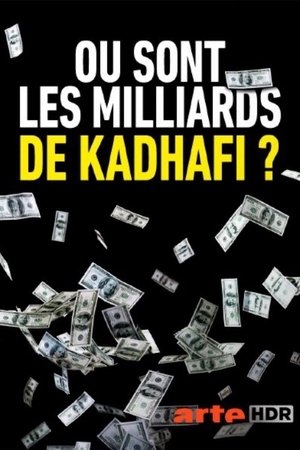
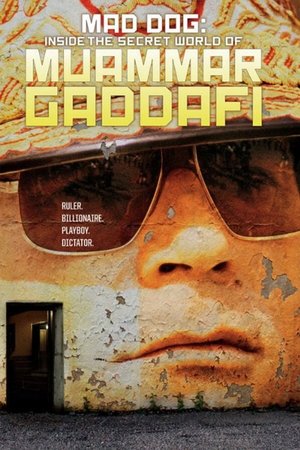
In life, the Libyan leader ruled with an iron fist for 42 years and treated Libya's wealth as his own. He died the richest man on the planet with a fortune of $150 billion. A dictatorial leader in life, the spell of Gaddafi's money remained in place after his death, triggering a ruthless race to find his missing billions. Two journalists pick up the trail of a mysterious $12.5 billion in cash, flown out of Libya in the dead of night just months before Gaddafi's demise.
Haja Fatma, a mother to eight children, tells the tale of family life in Tripoli during the Libyan Revolution. Women, young and old, all contributed during these hostile months in their own unique way. A human portal into the acts of ordinary people in their hope for freedom.
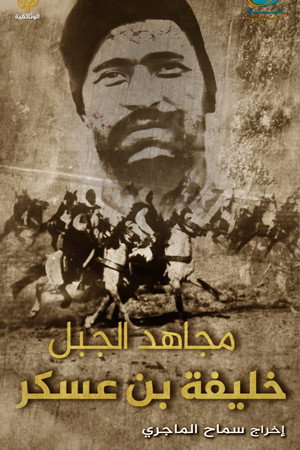
A historical documentary capturing the epic struggle of the heroic Libyan Mujahid, "Khalifa Bin Askar," who led the armed resistance against the Italian occupation in Libya's Western Mountains. The film sheds light on the prominent strategic battles he commanded against the Italian invasion, while also highlighting a significant pan-Arab dimension: his unity with Tunisian resistance fighters in numerous battles against French colonialism in Tunisia. The documentary culminates in a dramatic conclusion, exploring the treacherous deception that led to Bin Askar’s capture by the Italians, leading up to his execution and martyrdom.
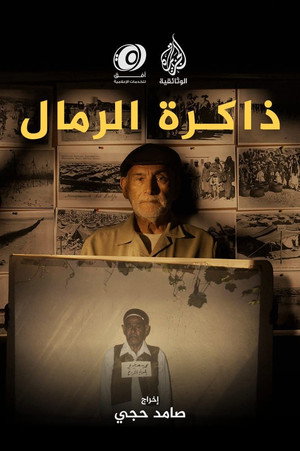
"Memory of the Sands" is a historical documentary that sheds light on a forgotten period of Arab history: the brutal genocide inflicted upon the Libyan people by the Italian Fascist forces between 1929 and 1934.The film documents the horrific atrocities committed under the "scorched-earth" policy led by General Rodolfo Graziani, which aimed to crush the Libyan resistance. It explores the establishment of notorious desert concentration camps that held tens of thousands of innocent civilians—including women, children, and the elderly—resulting in mass starvation and deadly disease. Through rare historical archives and moving testimonies from the last remaining survivors, the documentary serves as a vital historical record, reviving the memory of a dark, overlooked chapter of colonial history.
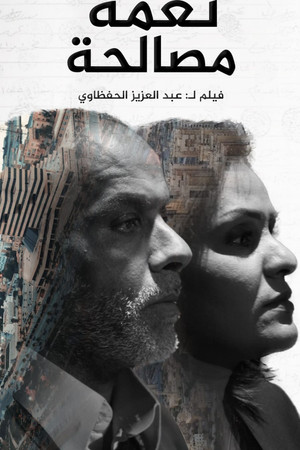
A touching cultural documentary following poet "Ahmed Al-Obeidi" from the East and composer "Hanan Al-Rowaiei" from the West, as they unite to recall the history of Libyan social reconciliations during times of conflict. Together, they revive and craft an epic theatrical and poetic masterpiece centered around Libya's most famous historical peace accord, the "Harabi Covenant," using art and music to echo messages of peace, social harmony, and national unity.
Kadhafi, la folie d'un dictateur
Featuring real interviews and archive footage, this documentary gives an overview of Gaddafi's tyrannical reign over Libya from his early life until his death in 2011.
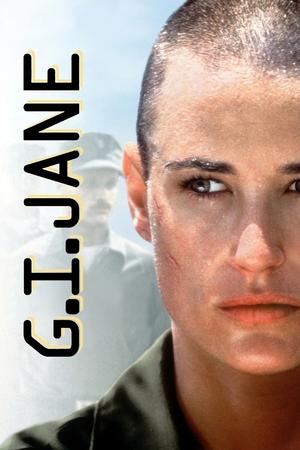
In response to political pressure from Senator Lillian DeHaven, the U.S. Navy begins a program that would allow for the eventual integration of women into its combat services. The program begins with a single trial candidate, Lieutenant Jordan O'Neil, who is chosen specifically for her femininity. O'Neil enters the grueling Navy SEAL training program under the command of Master Chief John James Urgayle, who unfairly pushes O'Neil until her determination wins his respect.