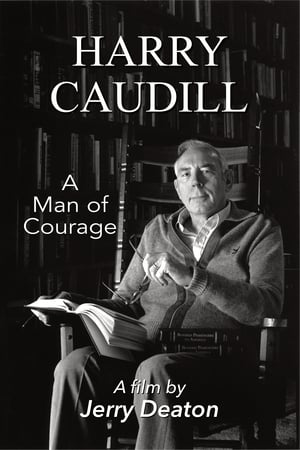
One of the most important Kentuckians of the 20th century, Harry Caudill brought the story of Appalachia to national attention when his book “Night Comes to the Cumberlands” was released in 1963. The nonfiction account of Eastern Kentucky’s coal region, part history and part polemic, eloquently recounted the exploitation of Appalachia’s land and its people by business and government interests, and made Caudill a national spokesperson for his homeland. Harry Caudill spent his life advocating for Eastern Kentucky, with the aim of helping the powerless as well as securing the region’s unmatched natural resources for future generations. His work led to lasting government reforms for Appalachia, and his legacy remains a touchstone for activists today.
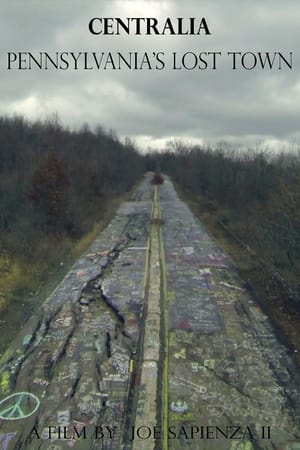
A small town is overcome by a massive underground coal fire in 1962. As a result hundreds of residents had to be relocated.
On the 5th of March 1985, a crowd gathered in a South Yorkshire pit village to watch a sight none of them had seen in a year. The villagers, many of them in tears, cheered and clapped as the men of Grimethorpe Colliery marched back to work accompanied by the village’s world-famous brass band. The miners and their families had endured months of hardship. It had all been for nothing. The miners had lost the strike called on March 6th 1984. They would lose a lot more in the years to come. But was it a good thing for the country that the miners lost their last battle?
Time-travel to a 1940s classroom with this exemplary educational film.
This film takes us into the harsh realm of BC's early coal mines, canneries, and lumber camps; where primitve conditions and speed-ups often cost lives. Then, the film moves through the unemployed' struggles of the '30s, post WWII equity campaigns, and into more recent public sector strikes over union rights.
Dobývání uhlí
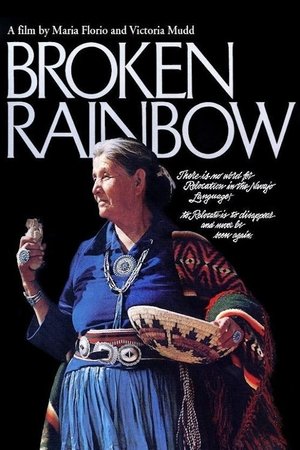
Documentary chronicling the government relocation of 10,000 Navajo Indians in Arizona.
Bitva pod zemí
La Catastrophe de Liévin
For centuries, freeminers have held the right to mine coal anywhere within the Forest of Dean. To become a freeminer, one must be over 21, born within the hundred of St Briavels, and have worked underground for a year and a day. Today, Forestry England administers the mining tradition, with only a few freeminers still venturing underground in search of the elusive ‘black gold,’ helping to keep this unique heritage alive. This short documentary offers a rare glimpse into the lives of those most connected to this fascinating practice. Through their eyes, we explore the dark depths beneath the ancient forest floor and uncover an enduring way of life.
In July of 2019 the Blackjewel coal company announced it was declaring bankruptcy. Miners were told to stop working mid shift, and their last paychecks bounced. The miners retaliated by blocking a train full of coal, camping out on the coal tracks for weeks. Queer regional organizers made their way to the encampment to support the miners. The encampment became a place for community gathering and mutual aid distribution. Sarah Moyer, a film maker living in Kentucky, also made their way to the encampment and filmed this short documentary on the blockade. (Summary from Queer Appalachia)
A story of struggle and tragedy, the film features harrowing underground disasters, heroic rescues and traces a history of strikes, industrial turmoil and the current push by global mining giants to destroy regional communities and replace local mineworkers with a subservient itinerant workforce.
“…It is a film that tells in hurried film sequences and a resonant musical score juxtaposing the sublime, funereal despair of Bartok agains tthe gut-bare tones of folk music. Gates has through his filming technique and meticulously selected mining sites, captured all the outrage and sorrow and indignity to the land and its people that strip mining represents. The film is one that all Americans should see, for it shows extremely well the price we have to pay for strip mined coal.” - Dale A. Burk, The Montana “Missoulian”
Documentary marking the 30th anniversary of the 1984 miners' strike, one of the bitterest industrial disputes in British history, with stories from both sides of the conflict.
The village of Tamaquito lies deep in the forests of Colombia. Here, nature provides the people with everything they need. But the Wayúu community's way of life is being destroyed by the vast and rapidly growing El Cerrejón coal mine. Determined to save his community from forced resettlement, the leader Jairo Fuentes negotiates with the mine's operators, which soon becomes a fight to survive.
This film demonstrates how labor law has crippled the collective bargaining power of unions and weighed the scales of justice against working people. The documentary follows the 1988 United Mine Workers strike against the Pittston Coal Company that followed the expiration of their contract and Pittston's termination of the medical benefits of 1,500 pensioners, widows, and disabled miners.
The majestic rebirth of Manchester's Bradford Colliery and other stories.
The largest leisure and shopping complex in Europe, the Metro Centre in Tynemouth, and its creator John Hall.
What happens to two dying coal towns in British Columbia when an American corporation provides a contract for millions of tons of coking coal? The film follows the consequences for the towns of Natal and Michel, suggesting that industrial growth has its price, especially with regard to the environment.
Black dust, shrill metallic noises, dark tunnels, muscular bodies – all that is the past. At the end of 2018, extraction of coal throughout Germany came to an end. That same year, the voices of the emerging climate protest movement Fridays for Future grew louder. Against the backdrop of these media and socio-political events, the film follows five miners on their tragic, humorous and heartwarming search for a new role in life.