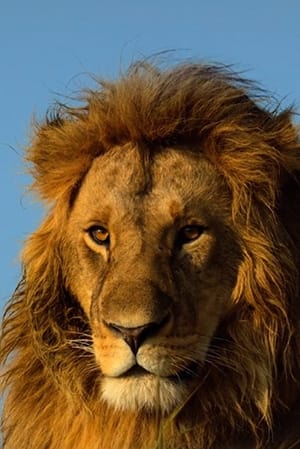
Serengeti, one of the last great biodiversity oases on the planet. A place where nature still reigns supreme. But how long will this idyllic image last?
Staatsgewalt in Georgien - Wenn Wasser zur Waffe wird
Drei von Sinnen
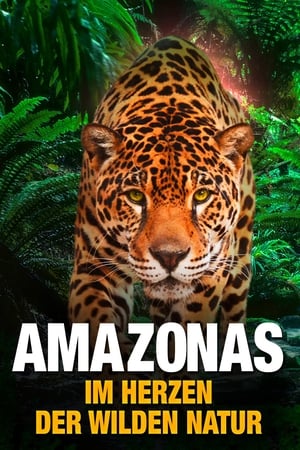
AMAZON 3D
Presents an inductive experience in reading readiness. Shows a young boy as he interprets the meanings of various road signs during a long automobile trip.
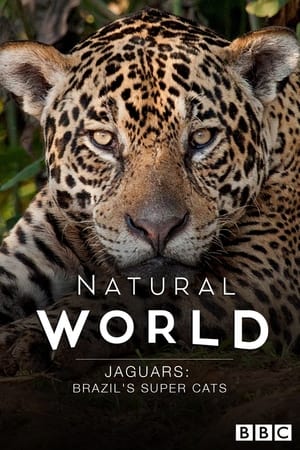
Jaguars: Brazil's Super Cats
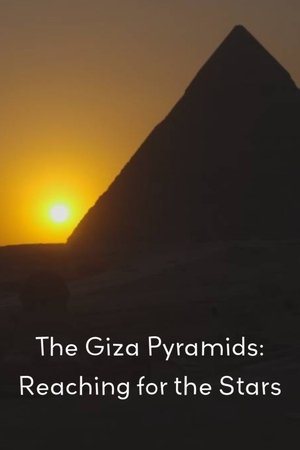
Explores the Pyramids of Giza as Egyptologists try to unravel the mysteries and decipher the clues behind these stone giants built over 4,500 years ago.
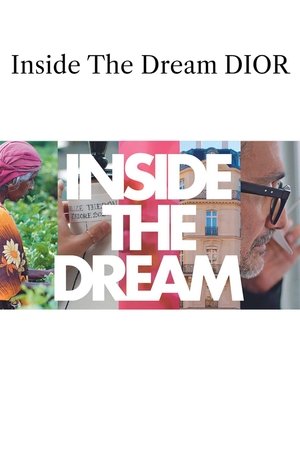
Unraveling the mystery of perfume creation, the House of Dior is opening its doors. Over the course of a year, we followed new perfumer Francis Kurkdjian in one of his greatest challenges: reinventing the iconic "J'adore". A unique sensory journey, from conception to launch, into a secret world of passionate artisans.
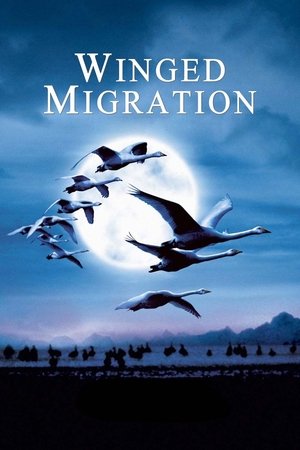
This documentary follows various migratory bird species on their long journeys from their summer homes to the equator and back, covering thousands of miles and navigating by the stars. These arduous treks are crucial for survival, seeking hospitable climates and food sources. Birds face numerous challenges, including crossing oceans and evading predators, illness, and injury. Although migrations are undertaken as a community, birds disperse into family units once they reach their destinations, and every continent is affected by these migrations, hosting migratory bird species at least part of the year.
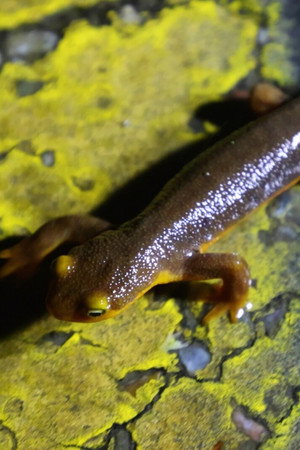
Roads are a major cause of habitat fragmentation for many animals and are a severe threat to many species. This story is about the newts of Chileno Valley in Petaluma, California and the group of people trying to help them survive their yearly migration to Laguna Lake.
In the northern reaches of Manitoba, resting on the edge of Canada’s Hudson Bay, sits the small town of Churchill. Home to fewer than 1000 year-round residents, Churchill is a remarkable place: it plays host to an annual beluga whale migration, is visited by the Northern Lights over 300 times per year, and sits in a pristine tundra that truly embodies the term “wilderness”. Churchill’s most famous visitor, however, is the mighty Polar Bear. Every year, hundreds of bears gather on the shoreline surrounding Churchill, awaiting the sea ice that forms on Hudson Bay during winter. Once it forms, they’ll use it as a platform from which to hunt seals, but until then, they wait on the coast, creating a fascinating, and potentially dangerous, interaction between the residents of Churchill and the world’s largest land carnivore.
The life cycle of the tundra wolf is a complex and balanced relationship with other animals that inhabit the tundra region. Preying on the caribou, the wolf kills just enough for the pack to survive.
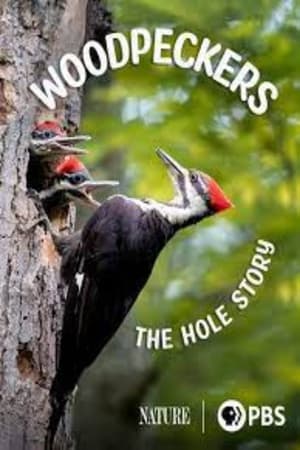
Go deep into the woods to explore the lives of a unique avian family. Woodpeckers come in 239 species and live on every continent except Antarctica and Australia, playing a powerful role in every ecosystem they inhabit. They come in all shapes and sizes, each uniquely engineered for their particular lifestyles.
"...a charming depiction of life as I knew it with my grandparents in my own village..." Clara Caleo Green, Cinema Italia UK "The sum of the individual fates and life choices paints a picture, the validity of which extends far beyond this village." Joachim Manzin, Black Box This documentary records the thoughtful and emotional confrontation with time, change, loss and hope related by the members of a small community in the idyllic Ligurian countryside who are dealing with a rapidly changing agricultural industry, transformed by globalisation and technological advances and an increasing number of foreigners buying the empty houses in their village. Forgoing the use of music and voice over, the film lets Aracà's inhabitants tell their own stories and allows the audience to dive into the rich soundscape of the ligurian alpine countryside.
16-year-old Bella and Vipulan are part of a generation convinced its very future is in danger. Between climate change and the 6th mass extinction of wildlife, their world could well be inhabitable 50 years from now. They have sounded the alarm over and over, but nothing has really changed. So they’ve decided to tackle the root of the problem: our relationship with the living world. Over the course of an extraordinary journey, they come to realize just how deeply humans are tied to all other living species. And that by saving them… we’re also saving ourselves. Humans thought they could distance themselves from nature, but humans are part and parcel of nature. For man is, after all, an Animal.
High up on the Tibetan plateau. Amongst unexplored and inaccessible valleys lies one of the last sanctuaries of the wild world, where rare and undiscovered fauna lives. Vincent Munier, one of the world’s most renowned wildlife photographers takes the adventurer and novelist Sylvain Tesson (In the Forest of Siberia) with him on his latest mission. For several weeks, they’ll explore these valleys searching for unique animals and try to spot the snow leopard, one of the rarest and most difficult big cats to approach.
In a quiet forest, a sign warns of radiation hazard. “Is this the past or the future?” muses the masked figure who appears like a kind of ghost in nuclear disaster areas. At a time when nuclear power may be re-emerging as an alternative to fossil fuels, this calmly observed and compelling tour takes us to places that may serve as a warning.
Every year, on the steppes of the Serengeti, the most spectacular migration of animals on our planet: Around two million wildebeest, Burchell's zebra and Thomson's gazelles begin their tour of nearly 2,000 miles across the almost treeless savannah. For the first time, a documentary captures stunning footage in the midst of this demanding journey. The documentary starts at the beginning of the year, when more than two million animals gather in the shadow of the volcanoes on the southern edge of the Serengeti in order to birth their offspring. In just two weeks, the animal herd's population has increased by one third, and after only two days, the calves can already run as fast as the adults The young wildebeest in this phase of their life are the most vulnerable to attacks by lions, cheetahs, leopards or hyenas. The film then follows the survivors of these attacks through the next three months on their incredible journey, a trip so long that 200,000 wildebeest will not reach the end.
Povo da Floresta
A Hyena like No Other