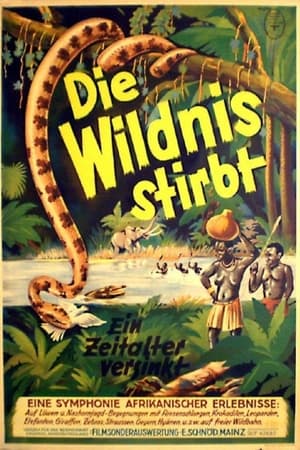
The island of New Guinea is the setting for this film, which focuses on the landscape, the life of the Papuans and their ritual festivals and spirit dances. The colorful birds of paradise are the pride of the islanders. Among the more than 40 species, the smallest, the "Little King" with blood-red plumage, can also be found on the island.
In this fascinating program, learn about one of the most feared and respected members of the animal kingdom – Bears! See a side of these magnificent animals that few rarely see – a bear ripping apart a log; cubs playfully exploring the treetops; a grizzly bear tracking his prey. From the Black Bears of the Great Smoky Mountains, Sequoia and Yosemite, to the Grizzlies of Yellowstone and Glacier, America’s national parks contain the last safe havens of bear habitat in the lower 48 states. Bear expert Gary Brown tells of fascinating bear facts and explains the challenges facing both bear and man to co-exist.
Great herds of Asian elephants once roamed from Baghdad to Beijing. Now only remnants of these once mighty herds survive, protected today by the Indian government. It is here that filmmaker Naresh Bedi turns his camera, capturing an intimate portrait of thee largest of land mammals. An adult elephant eats 300 pounds of green fodder and drinks 40 gallons of water a day. This film follows these gentle giants as they forage and feed, wallow in watering holes, dust their skin with dirt, and care for their young.
The mountainous desert of Ladakh is one of the most desolate places on our planet. Here freezing winds sweep down from the Himalayas and shape the life of its inhabitants.
A documentary on the rare crocodilian, The Gharial.
Water Birds is a 1952 short documentary film directed by Ben Sharpsteen. The film delves into the still waters of lagoons and marshes to the wild blue wilderness of the vast oceans, to experience the beauty and variety of their majestic birds, each perfectly designed for its habitat. It won the Oscar for Best Short Subject, Two-Reel.
A captivating documentary following a young polar bear venturing on his first solo journey across the Canadian Arctic during the summer thaw. As the ice disappears, he must adapt to a challenging landscape without the one thing polar bears depend on most: sea ice. With stunning cinematography and heartfelt narration, this film offers a rare glimpse into the resilience and struggle of polar bears facing a rapidly changing climate.
Amphibians are living fossils in a modern world. The various species of frogs, toads, and salamanders are more diverse than you could ever imagine. Whether dodging danger, raising their young, or wearing a disguise, amphibians never cease to amaze. So, hop along to your local pond, dive in, and explore the fascinating world of the frogs and their cousins.
On Porky Pig's farm, a goose lays a golden egg and says that Daffy Duck laid it. Daffy, now the most sought-after duck in the world, is quite willing to take the credit and resultant fame- until Rocky the gangster kidnaps Daffy and orders him at gunpoint to lay more.
A Polar Bear tries to teach her two cubs about life in the Arctic and the new challenges they face due to the interference of man. The Great Polar Adventure takes audiences inside the secret life of polar bears and imagines life from their perspective. Ikuk, a new polar bear mother, faces tremendous challenges as she raises cubs for the first time. With the rise of global warming, she must lead her family into dangerous "two-leg" territory to scavenge for food.
In a dark, ambiguous environment, minuscule particles drift slowly before the lens. The image focuses to reveal spruce trees and tall pines, while Innu voices tell us the story of this territory, this flooded forest. Muffled percussive sounds gradually become louder, suggesting the presence of a hydroelectric dam. The submerged trees gradually transform into firebrands as whispers bring back the stories of this forest.
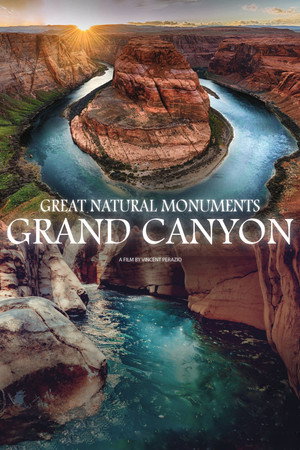
“A silent perusal of the Grand Canyon, morning to night, from a single, fixed camera position, by means of constant dissolves spaced a few seconds apart. Man — entirely absent — is no longer the center of the universe; the canyon exists outside of him. Despite the invisible photographer and his technologically-caused dissolves, this is a creditable approximation of the true foreign-ness of nature.” — Amos Vogel, Film as a Subversive Art (1974)
For wildlife filmmakers, the only way to safely explore the startling African lion is at the end of a mighty long lens — until now. Man v. Lion follows veteran big cat expert Boone Smith across the Nambiti Game Reserve as he tracks three male lions in the open African bush. But to truly understand these brothers, Boone goes face to face with them. We take an in-depth look at the lions' unique physical attributes, intricate hierarchy, and complex hunting strategies. Boone explores each stage of a lion's kill leading up to the final face-off: Boone in the middle of lions devouring their prey.
Heat waves are massively decimating coral. But some of them are resisting. To avoid an ecological disaster, researchers want to encourage the emergence of these survivors. A captivating scientific odyssey.
This short live-action film tells the story of a little raccoon who encounters many adventures when he strays from home to explore the world.
It takes two or three generations for the monarch butterfly to reach the Canadian breeding grounds, but it is one "supergeneration" that makes the 2,000 mile return trip back south into central Mexico. The documentary film covers Dr Fred Urquhart's interest in monarch butterflies, with perspectives of Urquhart as a child wondering where the butterflies went, his years of research and study into their life and migration, to his time decades-later as a senior scientist looking back at his investigations and discoveries about the insect's life pattern.
Salome gets a summer job in a junkyard somewhere in the country side. Under a western sun, in this place out of the world, her teenage rebellion springs up. From unexpected encounters to shared sorrows, arise promises of a new life.
David Attenborough sets out on an intrepid quest across seven continents to create a unique television event to celebrate the wealth of natural features that makes Planet Earth so varied, so distinctive and so spectacularly beautiful.
Bat City USA delves into Austin's complicated relationship with a colony of Mexican free-tailed bats under the downtown Congress Avenue Bridge. Each year, thousands of people get a fascinating, close-up glimpse of the world's largest urban bat colony amid the colorful downtown Austin, Texas setting. The film reveals how the bats moved into the bridge and survived eradication plans by hostile residents. Viewers discover how the bats eventually became a beloved part of what makes Austin unique and weird, mainly through the efforts of Merlin Tuttle, founder of Bat Conservation International, who convinced residents of the benefits of the bats.
Too hot! The spawning fish do not come at the right time and the pepper plants end up dying in this heat. "This is a very different weather that not even the spirits can understand." From their gardens, homes, and backyards, the indigenous women of the Amazon involve us in their vast universe of knowledge while they observe the impacts of climate change in their ways of life.