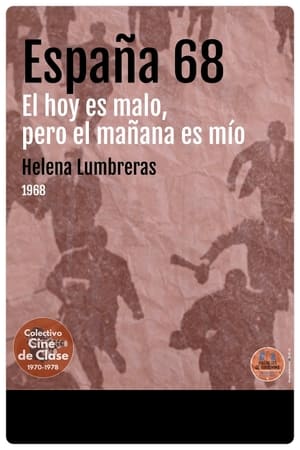
Spain, 1968. An analysis of the political and social situation of the country, suffocated by the boot of General Franco's tyrannical regime. (Filmed clandestinely in Madrid and Barcelona during the spring of 1968.)
Tourists eating and taking photos. Tourists strolling and taking photos. Tourists bathing on the beach and taking more photos. Barcelona has become an overexploited photocall to the point of paroxysm, and this is what this film shows by turning the camera and pointing towards the visitors. A small gesture that, added to a powerful sound contrast and a caustic sense of humour, exposes without subterfuge a grotesque normality.
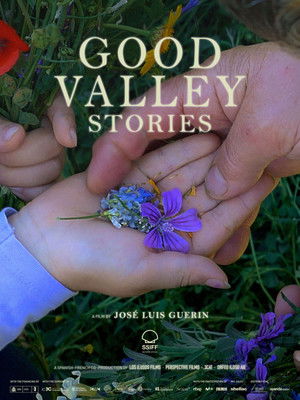
In a peripheral neighbourhood, where the rural and urban worlds meet, the houses of the first migrants who arrived after the post-war period coexist with the new blocks of the dormitory city, where the latest wave of migration is concentrated. This humble corner is now an authentic global village. Good Valley Stories is a sum of constructs, of social, generational and identity, urban and ecological conflicts, but it is also a calm and humanistic look at today’s world.
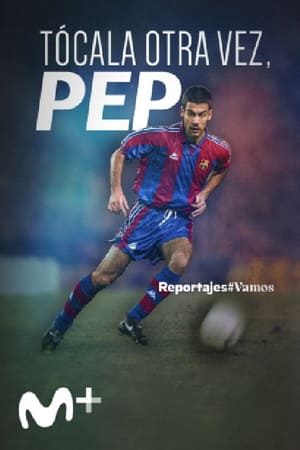
Tócala Otra Vez, Pep
Explores the team’s surprise silver medal win in their Olympic debut as an independent nation, challenging the legendary U.S. “Dream Team” in the gold medal game. This came amid the country’s early ’90s war of independence.
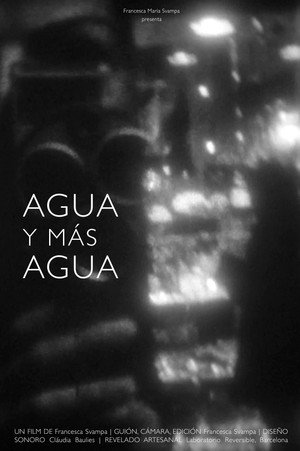
Francesca Svampa’s dreamlike portrait of Barcelona, shot in double exposure on reversible 8mm film, is interwoven with Svampa’s intimate, reminiscent telling of her personal micro-memories, as a woman, filmmaker, and immigrant.
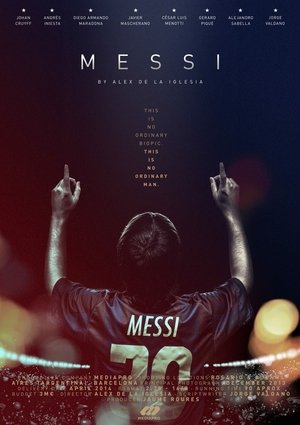
His teachers, coaches, childhood friends and Barça teammates, together with journalists, writers and prominent figures from the history of football, come together in a restaurant to analyze and pick apart Messi's personality both on and off the field, and to look back at some of the most significant moments in his life. Viewed from Álex de la Iglesia's unique perspective, Messi recreates the player's childhood and teenage years, from his very first steps, with a football always at his feet, through to the decision to leave Rosario for Barcelona, the separation from his family, and the role played in his career by individuals such as Ronaldinho, Rijkaard, Rexach and Guardiola.
Maria, the last member of a good provincial family of long tradition, wants to live the atmosphere of these musical groups that proliferate all over the world. He meets Ricardo, a former partner in the advertising world, who has self-marginalized because he got to the point where he felt disgusted by this false world. Maria tries to leave him, but has just integrated into this chaotic environment.
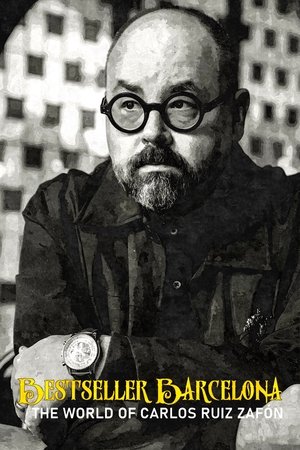
A journey through the fantastic and mysterious Barcelona that the Spanish writer Carlos Ruiz Zafón (1964-2020) loved so much, the city of myth and legend, the city that was before it became one of the main European tourist destinations.
Omar lived in a very small village in Africa. He arrived in Barcelona in the winter. He would like to learn languages and study, but there are no vacancies in the courses. He would like to work, but he has to wait until he has papers. He would like to get to know the city, find people who trust him, and not feel so alone. He misses his village, his family, and especially his mother. They talk often on the phone, but Omar can't express how difficult everything is here.
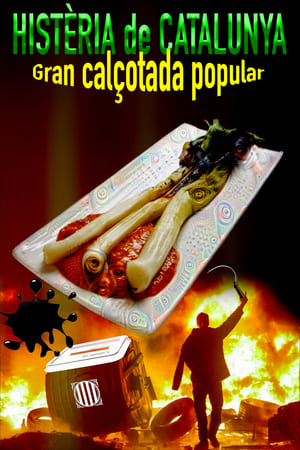
A punk documentary which is, at the same time, a history of Catalonia, an analysis of its political situation in 2017, a comic lamentation on the milestones of the Procés —the broken, unsuccessful path started October 1st which eventually should've ended with a true declaration of independence from Spain—, and a chaotic festival of references to pop culture, from Dumbo to Salvador Dalí.
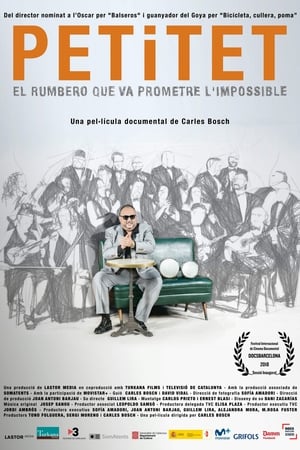
Joan Ximénez el Petitet is a Catalan gypsy who pursues a dream. A former musician now —a percussionist, son of Ramón el Huesos who worked with the mythical singer Peret—, and affected by a rare chronic disease, he wants to accomplish the promise he made to his mother before she died: to celebrate a rumba concert on the stage of the Liceu, a great theater in Barcelona, along with a big symphony orchestra.
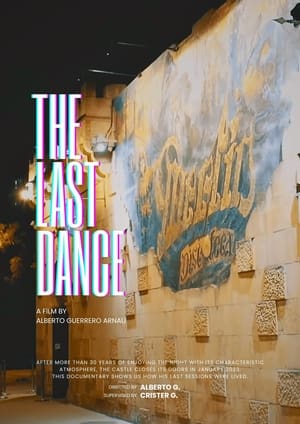
Merlin nightclub opened in 1992 in Barcelona and its medieval appearance did not leave anyone indifferent from the first day. After more than 30 years of enjoying the night with its characteristic atmosphere and varied musical selection, the castle was forced to close its doors in January 2023 despite filling the room every weekend. This video immortalizes the place through its regular customers and staff.
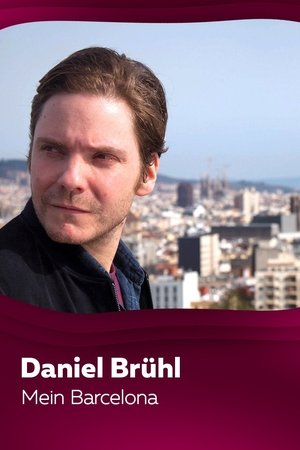
Daniel Brühl - Mein Barcelona
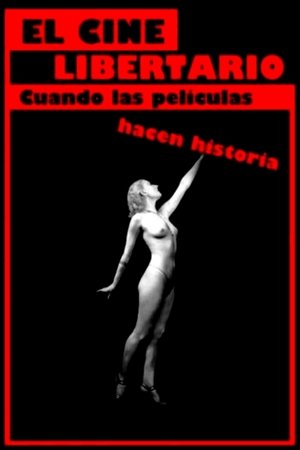
Upon the outbreak of the Spanish Civil War in July 1936, the anarchist union CNT socialized the film industry in Spain, so in Madrid and Barcelona film workers took over the production assets and, between 1936 and 1938, numerous films on a wide variety of topics were released, composing a varied mosaic that gives rise to one of the most unusual and original moments of Spanish cinematography.
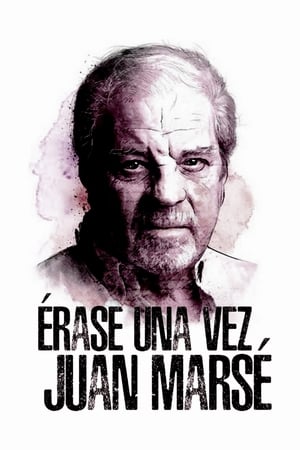
On the occasion of awarding the Cervantes Prize to the Catalan writer Juan Marsé on 23 April 2009, family members, friends and writers offer a sincere portrait of the best chronicler of life in Barcelona, Catalonia, during the post-war period and the worst days of the General Franco dictatorship, in the forties and fifties, and during the economic development and the hard conquest of freedom, in the sixties and seventies.
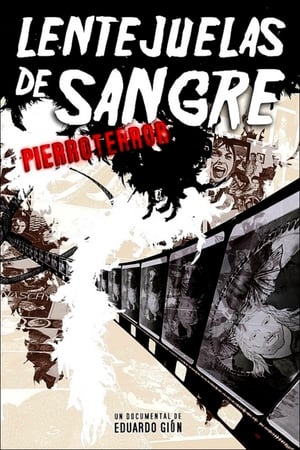
Antonio Gracia José (1942-2011), known as “Pierrot,” was a prominent member of the Barcelona art scene, a pioneer in the filmmaking of underground short films and Fantaterror movies, writer and playwright, magazine editor, movie poster painter, cartoonist and cabaret showman.
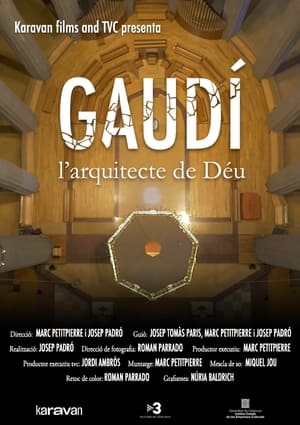
“Gaudí, l’arquitecte de Déu” is a story of faith, of overcoming, about five lay that decided to create an assossiation to demonstrate that Gaudí deserves one of most valuable titles of the Church: beatification. The Pro-Beatification Association of Antoni Gaudí has been working more than 25 years to manage to beatify the architect of Reus, picking up all witnesses and proofs that demonstrate that Gaudi lived like a beatus and, the most difficult part, wiaiting for a miracle to happen attributed do Gaudí himself, an essential condition for his beatification. The documentary will follow this case, showing Gaudi’s life and work from a new outlook, more intimate and linked to spirituality and beliefs of the architect.
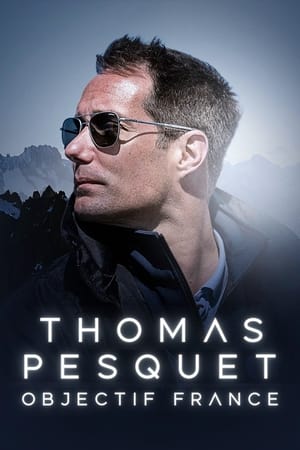
Thomas Pesquet : Objectif France
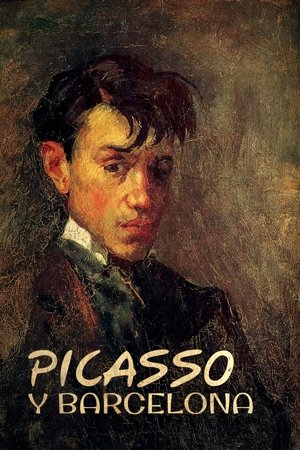
Pablo Ruiz Picasso (1881-1973) visited Barcelona for the first time at the age of 13. It was in Barcelona where he had his first studio, where he made his first engraving, his first illustration and his first exhibition. For Picasso, Barcelona would always be the city that dazzled him as a teenager. There all began.