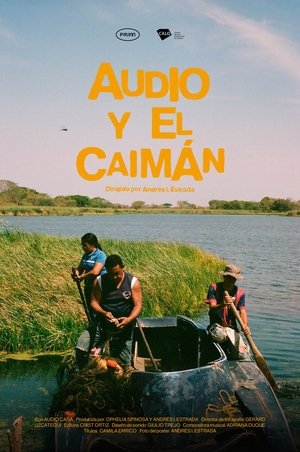
Audio Caña, an old farmer in rural Venezuela, believes there is a giant alligator living in his pond. With his family's help, he's determined to prove its existence to his friends who are often dissuaded by his exaggerated stories.
The artist Johanna Faust is about to leave her children to finally devote herself to her art again. A vague memory comes to her mind: Didn't her grandmother do the same thing, with terrible consequences? The intimate road movie tells of lost mothers and abandoned children, of the temptations and the price of self-fulfilment, of the abysses of motherhood and of the deep longing for another life.
Amanda’s perspective on her hometown changes drastically when she discovers that the simplicity and memories in Neves have shaped her true home.
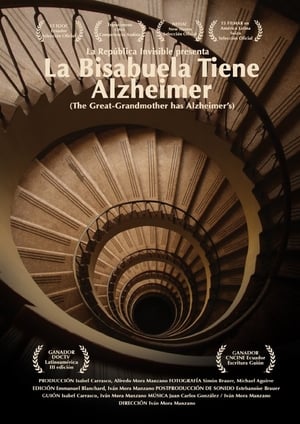
A meeting between the daughter and the grandmother of the director, Iván Mora Manzano, at a time when the memories of one, the girl’s, were taking shape, and the other’s the grandmother’s, were vanishing. This starting point is used as a pretext to talk about other topics such as the importance of family memories and the search for memory.
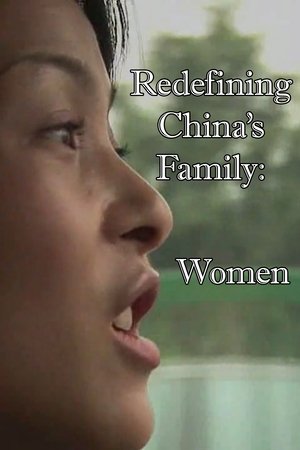
10 May 2007 - China's staggering economic growth has overshadowed a more subtle shift in Chinese society. In domestic life, many women are now ignore the advice of their mothers and grandmothers, turning instead to counselling hotlines and, increasingly, divorce.
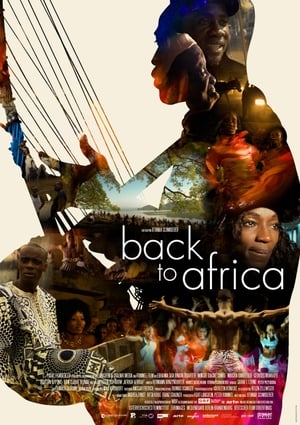
An Austrian director followed five successful African music and dance artists with his camera and followed their lives for a year. The artists, from villages in Ghana, Gambia and Congo, were the subjects of Africa! Africa! touring across Europe, but they have unbreakable roots to their homeland and their families. Schmiderer lovingly portrays his heroes, who tell their stories about themselves, their art and what it means to them to be African with captivating honesty. The interviews are interwoven with dance scenes and colourful vignettes set to authentic music.
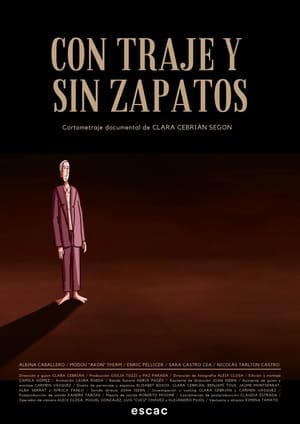
Con Traje y Sin Zapatos
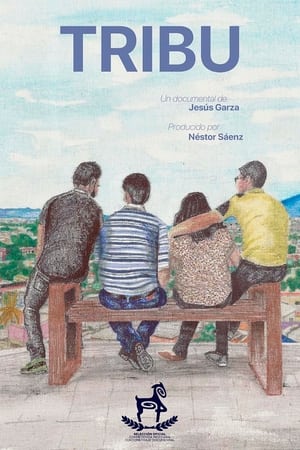
Ruben and Gio have been recently adopted by Evelyn and Memo. The four of them try to create a home where the past, the bad and good stories, and the dreams in common for the future blend all together.
Hotel de Memórias
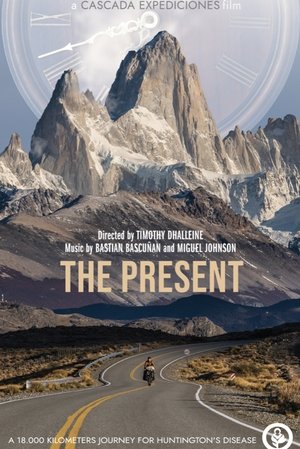
At 34, French traveler Dimitri Poffé tested positive for Huntington's disease, a rare, hereditary, incurable disorder that slowly erodes body and mind. His father died of it; his sister has fought its symptoms for over a decade. Genetic studies predicted Dimitri's own symptoms would begin between 35 and 40 — a countdown he could not stop. Rather than wait, he got on a bicycle. Alone, he rode 18,000 kilometers from Mexico City to Ushuaia, crossing deserts, jungles, mountains and endless plains, a route as unpredictable as the disease itself. What began as defiance became something larger: a story of resilience, solidarity and the strength to reclaim life on your own terms. More than a test of physical limits, The Present is a reminder that when the future is uncertain, the present is still ours to live — one pedal stroke at a time.
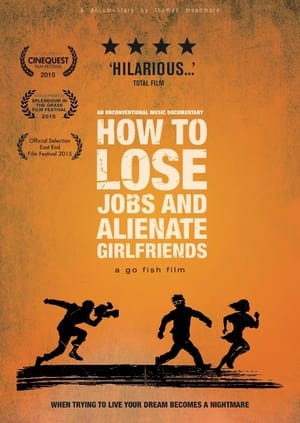
First time filmmaker follows his girlfriend and boss chase their dream as musicians. His insecurities flair while struggling to find a story, and begins challenging their flaws, on camera, jeopardizing the film, relationships and careers.
Between 1968 and 1970, J M Goodger, a lecturer at the University of Salford, made a film record of the living conditions in the slums of Ordsall, Salford, which were then in the process of being demolished. Under the title 'The Changing face of Salford', the film was in two parts: 'Life in the slums' and 'Bloody slums'.
The memories of a woman, condensed into four periods.
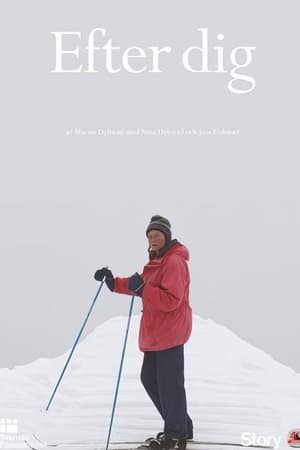
"My mother is spending all her time with her dying father. I’m spending all my time filming her. As the end is getting closer, my mother and I start doing the filming more and more together. It becomes our way of dealing with the time we have left." —Marius Dybwad Brandrud
Nine post war migrants are interviewed in their houses and explain their survival in World War 2, migration to Australia. Travel on ships. Arrival in Australia. Life in migrant camps. Assimilation into Australian society.
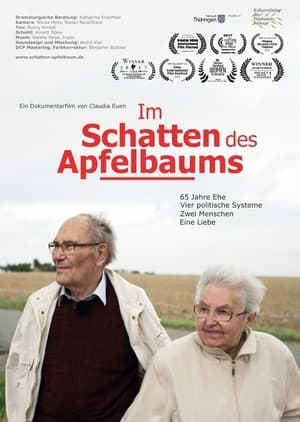
65 years of marriage, four systems, two people, one love: Ilse and Wolfgang Gutsche have gotten along well with each other their entire lives. And they would do it all again.
SauAcker depicts the obstacles faced by Philipp, a young farmer determined to modernize his father's old-fashioned farm. His motto is "I'll do it my way". Philipp is fully committed and is even risking his relationship to attain his goals. The documentary paints a funny and charming picture of the two wayward heroes and presents an entertaining angle on the realities of contemporary society.
O Que Nos Separa
A family gathering around what used to be an everyday activity.
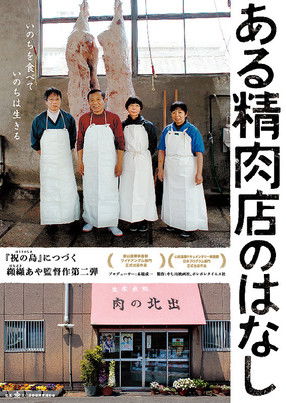
The Kitades run a butcher shop in Kaizuka City outside Osaka, raising and slaughtering cattle to sell the meat in their store. The seventh generation of their family's business, they are descendants of the buraku people, a social minority held over from the caste system abolished in the 19th century that is still subject to discrimination. As the Kitades are forced to make the difficult decision to shut down their slaughterhouse, the question posed by the film is whether doing this will also result in the deconstruction of the prejudices imposed on them. Though primarily documenting the process of their work with meticulous detail, Aya Hanabusa also touches on the Kitades' participation in the buraku liberation movement. Hanabusa's heartfelt portrait expands from the story of an old-fashioned family business competing with corporate supermarkets, toward a subtle and sophisticated critique of social exclusion and the persistence of ancient prejudices.