Behind the iconic Eiffel Tower lies the story of an incredible challenge to erect a thousand-foot tower that went far beyond a design competition, and marked a major turning point in engineering history. It was the beginning of radical transformation where iron was pitted against stone, engineering against architecture, and modern design against ancients. Press campaigns, lobbying, public conferences, denigration of opposing projects, bragging about big names - all participants engaged in a fierce battle without concession. Using 3D recreations, official sources (reports, letters, drawings...) and intimate archives obtained from their descendants, this film will bring to life this vertical race through a fresh and visual way to mark the centenary of Eiffel death.
After 10 years of tests and 12 billion Euros invested, the state-of-the-art Airbus jet completed its first commercial flight in January 2015. We will discover how it was conceived and built, and explore its technological innovations every step of the way.
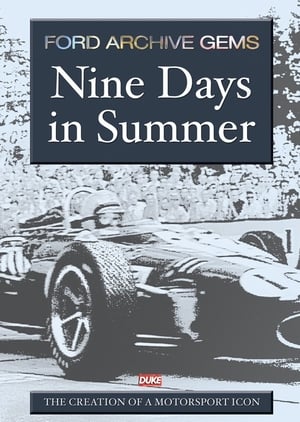
A promotional film for the Ford Company detailing the introduction of the Cosworth engine into Formula 1 in conjunction with Lotus.
An overview of the lobster fishing industry in Nova Scotia.
Whales beached after ingesting plastic, oceans soiled: a quarter of marine waste today comes from cans and plastic bottles. The drinks industry produces 470 billion single-use bottles each year, 25% of which come from Coca-Cola. Although the world's largest soft drink producer has set ambitious targets to prevent this environmental pollution, it has often failed to do so. In the 1950s, the company sold its drink exclusively in returnable glass bottles, which it washed and refilled. Two decades later, these were replaced by disposable bottles - a decision whose devastating effects still linger.
Lee Anne Schmitt explores California's landscape and past to document the history of one-time boom towns built and abandoned by the industries that necessitated their creation. Sold as a limitless land expansive with free opportunity, California was actually, from its onset, fissured by the interwoven needs of private and public interests. Schmitt's film covers various locations through time, as the major industries of the early 20th century (mining, lumber, oil) give way to the military, eventually leading to multinational corporations, and the use of small towns as satellites for growing urban metropolises.
The video is accompanied by a richly detailed article that adds more depth to the documentary. If there’s any question about why Hollywood is dead set against the unionization of vfx artists, the following graphic from the article will answer the question: vfx artists comprise the biggest portion of the crew on most Hollywood blockbusters.
Explore the 1928 collapse of the St. Francis Dam, the second deadliest disaster in California history. A colossal engineering and human failure, the dam was built by William Mulholland, a self-taught engineer who ensured the growth of Los Angeles by bringing the city water via aqueduct. The catastrophe killed more than 400 people and destroyed millions of dollars of property.
The Sealab project, launched in 1969 off the shore of northern California, was the brainchild of a country doctor turned naval pioneer who dreamed of pushing the limits of ocean exploration like NASA did space exploration. The massive, 300-ton tubular structure was a pressurized underwater habitat, complete with science labs and living quarters for divers who would live and work there on the ocean floor for days or even months at a time. During the height of the Space Race, this daring program also tested the limits of human endurance and revolutionized the way humans explore the ocean.
Supersonic: The Great Adventure
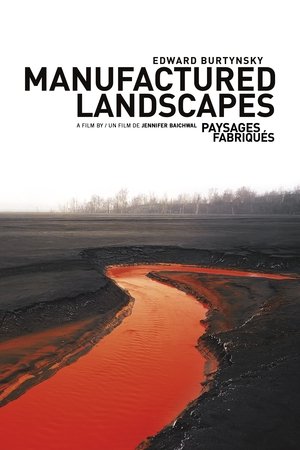
MANUFACTURED LANDSCAPES is the striking new documentary on the world and work of renowned artist Edward Burtynsky. Internationally acclaimed for his large-scale photographs of “manufactured landscapes”—quarries, recycling yards, factories, mines and dams—Burtynsky creates stunningly beautiful art from civilization’s materials and debris.
In the cobalt mining areas of Katanga in the Democratic Republic of the Congo (DRC), babies are being born with horrific birth defects. Scientists and doctors are finding increasing evidence of environmental pollution from industrial mining which, they believe, may be the cause of a range of malformations from cleft palate to some so serious the baby is stillborn. More than 60% of the world’s reserves of cobalt are in the DRC and this mineral is essential for the production of electric car batteries, which may be the key to reducing carbon emissions and to slowing climate change. In The Cost of Cobalt we meet the doctors treating the children affected and the scientists who are measuring the pollution. Cobalt may be part of the global solution to climate change, but is it right that Congo’s next generation pay the price with their health? Many are hoping that the more the world understands their plight, the more pressure will be put on the industry here to clean up its act.
Det er godt at have sin egen konto
An engineering feat: Second city civil engineers complete a new bridge to carry traffic over New Street's tangled railway intersections.
La zuppa del demonio
This 10-minute short documentary exploring the shifting state of the American poultry industry was preserved in 2015 from an original nitrate print. More information is available on the film's page in the National Film Preservation Foundation's website, where this version can be found featuring original music by Michael D. Mortilla.
With building collapses happening around the country, activists band together to confront the real estate developers and hold them accountable for the construction destruction, lives they have destroyed, and deaths they have caused.
Hmoty zítřka
This short documentary film is a fascinating portrait of urban and rural Quebec in the late 1960s, as the province entered modernity. The collective work produced for the Quebec Ministry of Industry and Commerce calls on several major Quebec figures.
Grafická kontrola výroby