The results of serious traffic accidents caused by careless driving are displayed. One of several Driver's Education films produced by Highway Safety Films, filmed at actual auto accident scenes and consisting largely of color closeups of mangled accident victims.
This black & white educational driver safety film is about how to drive on America's new, post-war highways / freeways and on multi lane roads.
A group of hip '90s teens educate new drivers about how to conduct themselves around semi-trucks on the freeway.
The film shows the risks associated with different driving speeds and the impact of collisions. It includes demonstrations of controlled impacts, part of experiments conducted by the University of California to study car crashes and improve safety. This includes the use of anthropometric dummies to measure the effects of collisions on passengers. The importance of safety seat belts and shoulder harnesses in preventing injuries is shown, as well as the dangers to unrestrained children in car accidents and the use of lifelike dolls in experiments. The conclusion of the film emphasises the driver's role in ensuring safety by being attentive and careful.
This driver's education film is about the importance of driver behavior in preventing accidents. The narrator, Gordon Anderson of the Industrial Accident Prevention Associations of Ontario, points out that road accidents are a major cause of fatalities. The core problem lies with the driver, whose decision-making can be compromised by fatigue, alcohol, poor vision, and especially, "bad manners." Statistics and tragic real-life examples show that 81% of accidents are caused by driver errors, and 97% of accidents involve cars in good condition. The film advocates for a proactive approach to safety, urging drivers to follow simple rules of the road. It also suggests solutions like stiffer physical and mental tests for drivers, compulsory vehicle inspections, and use of safety belts. The biggest factor is a lack of courtesy. The film asks drivers to choose "safety or slaughter" by remembering their human limitations and treating other drivers with respect and good manners.
The film sheds light on the unprecedented history of Croatian cinema, which took place at the table of renowned Zagreb film critic and bohemian Vladimir Vukovic. This circle of film lovers, called Hitchcockers, brought together film directors, critics and theorists who would later become Croatian filmmakers.
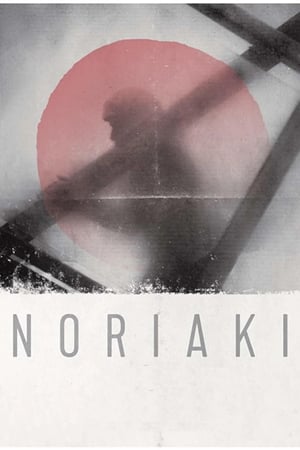
Noriaki has been a ski jumper as long as he can remember and has no plans of retiring. In the world's biggest ski jumping hill, all his skills and experience will be tested.
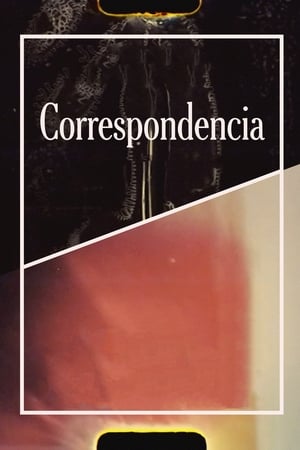
In the form of a filmed epistolary conversation, two young, experienced filmmakers discuss film, present and past family, heritage and maternity. The personal and profound reflections—which are embodied in the graceful images taken day-to-day—are suddenly echoed by the political emergency of a country.
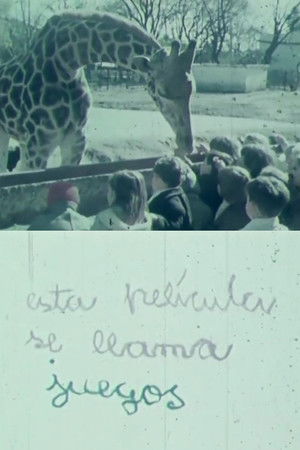
Juegos
A documentary about the EAM Resistance during the Occupation in Athens ('41-'44). 14 narratives. 14 stories. A people against the Italian and German occupiers and their local collaborators. A documentary about collective memory.
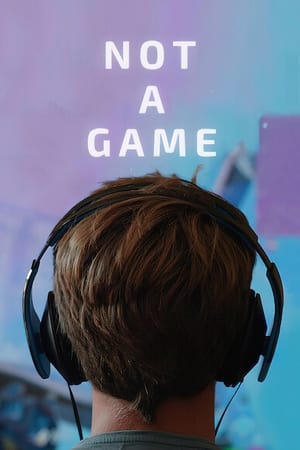
This documentary offers an honest look at our fraught, complex relationship to video games from the perspectives of gamers and their concerned parents.
Des îles ensorcelées par la Lune
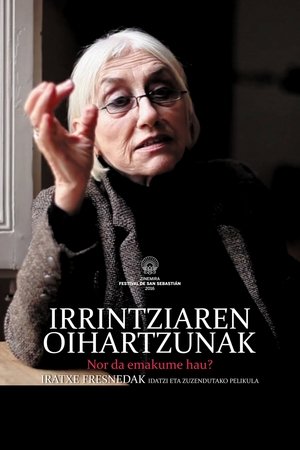
An account of the creative exile of Mirentxu Loyarte, one of those brave, unknown pioneers of European cinema, examining her memory and work; the search for a cinematographic treasure made of flesh and bone…
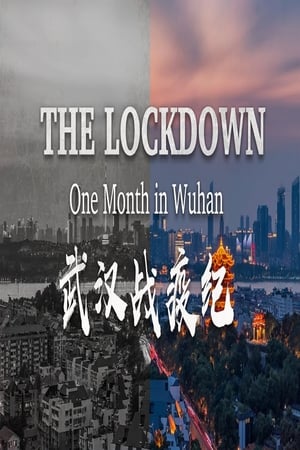
On January 23, 2020, the Chinese authority imposed a lockdown in Wuhan, as well as other cities in the Hubei province, in an attempt to prevent the Corona-virus from spreading further across the nation.
Cinematographic poem. Diary
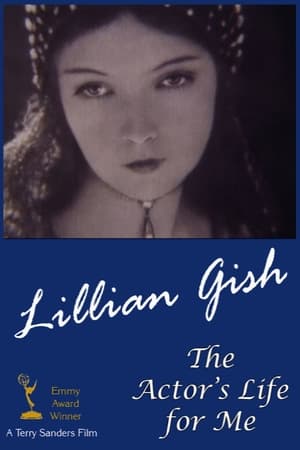
Called "the first lady of the silent screen," Lillian Gish was the archetypal silent film heroine — the delicate damsel in distress, stranded on a swift-moving ice floe, cowering before a sadistic brute. The film showcases generous footage of her most memorable performances. In this Emmy-award winning documentary, the celebrated actress reflects on her life and work spanning the 20th century, particularly her years as D.W. Griffith's favorite leading lady and collaborator.
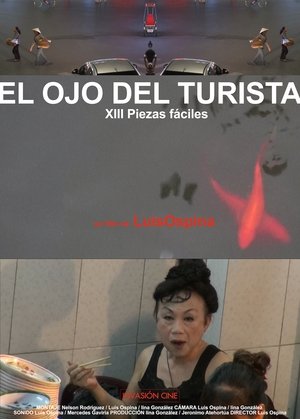
Between 2014 and 2017, Luis Ospina and Lina González made a series of travels through some Asian countries; perhaps the antipodes of their symbolic world. These travels started a series of records, articulated in a kind of travel log in the style of a modern Marco Polo. This film moves between the gaze of the filmmaker and that of the tourist, at the same time it revitalizes the question for the other in a globalized age, with omnipresent screens. In this posthumous film, Ospina casts his regard on small details, be it common habits or exceptional events.
Inhale – Winter. Bird chirps, light and city life sneak through the cracks of the windows. Spaces clad in walls wrap our hibernators, interwoven by gestures and daily rituals. Exhale – Spring.
The opening session of the 10th edition of Green Years marks the return of Ana Vîjdea to this section. After having won the Doc’s Kingdom Best Green Years Director Award in 2017, she now presents December, Radio Romania. The film follows the celebrations of several national holidays in a Romanian public radio station. From live shows to backstage parties, the film guides us through a space haunted by a complex history.
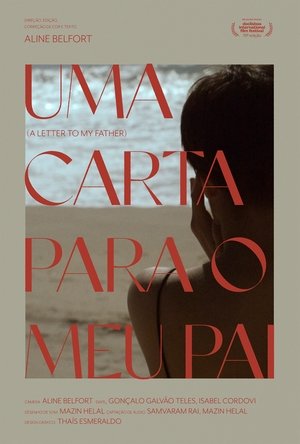
In a dance where a daughter seeks all the caress never received from her father’s hands, a letter is written by gestures, images and words in an attempt to rescue a relationship that was lost by fear.