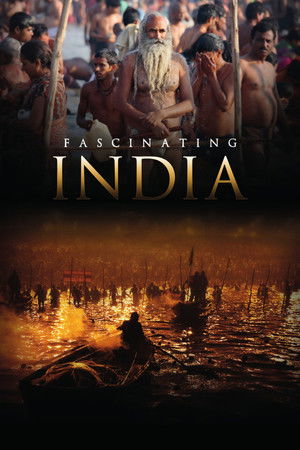
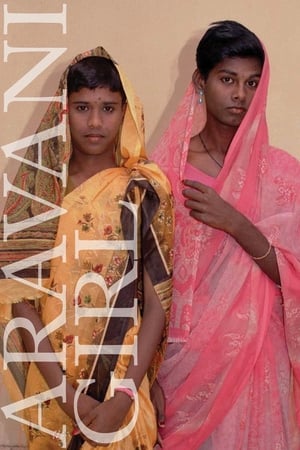
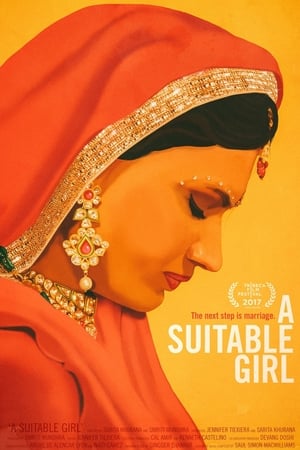
Life on the road in India, showing the traffic, people and animals.
Hindu temples at Benares and Belur and the mythologies associated with them.
A woman narrates the thoughts of a world traveler, meditations on time and memory expressed in words and images from places as far-flung as Japan, Guinea-Bissau, Iceland, and San Francisco.
James A. FitzPatrick takes a look at colorful Guatemala.
A visit to Singapore, an essential port city in Britain's empire, established in 1813 when Raffles negotiated its separation from the independent Malay state of Jahor. The camera observes Singapore's traditional neighborhoods, trade, and small craft, which are dominated by people of Chinese ancestry. Then, we drive the modern causeway to Jahor's small capital, Johor Bahru, for a look at imposing buildings and a visit to the grounds of the sultan. The sultan's son invites the crew in, and we meet the sultan, "H.H." himself. The narrator relates the sultan's commitment to commerce, economic well-being, and tolerance, stemming in part from his European education.
This Traveltalk series short takes viewers on a tour of old New Mexico. Starting in Santa Fe, the oldest state capitol in the USA, the city existed long before European migration. It's unique architecture is its most prominent feature. There are several archaeological sites trying to date when Indians first settled in the area. Seven percent of the population are of Indian origin. Near Taos is the onetime home of Kit Carson whose grave is one of the sacred shrines of New Mexico. The Navajo live on their 14 million acre reservation and continue their traditional way of life.
This Traveltalk short visits southern Mexico.
The drive from Riverside, California to Phoenix, Arizona is affectionately known as the Cactus Trail. Starting in Riverside, sights of note include: the Mission Inn in Riverside whose unique style was the brainchild of Frank Miller; the Chapel of St. Francis in Riverside, which because of its dedication to aviation is the site of many weddings associated with aviators; the Camelback Mountain outside of Phoenix, so named for its shape.
A tour of Salt Lake City, Utah.
A visit to the structures built by the ancient Mayans at Chichén Itzá, on the Yucatán Peninsula.
This Traveltalk series short visits two of the most important cities on Mexico's Yucatán Peninsula.
RROMANI SOUL traces the true origin of the Rroma people. Through rituals, song and dance we follow emblematic figure and "Queen of the Gypsies" Esma Redzepova to Macedonia, south of France and finally to India. The film reveals for the first time ever that the true and unique origin of the Rroma is Kannauj in Uttar Pradesh, India.
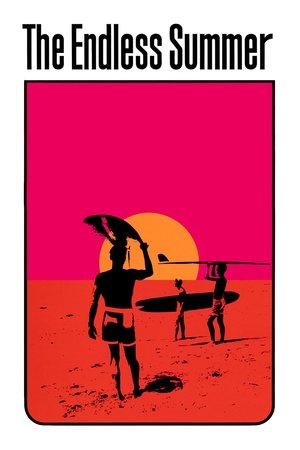
Bruce Brown's The Endless Summer is one of the first and most influential surf movies of all time. The film documents American surfers Mike Hynson and Robert August as they travel the world during California’s winter (which, back in 1965 was off-season for surfing) in search of the perfect wave and ultimately, an endless summer.
This portrayal of the rhythm of life and work in a gigantic textile factory in Gujarat, India, moves through the corridors and bowels of the enormously disorienting structure—taking the viewer on a journey of dehumanizing physical labor and intense hardship.
This FitzPatrick Traveltalk series short looks at Czechoslovakia before World War II, including images of bridges, churches, and castles in Prague, also a non-military parade through the city.
Filmed in 1938, less than a decade before Indian independence, Delhi has a curious tale to tell. ‘Delhi’, the viewer is informed, ‘is the cockpit of the Indian Empire’, it provides the ‘gateway to the riches of the south’. The opening sections of the film focus upon those who have tried and failed to establish a lasting power in the capital. ‘At Delhi’, the commentator states, ‘successive cities have been built by conquering invaders – each has fallen into disuse and decay’. The camerawork focuses on the ‘impressive ruins’ of these earlier invaders. Although the film also depicts the enduring architecture of Muslim rulers, such as Akbar and Shahjahan, it is stressed that their power has been superseded. Legend has it that it will be the ninth city of Delhi that ‘will endure and will rule forever’. Shahjahan had built the eighth.
This Traveltalk short takes the viewer to Madeira Island, the largest of the group of Madeira islands in the Atlantic Ocean.
The remote island of St. Helena, a British possession located in the south Atlantic, is perhaps best known as where Napoleon Bonaparte was exiled/imprisoned for the final six years of his life and where he died in 1821. His legacy on the island remains today, despite his body being disinterred and moved back to France in 1840. His home was at Longwood, one area of the island now ceded to the French in respect of its former resident. The island was discovered and named by the Portuguese in 1502. Until the British took over, many other European countries had or wanted possession of the island because of its location along natural trade routes. Jamestown is the island's only port, named after King James. With 4,000 inhabitants, St. Helena is self supporting, growing primarily potatoes and flax. However, its primary economic generator is the sale of the rare St. Helena postage stamp.
Lake Patzcuaro, located 230 miles west of Mexico City, is one of the highest and most picturesque bodies of water in Mexico. The heritage of the indigenous peoples of the area, the Tarascans, still prevails, such as the production of lacquer-ware handicrafts, and the means of hunting and fishing, the latter which uses nets shaped like large butterfly wings. Although most current day Tarascans are Roman Catholic, they have not totally abandoned their indigenous pagan gods. On Janitzio, one of the many islands in the lake, stands a large statue commemorating José María Morelos, a prominent figure in Mexican liberation and a great benefactor to the Tarascans. Janitzio is also the inspiration for many famous paintings. The town of Tzintzuntzan just inland from the lake's shore acts as the regional center for the market and for festivals.
In 1968, a convoy set off to transport a Calandria, the 70-ton core of a Canadian nuclear reactor, to Rajasthan in India. Even the largest semi-trailers could not keep up with this transport, which drove over specially reinforced roads and through city walls that had been demolished to make room.