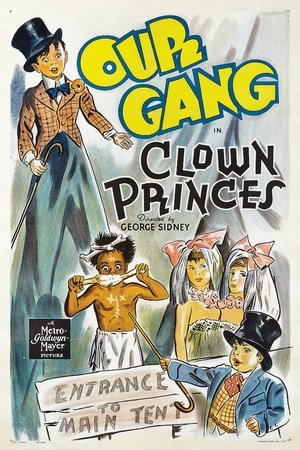
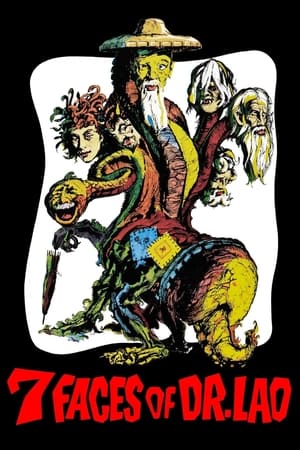
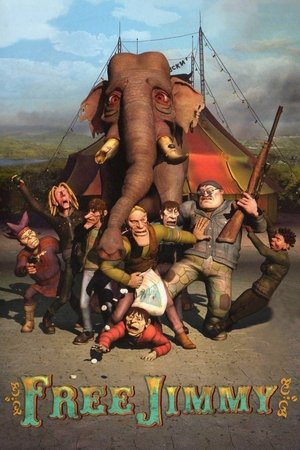
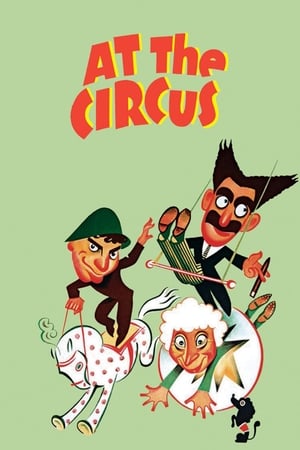
A circus performer falls in love with the son of a plantation owner in antebellum New Orleans. When the young man's stepmother objects to the wedding, the couple break apart and go their separate ways for a time. Also in the mix are two circus comics who feud over the heart of another Southern belle.
Twenty-three years after scoring the winning touchdown for his college football team mild-mannered Harold Diddlebock, who has been stuck in a dull, dead-end book-keeping job for years, is let go by his pompous boss, advertising tycoon J.E. Wagglebury, with nothing but a tiny pension. Harold, who never touches the stuff, takes a stiff drink with his new pal... and another, and another. What happened Wednesday?
A 1968 event put together by The Rolling Stones. The film is comprised of two concerts on a circus stage and included such acts as The Who, Taj Mahal, Marianne Faithfull, and Jethro Tull. John Lennon and his fiancee Yoko Ono performed as part of a supergroup called The Dirty Mac, along with Eric Clapton, Mitch Mitchell, and Keith Richards.
Raju faces many hurdles and disappointments in matters of the heart throughout his life. But as a clown in a circus, he tries to make his audience laugh at the cost of his own sorrows. Along the way, Raju loves and loses, but must always keep a smile on his face because, in the words of his circus manager, "The show must go on."
An extraordinary young girl discovers her superpower and summons the remarkable courage, against all odds, to help others change their stories, whilst also taking charge of her own destiny. Standing up for what's right, she's met with miraculous results.
Jeff Wilson, the owner of a small circus, owes his partner Carter $10,000. Before Jeff can pay, Carter's accomplices steal the money so he can take over the circus. Antonio Pirelli and Punchy, who work at the circus, together with lawyer Loophole try to find the thief and get the money back.
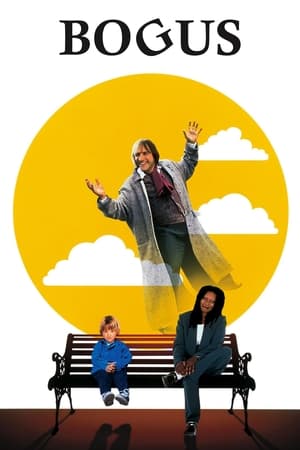
Recently orphaned, a young boy is taken in by his godmother who is shocked to realize that she can see the boy's imaginary friend: a flamboyant, French magician named Bogus.
Daniel’s drab existence as a physics teacher takes an adventurous turn when he falls in love with a Turkish girl named Melek. He spontaneously decides to follow her to Instanbul by car. On the road across Europe, he picks up his free-spirited friend Juli, who is secretly in love with him.
Chandran, a circus performer, and Thankam are in love. The circus team borrows some money from Thankam's father, Paithal Nair. When they are unable to repay, Paithal Nair takes away their animals.
It's night on a Paris bridge. A girl leans over Seine River with tears in her eyes and a violent yearning to drown her sorrows. Out of nowhere someone takes an interest in her. He is Gabor, a knife thrower who needs a human target for his show. The girl, Adele, has never been lucky and nowhere else to go. So she follows him. They travel along the northern bank of the Mediterranean to perform.
On behalf of "oppressed bugs everywhere," an inventive ant named Flik hires a troupe of warrior bugs to defend his bustling colony from a horde of freeloading grasshoppers led by the evil-minded Hopper.
Yolsuzlar
Bhargavan is a dangerous criminal who gets anxiety attacks that prevent him from attacking anyone. However, when he meets a psychiatrist, Santharam, his life gets transformed while he treats him.
LUZIA takes you to an imaginary Mexico, like in a waking dream, where light (“luz” in Spanish) quenches the spirit and rain (“lluvia”) soothes the soul. With a surrealistic series of grand visual surprises and breathtaking acrobatic performances, LUZIA cleverly brings to the stage multiple places, faces and sounds of Mexico taken from both tradition and modernity.
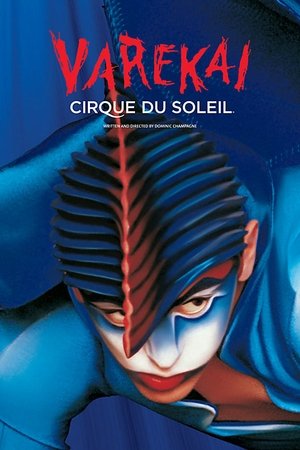
A child is born. We see underwater swimmers representing this. He is young, in a jungle setting, with two fanciful "instincts" guiding him as swooping bird-like acrobats initially menace, then delight. As an adolescent, he enters a desert, where a man spins a large cube of metal tubing. He leaves his instinct-guides behind, and enters a garden where two statues dance in a pond. As he watches their sensual acrobatics of love, he becomes a man. He is offered wealth (represented by a golden hat) by a devil figure. In a richly decorated room, a scruffy troupe of a dozen acrobats and a little girl reawaken the old man's youthful nature and love.
Pippi Longstocking is an extraordinary little girl who lives alone in her house, while her father sails the seven seas. Pippi's irrepressibly fun nature makes her easy to befriend, as neighbors Tommy and Annika find, but can also earn ire, especially from social worker Mrs. Prysselius.
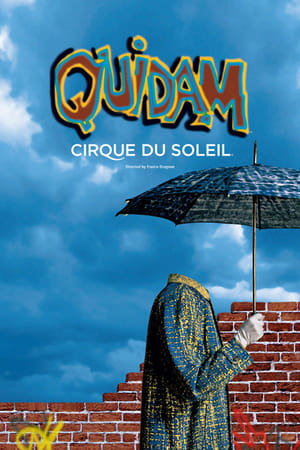
A young girl has already seen everything there is to see and her world has lost all meaning. Her anger shatters her world and she finds herself in the universe of QUIDAM, where she is joined by a playful companion, as well as another mysterious character who attempts to seduce her with the marvelous, the unsettling and the terrifying.
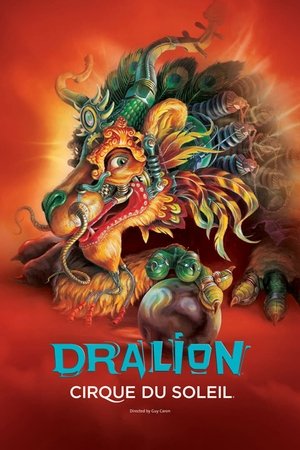
The Chinese consider the lion a symbol of good luck, so it's a half-dragon, half-lion – a dralion – that is the symbol of the East-meets-West fusion of this performance in which 36 Chinese acrobats join the renowned Canadian troupe. Celebrating the four elements as represented in four colours – blue (air), green (water), red (fire) and ochre (earth) – Dralion combines ancient Chinese circus traditions with Cirque du Soleil's usual stunning elements: the techno-oriented single ring; the multicoloured lights and costumes; the music that mixes rock, New Age and various world influences (though not Chinese); and the madcap clowns that pull a victim out of the audience.
Alegría is a mood, a state of mind. The themes of the show, whose name means "jubilation" in Spanish, are many. Power and the handing down of power over time, the evolution from ancient monarchies to modern democracies, old age, youth - it is against this backdrop that the characters of Alegría play out their lives. Kings' fools, minstrels, beggars, old aristocrats and children make up its universe, along with the clowns, who alone are able to resist the passing of time and the social transformations that accompany it.
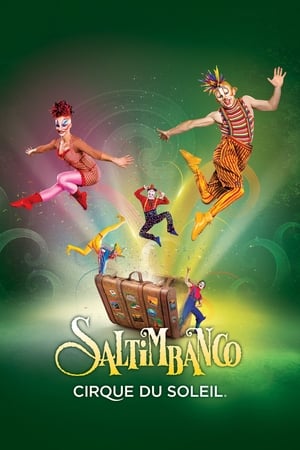
From the Italian 'saltare in banco' – which literally means 'to jump on a bench' – Saltimbanco explores the urban experience in all its myriad forms. Between whirlwind and lull, prowess and poetry, it takes spectators on an allegorical and acrobatic journey into the heart and soul of the modern city.