The Moroccan Labyrinth
Presos del silencio
Los últimos guerrilleros - Historia de la A.G.I. (Agrupación guerrillera de Levante)
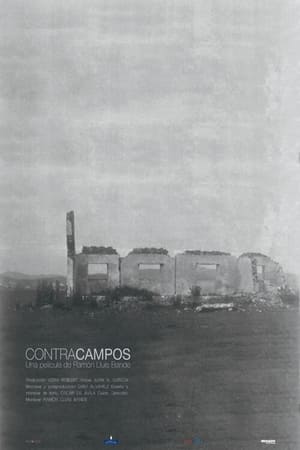
Contracampos is the attempt to (re)build a landscape. A recreational area and a shooting range in the west of Asturies, which, between 1937 and 1943, housed a Francoist concentration camp through which thousands of Republicans passed – firstly militiamen, later guerrillas and their relatives. Sharing a leisurely observation with the viewer, the film intends to resignify that space, giving it back its political meaning. But it is not a question of showing –of filming– the invisible, but rather of showing what is missing in what exists today. What was and is no longer, not even in people's memories.
Cautivos en la arena
A pro-Republican propaganda documentary made during the Spanish Civil War. It reports on the demonstration held in Barcelona on December 27, 1937 to commemorate the capture of Teruel by the Republican forces.
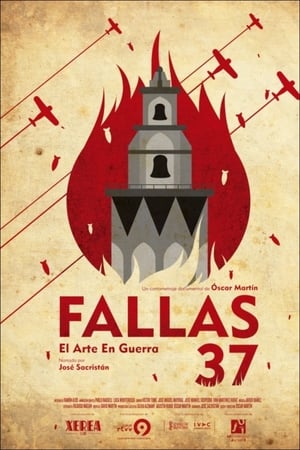
In November 1936, a few months since the beginning of the Spanish Civil War, the government of the Second Republic moves to Valencia. In this situation, several Valencian artists and intellectuals decide to build four fallas — satirical plasterboard sculptures created to be burnt — to mock fascism.
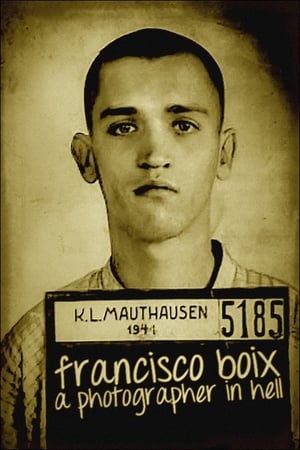
In 1939, just finished the Spanish Civil War, Spanish republican photographer Francesc Boix escapes from Spain; but is captured by the Nazis in 1940 and imprisoned in the Mauthausen concentration camp, in Austria, a year later. There, he works as a prisoner in the SS Photographic Service, hiding, between 1943 and 1945, around 20,000 negatives that later will be presented as evidence during several trials conducted against Nazi war criminals after World War II.
A feature-length documentary based on film reports from the Spanish civil war.
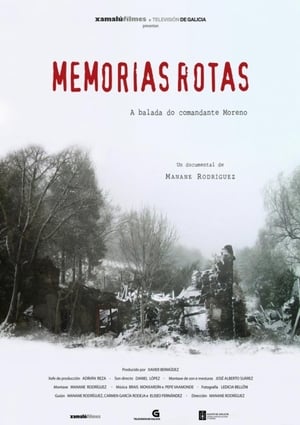
An audiovisual chronicle of the Spanish Civil War in Galicia. Memorias Rotas centers on a group of republican fighters leaded by Commander José Moreno. The group disappears as they fail trying to escape by sea in the border between Galicia and Asturias and nobody ever knows about them.
Que mi nombre no se borre de la historia
Bajo el signo libertario is a propaganda documentary, with the script and direction of Les (known for his articles in Solidaridad Obrera and the magazine Espectáculo) whose central theme is the reconstruction of the development of life in a libertarian community in the Aragonese town of Pina de Ebro.
The story of the concentration camp on San Simón Island (Ría de Pontevedra) during the years of the Spanish Civil War (1936-39), told by its protagonists. Hours and hours of video recording resulted in this documentary which tries to reflect the emotion and tragedy of those years. A research project based on an oral history methodology.
We had to wait until the Spanish “Movida” of the 1980s to see films that did not emanate from Francoist propaganda. But Spain had already experienced a period of cinematic splendor, during the civil war, when the film studios were under the control of the Republicans. By describing the "competition" between Republican and Francoist cinemas of the time, Richard Prost provides a unique vision of the Spanish Civil War.
A story about the memory of the memory, which starts from the revenge perpetrated on October 15, 1936, when nine men were killed in Bayonne as a result of events that happened two days before, and which involved the death of a resident of that town and more than one Falangist .
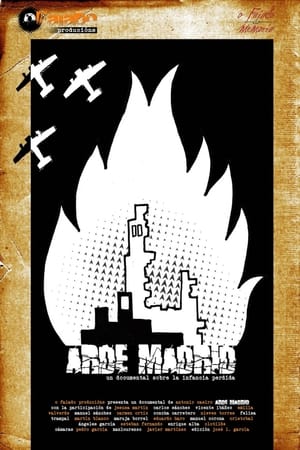
A documentary, of incalculable power, that reflects the abrupt interruption of childhood through thirteen survivors who at the time of 1936 were between six and twenty-two years old. The film narrates his experiences during the conflict, his fears, his hunger, which became more acute after 1937 when Madrid was isolated by Franco's troops. The memories of the protagonists are interwoven with archival images and with the testimony of Eduardo Haro Tecglen and several other people, respecting the silences and pauses in which the interviewees relax the emotions that these memories stir up in them. A cinematic beast's blow where life becomes death: the story of a childhood lost in the midst of embers, hunger and blood.
The documentary is about the destruction of the republican educational model. It narrates the cleansing that Spanish teachers underwent during and after the Civil War.
A documentary about the recovery of the historical memory of the Malaga town of Archidona, a journey through the history of Archidona from the Second Republic to the last years of the post-war period. A work that speaks, above all, about people, experiences, emotions and feelings.
Documentary about the anarchist general Antonio Ortiz.
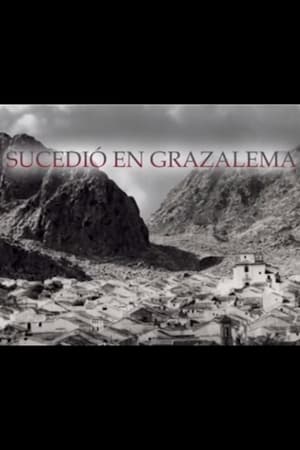
Narration of one of the most lacerating events in the history of this municipality in the Sierra de Cádiz: the murder of 15 neighbors, without trial or formation of any cause. Some of these victims had fled in September 1936 but ended up returning to the municipality, probably in February 1937. It was on that date that the town's Falangists arrested them and executed them, and not as previously thought in the summer of 1936. Several survivors and relatives of those massacres narrate what the arrests of the women and the shootings were like. They also talk about the exhumation of the bodies of these 15 women, where for many years family and friends have brought flowers.