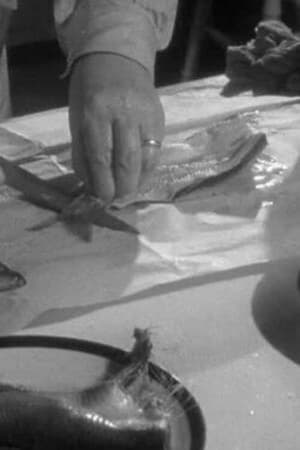
This informative herring aid from WWII makes no bones about the need to make the most of every fish.
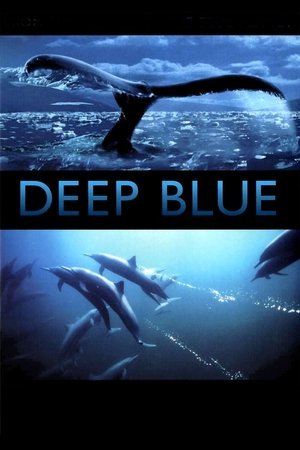
Deep Blue is a major documentary feature film shot by the BBC Natural History Unit. An epic cinematic rollercoaster ride for all ages, Deep Blue uses amazing footage to tell us the story of our oceans and the life they support.
Ukryté v lese, schované v tŕstí
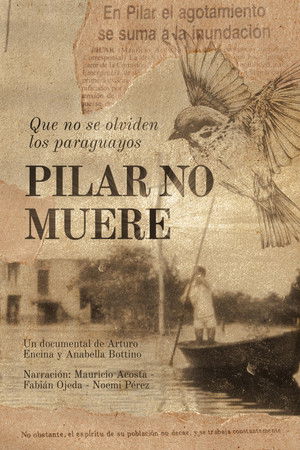
In 1983, the inhabitants of the city of Pilar struggle against nature in an attempt to survive an imminent rise of the river, and amid the desperation, hope emerges.
Jak se žije převozníkům podle Romana Vávry
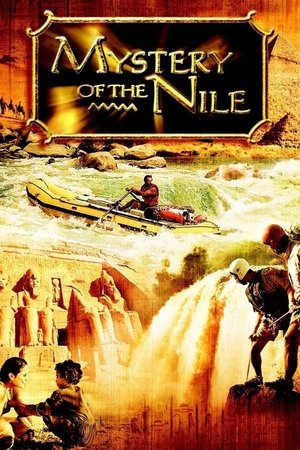
Filmed in IMAX, a team of explorers led by Pasquale Scaturro and Gordon Brown face seemingly insurmountable challenges as they make their way along all 3,260 miles of the world's longest and deadliest river to become the first in history to complete a full descent of the Blue Nile from source to sea.
Short documentary on fish
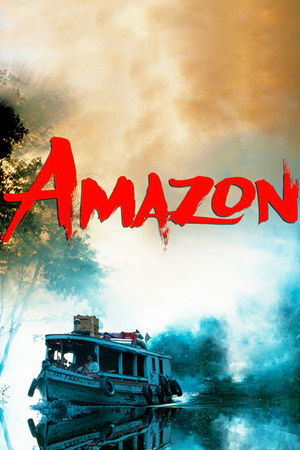
Explore the mysterious Amazon through the amazing IMAX experience. Amazon celebrates the beauty, vitality and wonder of the rapidly disappearing rain forest.
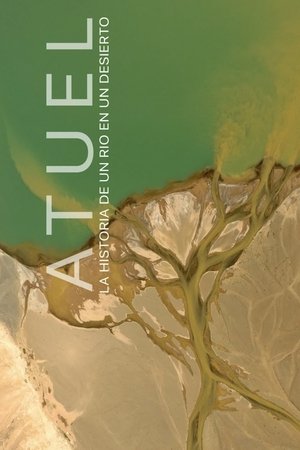
ATUEL is the story of a community and its river; of a river and its community. Everyone in the province of Mendoza, Argentina, lives in one of three oases. The southern oasis, home to the cities of San Rafael and General Alvear, depends primarily on The Atuel River. Yet incredulously, the river remains under threat. People cannot care for what they don’t know and so we decided to ask the river what story it would like to tell about itself. To do so, we travelled its entire length from its source in the heart of The Andes to where it dries out prematurely in the sands of The Cuyo Desert. We’re told we are the first to do so since 1884 and the first ever to do so by boat. 43 days. 480 kilometres. 38 people interviewed about their relationship with the river.
Follows Martin Strel as he attempts to cover 3,375 miles of the Amazon River in what is being billed as the world's longest swim.
This Sportscope short focuses on the sport of kayaking.
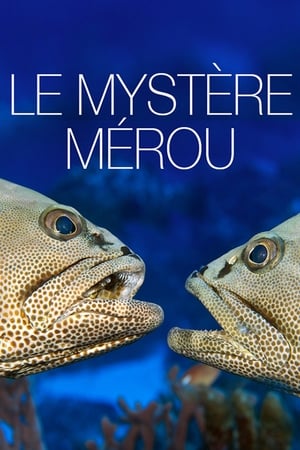
In French Polynesia, there is a place where every year, thousands of groupers gather in secret followed by hundreds of sharks… The photographer, diver and biologist Laurent Ballesta, with his team, wanted to better understand what motivates these fish to wait until the exact day of the full moon to spawn all at once! With the help of researchers from the CNRS of Moorea, they dived and conducted numerous experiments to study and witness this unique phenomenon. Taking advantage of this period of incredible richness, Laurent Ballesta did a record dive of 24 hours at over 20 meters.
Documentary on the river Scheldt.
Le Rhin - Au fil de l‘Histoire
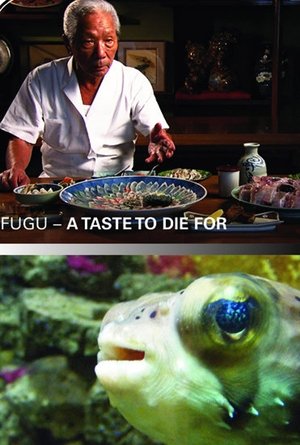
It's the most dangerous delicacy in the world. Despite incidents of poisoning year after year, the popularity of this exotic dish in Japan remains unbroken. The Japanese blowfish fugu contains one of the deadliest poisons known to man, 1250 times more potent than cyanide. If the cook isn't skilled in the use of a filet knife, the gourmet meal could become a death sentence for the restaurant guest.
Gombessa Expedition 1 To dive for the Coelacanth is to go back in time. In 1938, when it was known only as a fossil, a Coelacanth was discovered in South Africa in a fisherman's net. This species bears witness to an evolutionary bifurcation 380 million years ago, and bears the marks of a great event: the day the fish left the ocean for the open air. Does it hold the secret to the transition to walking on land? In 2010, a marine biologist and outstanding diver, Laurent Ballesta, took the first photographs of the Coelacanth in its ecosystem. In April 2013, divers and researchers set down their equipment at the Sodwana base camp in South Africa, in the club founded by Peter Timm (who died in 2014). Six weeks of extreme diving at depths of over 120 meters, in an attempt to film the Coelacanth with a double-headed camera, collect its DNA and tag a subject with a satellite-linked beacon...
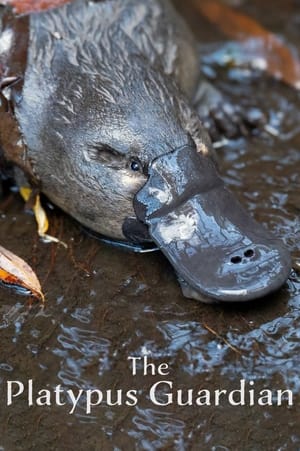
Pete Walsh is a Tasmanian obsessed with one of nature’s least understood creatures, the platypus: an egg-laying, duck-billed, venom-spined, furry-coated underwater mammal. The natural environment of the platypus is in danger from urban development in the capital city of Hobart. With the help of experts, Pete embarks on a mission to rally his community and save the species before it is too late.
Artist-in-residence in Cherbourg, Laura Molton has worked with the children of the Simone Veil elementary school. They followed the Trottebec, a river that runs through the city. Besides the pupils, she went off to discover that waterway, partially underground, through drawing, moviemaking, and gathering tales from inhabitants. Together, they had explored landscape's recollection, and the city's transformations.
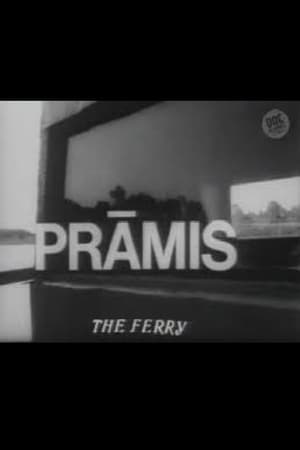
The ferry crosses the river, transporting people from one shore to the other, from one country to another. It runs year round, never stopping. The footage was filmed on the Latvian-Belarussian border in the early 1990s - a time when the Soviet Union began to crumble and Latvia regained its independence.
Flow & Rive