In the mountains of Madrid, Spain, a railway track on an abandoned bridge and a poem erased from the wall of a ruined building reveal a deliberately silenced story: the system established by Franco's dictatorship after the civil war (1936-39) that allowed hundreds of companies to use thousands of convicted Republicans as slave labor.
Paseo
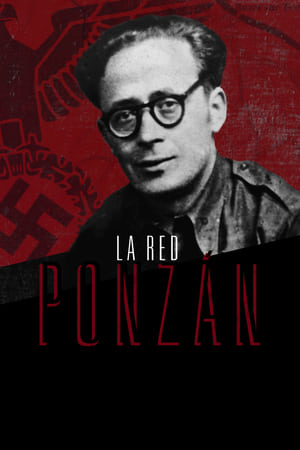
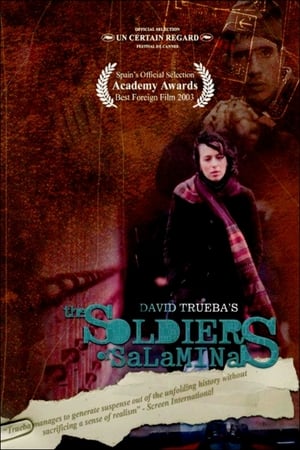
Professor Lola Sánchez investigates the truth behind the events experienced by Rafael Sánchez Mazas, one of the founders of the Falange Española party, during the Spanish Civil War.
While cleaning the apartment of Lucía, her deceased grandmother, Anna finds a notebook where she discovers the story of a secretly kept love, lived during the turbulent years of the Second Republic and the Spanish Civil War.
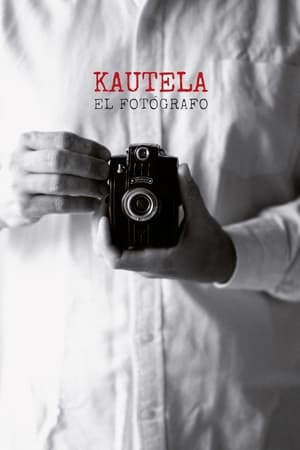
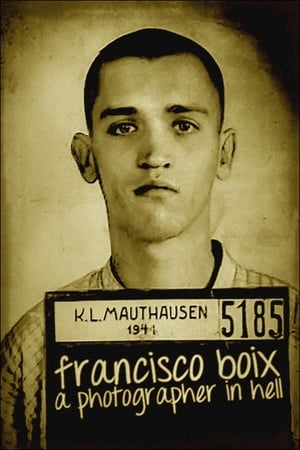
In 1939, just finished the Spanish Civil War, Spanish republican photographer Francesc Boix escapes from Spain; but is captured by the Nazis in 1940 and imprisoned in the Mauthausen concentration camp, in Austria, a year later. There, he works as a prisoner in the SS Photographic Service, hiding, between 1943 and 1945, around 20,000 negatives that later will be presented as evidence during several trials conducted against Nazi war criminals after World War II.
Los ojos perdidos
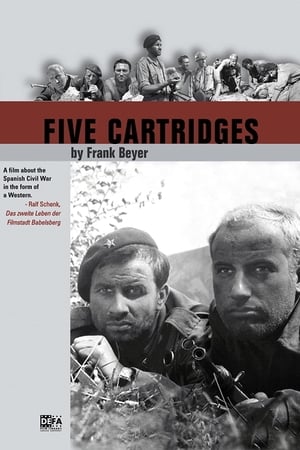
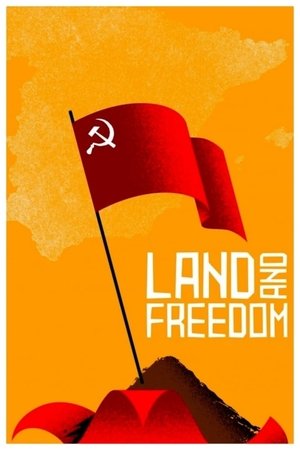
Summer 1936: young unemployed communist David Carr leaves Liverpool to join the fight against fascism in Spain. He joins an international group of Militia-men and women, the POUM (Partido Obrero de Unificación Marxista). After being wounded, he goes to Barcelona, where he joins another group of fighters.
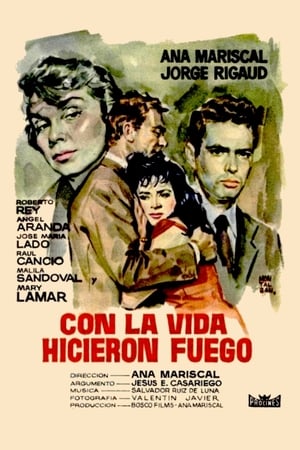
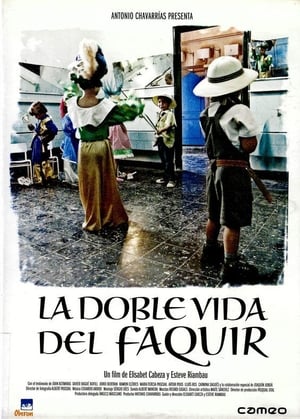
At the end of the Spanish Civil War, the members of a group of vaudeville performers have been stripped of everything: all they have left is hunger and the instinct to survive. Day after day, agonizingly, lost and helpless between the victors and the vanquished, the musician Jorge, the ventriloquist Enrique, the couplet singer Rocío and the orphan Miguel search tirelessly for something to eat and a safe place to live.
Colometa is an average housewife with two children to care for in the late 1930's, as the Spanish Civil War is starting and her husband goes off to fight. She had been an ordinary woman working in a shop when she met the lively carpenter who married her, and their life together was without major problems. But now she is forced to raise her children under straitened circumstances, and after her husband dies, her life undergoes another major change as she marries for the second time. Underneath Colometa's acquiescent, forebearing exterior must lie just a few discontents, a few unrealized dreams - but they never surface as she blithely moves from one episode in her life to another.
Love story during the Spanish civil war in a psychiatric hospital.
In the last four days of his life, fear took over the figure of the poet Federico García Lorca.
Ángel Pedrosa (Álex González, Fernando Luján) returns to Bruma (Córdoba), his hometown, from where he had to flee during the Civil War. He returns to reconstruct his family's history, to forgive himself, and to remember others. Ángel stitches together the fragments of his life during Spain in the second half of 1939. His first love, the hatred of the post-war period, the intolerance and the passages he went through until he had to flee, hastily, out of his homeland to not return until many years later.
During the early moments of the Spanish Civil War, in a spanish village, Isidoro lives with his father Lucas and his horse Coco. Isidoro witnesses how his father, torn apart by their debts, wages his frustration upon Coco.
Javier Navarro, a Falangist, is ordered to infiltrate Republican Madrid to deliver a message to a member of the Fifth Column.
The film centres on Moncho and his coming-of-age experience in Galicia in 1936. Moncho develops a close relationship with his teacher Don Gregorio who introduces the boy to different things in the world. While the story centres on Moncho's ordinary coming-of-age experiences, tensions related to the looming Spanish Civil War periodically interrupt Moncho's personal growth and daily life.
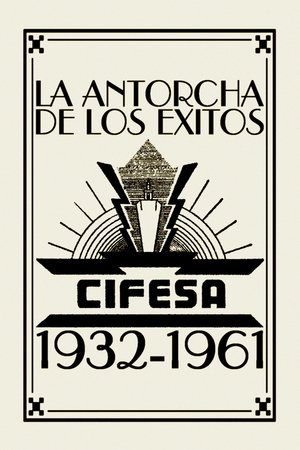
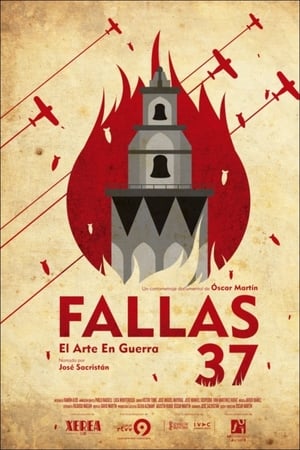
The amazing story of Cifesa, a mythical film production company founded in Valencia by the Casanova family that managed to dominate the box office during the turbulent times of the Second Spanish Republic, the carnage of the Civil War and the hardships of the long post-war period and Franco's dictatorship — and survive until the sixties, when Spain was timidly beginning to change.
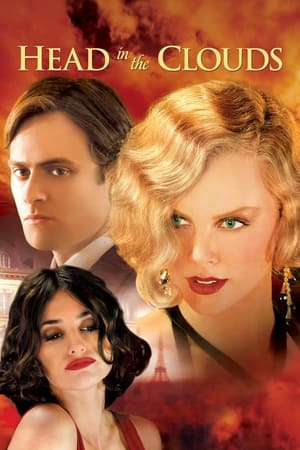
Imprisoned during the Spanish Civil War, John "Kit" McKittrick is released when a New York City policeman pulls some strings. Upon returning to America, McKittrick hears that a friend has committed suicide, and he begins to smell a rat. During his investigation, McKittrick questions three beautiful women, one of whom has a tie to his refugee past. Pursued by Nazi operatives, McKittrick learns of the death of another friend, and begins to suspect the dark Dr. Skaas.
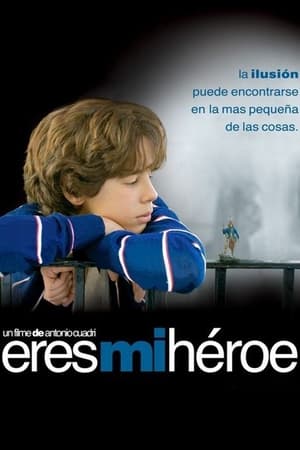
Thirteen-year-old Ramon is on the verge of many adolescent discoveries -- and the confusion that goes along with them. Shy and awkward, he's moved from town to town throughout his childhood and believes that life is about winning and losing. But he soon learns it's all about survival. Like Ramon, Spain is in transition (President Francisco Franco is about to die); it's a time of social upheaval marked by change, illusion and struggle.
Spain, 1938. A woman is quietly planting seeds in her garden when two armed soldiers appear. Before being detained, she hides some of the seeds in her pocket.
During the 30s, the young Catalan teacher Antoni Benaiges takes office at a rural school in northern Spain. Antoni has a simple project: he wants to teach his pupils to write and to be free through the use of the printing press. But his dream ends very soon. An individual and collective story in memory of the victims of the Franco's repression.