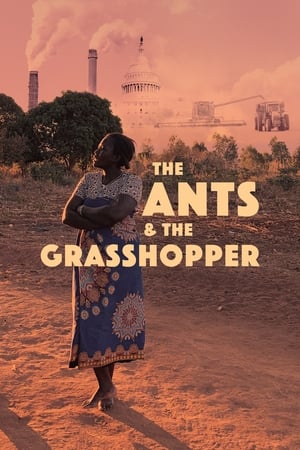
Anita Chitaya has a gift: she can help bring abundant food from dead soil, she can make men fight for gender equality, and maybe she can end child hunger in her village. Now, to save her home in Malawi from extreme weather, she faces her greatest challenge: persuading Americans that climate change is real. Traveling from Malawi to California to the White House, she meets climate sceptics and despairing farmers. Her journey takes her across all the divisions that shape the USA: from the rural-urban divide, to schisms of race, class and gender, and to the American exceptionalism that remains a part of the culture. It will take all her skill and experience to help Americans recognise, and free themselves from, a logic that is already destroying the Earth.
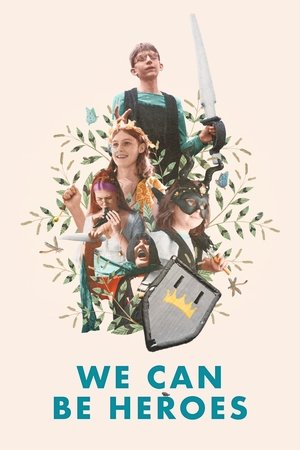
Sometimes, finding your tribe requires a bit of magic. For attendees of a live action role-playing (LARP) camp in upstate New York, the deeply accepting environment has given neurodivergent, queer, and self-proclaimed "nerdy" teenagers the space and community for self-discovery that they have never found anywhere else. As the campers immerse themselves in this imaginative world, they discover inner strength, heal from past traumas, and emerge as the heroes they are meant to be, both in the fantasy realm and in real life.
People from different ethnic backgrounds with "difficult" names by Western standards share their experience with moving through the world with an identity that challenges others to simply just say their name. A short social docu-film by Mariam Meliksetyan, “Say My Name” is a meditation on identity, otherness, assimilation, community, and ancestral roots.
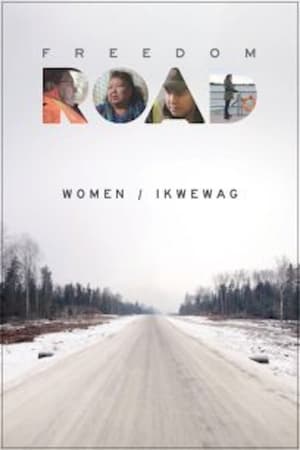
Shoal Lake 40 women talk about their struggles, and those of their parents and grandparents, in trying to raise their families in a hazardous state of enforced isolation. Everyone in the community has a harrowing story of a loved one falling through the ice while trying to get across the lake, with pregnant women and new mothers fearing for their babies and having no choice but to make the trek in dangerous conditions. The film shows the key role of the community’s women in demanding funding for the road from three levels of government, and how their reconnection to culture and ceremony give them the strength to keep going.
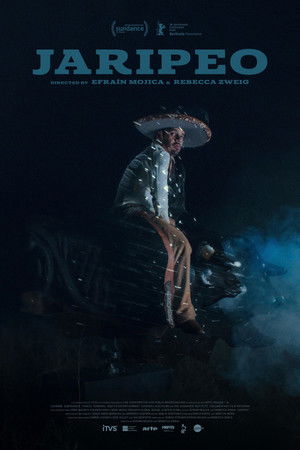
Set against the vibrant spectacle of the jaripeo, a symbol of Mexican cowboy tradition and machismo, this story unveils a hidden world of queer desire and quiet rebellion. As glances and gestures disrupt the rigid norms of masculinity, the rodeo becomes a stage for our protagonists to navigate identity, community, and the search for belonging in an oppressively traditional space.
Told by the country's first women, Canada's Keepers examines the truth about the country's dark colonial past. Truthful and raw, nine First Nations women tell their stories of racism, intergenerational trauma, resilience, community and more in this emotional film.
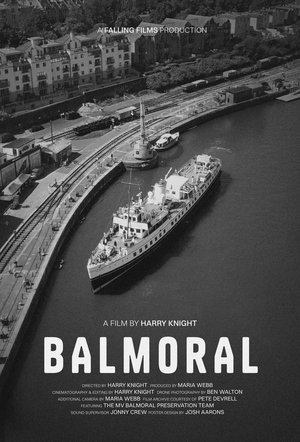
As historic ships vanish from British waters, a group of passionate volunteers fights to save the Balmoral—a 1949 passenger vessel moored in Bristol’s iconic harbour—battling time, bureaucracy, and financial struggles to preserve a piece of maritime history before it’s lost forever.
Sportsfreund Lötzsch
The fight for survival in one of Tokyo’s vanishing geisha districts. Documenting everything from ancient moss-covered woodlands to the streets of his old Brooklyn neighbourhood, Japanese photographer and Wallpaper contributor Yasuyuki Takagi is known for his quiet vernacular style.
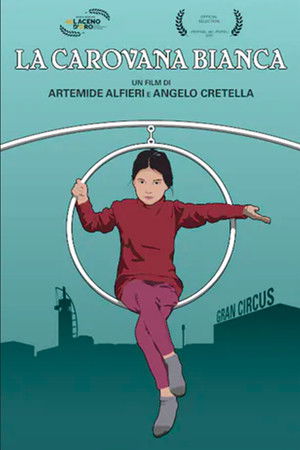
The neon sign ‘Circus’ illuminates the wide street of Naples’ suburbs: four circus families were abandoned by the institutions, and now they’re awaiting the pandemic will disappear, like a magic show. The circus has stopped, but their lives go on.
For fixed-gear cyclists, Los Angeles is a city that has it all. From the neon glow of Hollywood to the sun-drenched boardwalk of Venice Beach, fixed-gear has evolved into a vibrant street culture that is uniquely L.A. From director David Rowe (Fast Friday) comes a new documentary feature that explores a side of L.A. few outsiders have seen. From races through rush-hour traffic to midnight loft parties, To Live & Ride in L.A. is a fast paced-trip through the busy streets and back-alleys of one of the world's largest cities. To Live & Ride in L.A. features talented local riders tearing up the streets with first-time visitor Keo Curry (Fast Friday, Macaframa) - one of the living legends of the sport. Bike to hidden spots off the map, race a midnight alley-cat, keep pace with the riders from Wolfpack, and hang with the local crews, graffiti artists and other L.A. personalities burning up the fixed-gear scene.
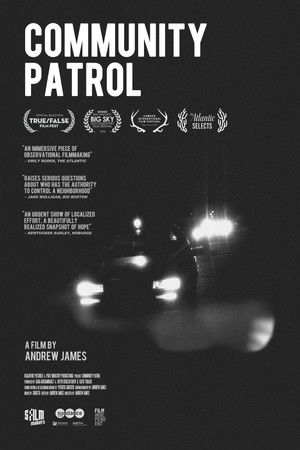
It’s been widely reported that Detroit is making a comeback, but long-term residents of Detroit’s mostly black neighborhoods aren’t seeing much benefit. Crime, lack of opportunity and infrastructure problems still persist. Community Patrol explores neighborhood self-policing through the eyes of Minister Malik Shabazz, a long-time Detroit activist and community organizer. Determined that more black men don’t end up in jail or killed, the minister confronts drug offenders directly rather than reporting them to the police.
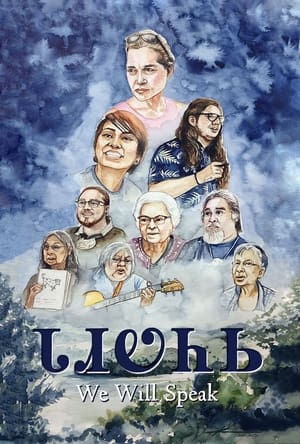
The Cherokee language is deeply tied to Cherokee identity; yet generations of assimilation efforts by the U.S. government and anti-Indigenous stigmas have forced the Tri-Council of Cherokee tribes to declare a State of Emergency for the language in 2019. While there are 430,000 Cherokee citizens in the three federally recognized tribes, fewer than an estimated 2,000 fluent speakers remain—the majority of whom are elderly. The covid pandemic has unfortunately hastened the course. Language activists, artists, and the youth must now lead the charge of urgent radical revitalization efforts to help save the language from the brink of extinction.
The internal journey of eight men, who, through a theater workshop, go through the different prisons they inhabit. Practicing the art of seeing themselves, in Boal's words, this group of men reflects on their masculinity as a representation to hide their true strength: their vulnerability.
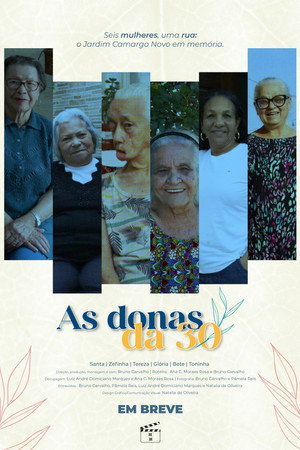
As Donas da 30
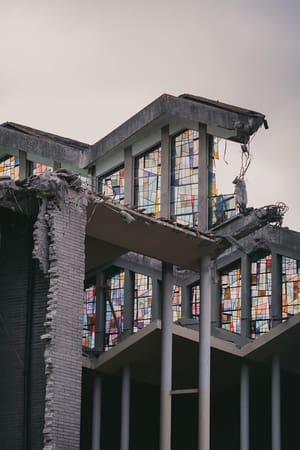
Making Dust is an essay film, a portrait of the demolition of Ireland's second largest Catholic Church, the Church of the Annunciation in Finglas West, Dublin. Understanding this moment as a 'rupture', the film maps an essay by architectural historian Ellen Rowley on to documentation of the building's dismantling. Featuring oral interviews recorded at the site of the demolition and in a nearby hairdressers, the film invites viewers to pause and reflect on this ending alongside the community of the building. The film is informed by Ultimology, and invites its audience to think about the life cycles of buildings and materials, how we mourn, what is sacred, how we gather, what we value and issues of sustainability in architecture.
A group of people interact and commune with a supernatural, female spirit referred to as ‘The Goose’ and her resting ground, Crossbones Graveyard in Southwark, London. Through experimentation in cinematic form and intimate accounts of grief, a surreal but powerful place of healing is revealed.
A small community of passionate ice hockey players from around the North East of England reflect on mental health, fellowship, and loss, as they share a last game with their lost teammate and celebrate his passion for the sport.
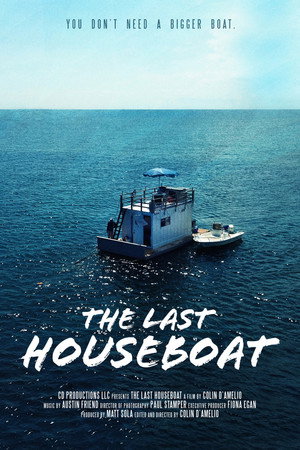
Step aboard a wooden vessel built in 1970 that became a cherished family tradition for over 50 years. Set against the stunning Rhode Island coast, the film explores the deep connections between family, memory, and the places that shape us.
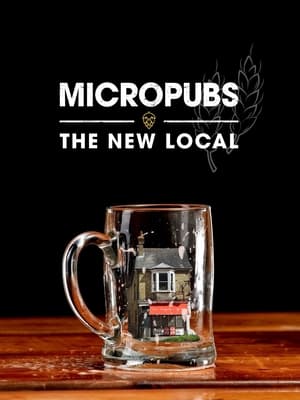
Inspired by the original micropub craze in Kent, three entrepreneurial Londoners decide to open their very own micropub and revitalise their high streets through a love of real ale, conversation and community spirit.