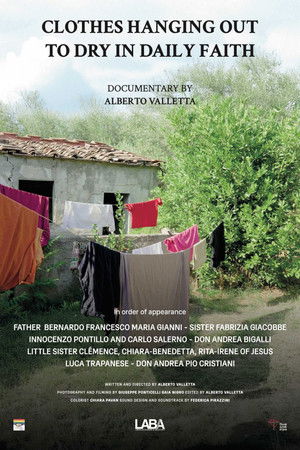
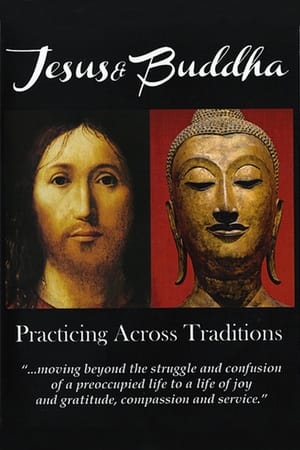
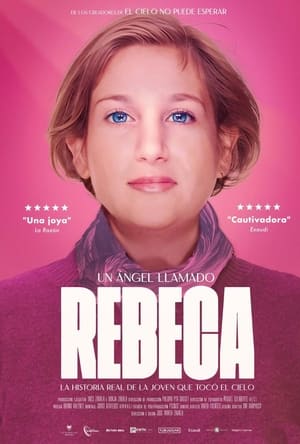
This is a film about the power of the Rosary, a Catholic Prayer. The film depicts personal stories about how the rosary has affected their lives.
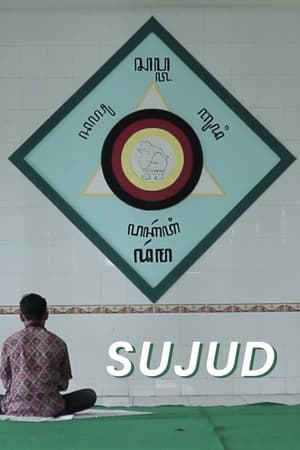
The story of Nisar Ahmed Khan, told through his children and the people he served, a spiritual guide whose followers still visit his tomb on his birth and death anniversaries. And alongside how his family spends a few days at the village keeping his traditions alive.
No Terreiro Mora Deus Também is a medium-length observational-participatory documentary produced by Retravo. It focuses on portraying and immersing the viewer in the cultural setting of Umbanda through interviews with workers and participants, interwoven with the full recording of the gira process. The project's aim is to demystify and break stereotypes associated with Umbanda's popular image in Brazilian culture, offering an emotional and personal perspective to bring the stories of those involved with the religion to the screen. It aligns with the general research areas of Communication: Ethics, Philosophy, and Religion, emphasizing religion (as a set of cultural systems, beliefs, and worldviews that establish symbols connecting humanity to spirituality and moral values), along with the specific research areas of narratives, memories, and identities.
Right alongside Jerusalem, in a Russian Orthodox Convent in the Mount of Olives, in the middle of the Arab quarter, lives the 82-year-old Estonian nun Mother Ksenya.
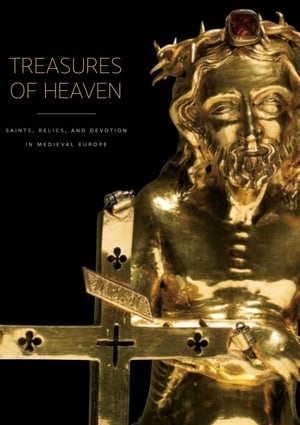
Andrew Graham-Dixon explores the ancient Christian practice of preserving holy relics and the largely forgotten art form that went with it, the reliquary. Fragments of bone or fabric placed inside a bejewelled shrine, a sculpted golden head or even a life-sized silver hand were, and still are, objects of religious devotion believed to have the power to work miracles. The documentary features interviews with art historian Sister Wendy Beckett and Neil MacGregor, director of the British Museum.
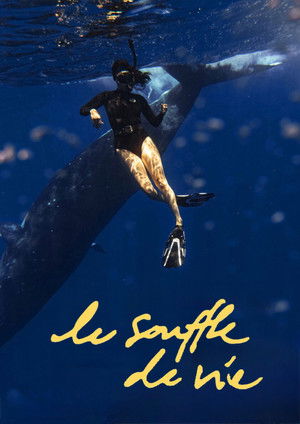
In Polynesia, as humpback whales come to breed in the warm waters of the Pacific, Natoo immerses herself in a timeless experience.
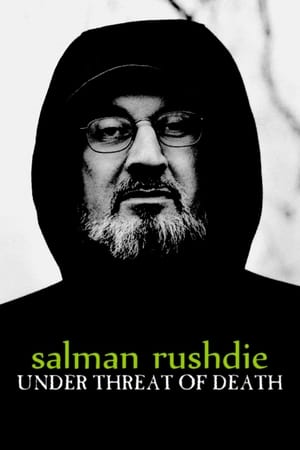
An intimate portrait, in his own words, of the Indian writer Salman Rushdie, author of The Satanic Verses (1988), thirty years after the fatwa uttered by the Iranian Ayatollah Khomeini: his youth in multicultural Bombay, his life in England, his many years of forced hiding, his thoughts on President Trump's United States of America.
A documentary that brings together voices of clergy and laypeople who question the Church and society about the meaning of faith today—touching on the body, emotions, sexuality, and relationships—finding in the city the concrete, everyday place where faith is embodied. The documentary explores the beauty of contrast through life testimonies that foster listening and dialogue, opening a space where people feel welcomed and can be reborn. A collective reflection on the incarnate love of the Gospel, the beauty of relationships, and the complexity of a Church that wants—or should want—to truly be a home for everyone.
This film is a portrait of unique cultural space for Spirits, Gods and People. While permanent theatres are commonly built in most cosmopolitan modern cities, Hong Kong preserves a unique theatrical architecture, a Chinese tradition that has lasted more than a century - Bamboo Theatre.
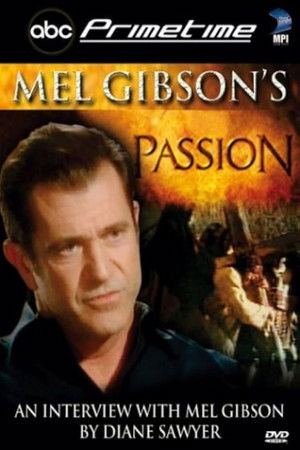
In this special edition of Primetime, ABC News' Diane Sawyer interviews filmmaker Mel Gibson about his highly controversial movie, ""The Passion of the Christ."" He responds to charges that the movie's portrayal of the Jewish role in the death of Christ will encourage anti-Semitism. He also elaborates on comments he's made about the Holocaust. In addition, Gibson tells why he felt it necessary to exhibit such a graphic depiction of Christ's crucifixion on film and discusses his decision to tell the story in Aramaic and Latin.
The magnificent murals at St. Nicholas Church in Millvale, painted by Maxo Vanka in the late 1930s, are legendary. Filmmaker Kenneth Love conveys the significance of these images and the impact they have had on art historians, parishioners, and the public.
In the urban intensity of Johannesburg, Jesus is a special woman. She has powers she herself doesn’t understand. After her friend Mary arrives at her doorstep having been beaten up, Jesus has to choose whether to stay and nurse Mary or take revenge on the deadly Giant.
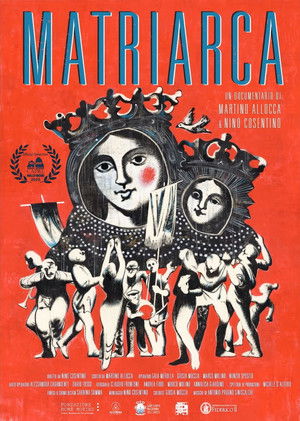
The cult of the Madonna dell'Arco dates back to the 1400s, when a young believer, after losing a game of pallamaglio, threw a ball in anger at a portrait of the Madonna under a Roman arch. The Madonna began to bleed. The crowd wanted to punish the boy for his wicked deed. The Count of Sarno decided to have him hanged from a tree. A few hours later, the tree withered. This is the myth that has always accompanied the oldest Marian cult in Campania (Italy).
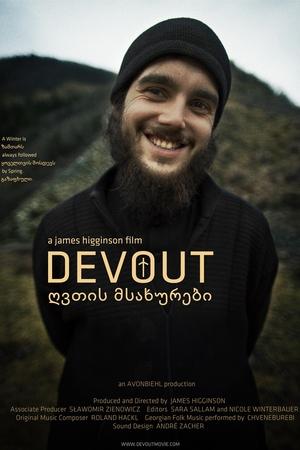
DEVOUT reveals an archaic utopia, a timeless spiritual sphere that is as beautiful and harsh as the mountain terrain of the Caucasus, tempting but unforgiving, a riddle like God and faith as mysterious as the human condition.
Recreation of facts and stories of both experts and people who met Maximilian Kolbe and were shocked by his words and actions.
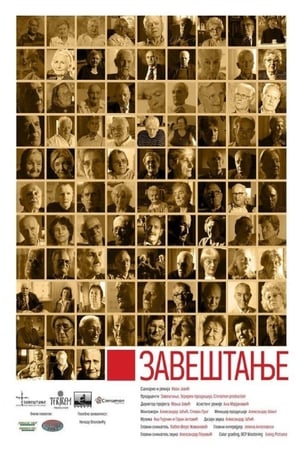
In this film the last living witnesses of the events from Second World War are telling their stories and thus transferring silenced victim’s voices to present times.
Portrait of Seraphim Bit-Kharibi, an Assyrian Orthodox Christian monk residing in Georgia, who sings in Aramaic, the mother tongue of Jesus Christ
Five individuals relate their life stories and struggles as they journey to participate in the filming of The Chosen's "Sermon on the Mount" scene.
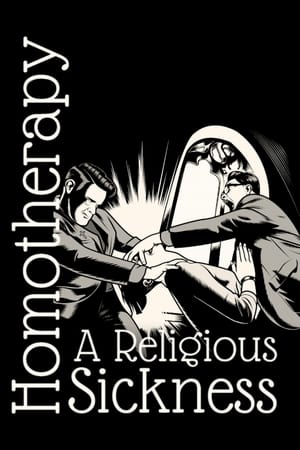
In 2019, some still consider homosexuality as a disease that needs to be cured. Focusing on movements with roots in the United States, which draw on both religion and psychiatry to justify so-called conversion therapies, an investigation into the devastating consequences of certain practices that seem to successfully avoid any control by European public authorities.
This ground-breaking documentary compares similarities and differences in religious beliefs and practices that Islam has with Christianity and Judaism. It also examines how people of goodwill in the Abrahamic faith communities are coming to terms with historical conflicts that impact their lives today, the crisis of the fundamentalist approach to religious pluralism and tearing down barriers to understanding & respect. "A thought-provoking PBS documentary..." - The New York Times "A major work whose time has come...it will cause people to think in new ways..." - Bishop John Chane, National Cathedral, Washington, D.C. "A truly accurate account of Islam's relationship with Judaism and Christianity..." - Daisy Kahn, Executive Director, American Society for Muslim Advancement SEEN ON PUBLIC TELEVISION STATIONS NATIONWIDE