Poradila teta Beta
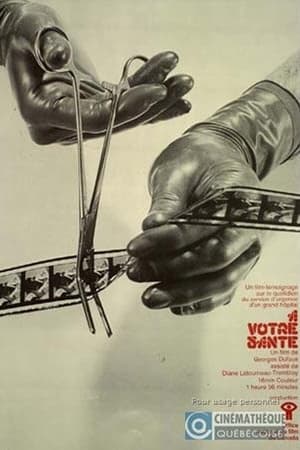
Focuses on the state of the Quebec health system in the early 1970s. This film reveals the harsh reality of emergency rooms. There, medical teams, facing a serious shortage of staff, are facing a real invasion of patients. The technical means, often insufficient, make the task even more difficult.
How a patient-centered philosophy can improve outcomes and enrich the lives of patients.
Concentrates upon basic first aid steps. Simulated situations provide an opportunity to discuss and demonstrate mouth-to-mouth resuscitation, shock, bleeding, burns, fractures, poisoning and sudden illness. A recap is made of all first aid directions. Shots of real accidents provide realism which reinforce the film’s theme. Narrated by Burt Reynolds. ACMI Identifier 003727
24 hours in the life of a hospital from the point of view of the doctors and nurses.
Each year in the United States, unparalleled innovations in medical diagnostics, treatment, and technology hit the market. But when the same devices designed to save patients end up harming them, who is accountable?
Kelly Finger-McNeela was diagnosed with Multiple Sclerosis her freshman year of high school. The only thing on her mind was living a "normal" life. Her disease threatened to make that impossible.
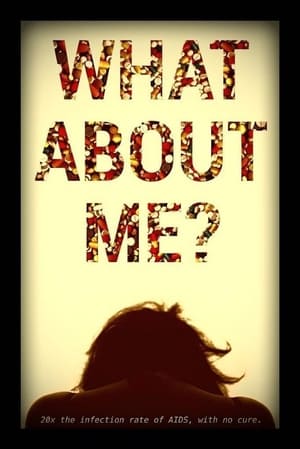
Inside the dramatic search for a cure to ME/CFS (Myalgic Encephalomyelitis/Chronic Fatigue Syndrome). 17 million people around the world suffer from what ME/CFS has been known as a mystery illness, delegated to the psychological realm, until now. A scientist in the only neuro immune institute in the world may have come up with the answer. An important human drama, plays out on the quest for the truth.
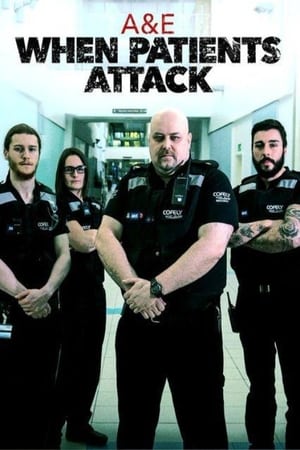
Hospital staff are reporting more violence and anti-social behaviour than ever before. In 2015, 8 staff were assaulted every hour – a new record high. At The Queen Elizabeth Hospital in Birmingham – one of the UK’s biggest hospitals – they think they have the answer. Here a private security force of 46 uniformed guards, and a sophisticated CCTV system, keep staff and patients safe. A colourful mixture of characters ranging from ex-soldiers, to bouncers, to former elite sportsmen, it’s the security team’s job to keep the hospital running smoothly. With more than 2 million visitors they have to deal with all aspects of crime and anti-social behaviour. All against a back drop of life changing and life saving procedures.
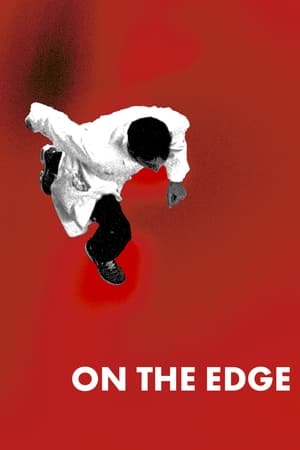
Things are busy at the Paris hospital where young psychiatrist Jamal and his colleagues work. The place is run down, the staff are exhausted, budgets are constantly being slashed. You know the story, but you’ve rarely seen it conveyed as engagingly as in ‘On the Edge’, which employs a handheld camera and meaningful, artistic interventions to observe the daily routine at the psychiatric ward. The deeply sympathetic Jamal is an everyday hero with an exemplary, humanistic disposition, for whom the most important prerequisites for mental health – and for a healthy society in general – are good relationships with other people. He puts his philosophy into practice by listening patiently, giving good advice and organising theatre exercises based on Molière. Realism and idealism, however, are in balance for the young doctor, at least as long as the institutional framework holds up.
This session covers workout clothing, straps, wraps, and belts; warm-up and stretching; basic sports-medicine; healing; how to recognize and respond to minor injuries; plus common types of injury and how to prevent them.
Explores the little-known history and humanity of the unsung Filipino nurses risking their lives on the front lines of a pandemic, thousands of miles from home.
Madrid was one of the hardest-hit regions in the world by the pandemic of Covid-19. When the state of alarm was declared in March 2020, awarded filmmaker Hernán Zin grab his camera and went out to portray it from all fronts: hospitals, ambulances, nursing homes, funeral homes, fire department, police and army operations.He got exclusive access to places and situations that few filmmakers in the world had due to the effort of the politicians to keep the press out of the hospitals and nursing homes.
Psychotropic drugs. It’s the story of big money-drugs that fuel a $330 billion psychiatric industry, without a single cure. The cost in human terms is even greater-these drugs now kill an estimated 42,000 people every year. And the death count keeps rising. Containing more than 175 interviews with lawyers, mental health experts, the families of victims and the survivors themselves, this riveting documentary rips the mask off psychotropic drugging and exposes a brutal but well-entrenched money-making machine. Before these drugs were introduced in the market, people who had these conditions would not have been given any drugs at all. So it is the branding of a disease and it is the branding of a drug for a treatment of a disease that did not exist before the industry made the disease.
The number of smokers in Europe is declining, yet the tobacco industry is still making considerable profits. Electronic innovations such as e-cigarettes and tobacco heaters play a significant role in this. Both are said to be far less harmful than conventional cigarettes. But is the aromatic steam really not a danger to our health?
Follows veterans and active-duty service members from varied backgrounds who come together to combat their traumas through the written word in a USO-sponsored arts workshop at Walter Reed National Military Hospital.
After a routine partial hip replacement operation leaves his mother in a coma with permanent brain damage, what starts as a son's video diary becomes a citizen's investigation into the future of American health care.
A documentary part of CBS reports. The plight of mental patients fit for discharge, but who find themselves thrust into communities unprepared to treat or accept them is the focus of this documentary narrated by Bill Moyers. The dilemma of being as scared of getting well as of remaining ill and facing a world with no home or job to go to is vividly portrayed as the film follows three patients as they move into rare transition programs.
As the Pandemic breaks, 5 doctors in the USA treat COVID-19 patients away from their Motherland. An emotional journey of healthcare workers and their families with unfiltered content from their personal lives shot entirely during the lockdown.
The world knows the image of the good Canadian. But what if there was a dark secret behind a national identity? THE GOOD CANADIAN exposes the truth behind the idea of a True North strong and free. In this unflinching and eye-opening documentary, directors Leena Minifie and David Paperny move us through the corridors of systemic inequity, from the Indian Act to residential schools, to modern-day family separation. Fusing shocking footage with detailed interviews with experts, advocates, whistleblowers and politicians, THE GOOD CANADIAN challenges national myth-making, while offering Canadians the chance to forge a new identity from the truth.