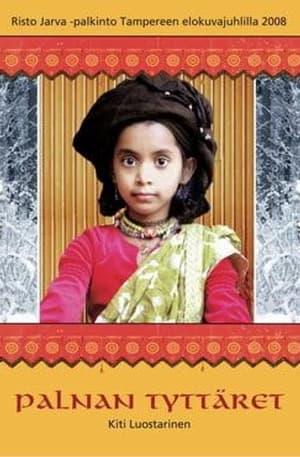
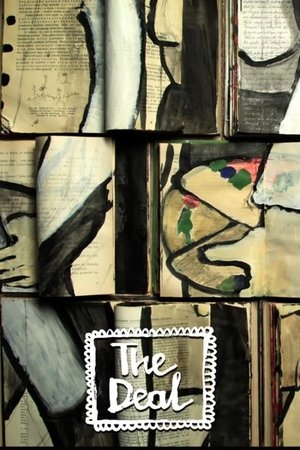
Stop-motion animation on the arranging of marriages in 1950/60s set in the Eastern-Polish borderland. The script is based on a part of Mikołaj Smyk's diary, the director's grandfather. The biographical objects used in the animation, such as an authentic headscarf, Polish and Russian books, the copy of Mikołaj Smyk's diary and photographs help situate the story in its original environment.
Rosemarie Blank made this film, which focuses on women aged around fifty, in collaboration with the organisation VIDO (Dutch: Vrouwen in de Overgang/Women in the Menopause). An all but invisible group of housewives who have spent their lives putting themselves last to ensure that their husbands and children can reach their full potential.
Using home videos recorded by her voice coach, Diana takes us through the story of her life.
Things That Go Bump in the Night: Tales of Haunted New England takes you on a journey throughout historic New England collecting tales of the supernatural, the unexplained, and the mysterious — spooky stories of ghosts, spirits, witches... and even a vampire!
Documentary film about Tony Halme, masculinity and populism. The film follows how Tony Halme created a mythical, highly masculine freestyle wrestling character, The Viking, who gained fame both in the ring and in the public eye and eventually became captivated by it. With his brash speeches, Halme fired the starting shot for the rise of the Finns Party. The voice of a forgotten section of the population, a protest against the ruling elite, were the building blocks of Halme's popularity. Halme's great popularity has served as a good example of a populist figure, admired within the deep ranks of the nation, who comes from outside the political elite and changes the direction of politics. Also, despite - or perhaps because of - his openly racist statements, he was part of changing the political climate in Finland to a more acrimonious one.
Thomas Haemmerli is about to celebrate his fortieth birthday when he learns of his mother's death. A further shock follows when he and his brother Erik discover her apartment, which is filthy and full to bursting with junk. It takes the brothers an entire month to clean out the place. Among the chaos, they find films going back to the 1930s, photos and other memorabilia.
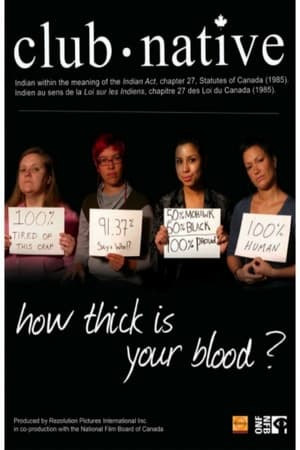
With moving stories from a range of characters from her Kahnawake Reserve, Mohawk filmmaker, Tracey Deer, reveals the divisive legacy of more than a hundred years of discriminatory and sexist government policy to expose the lingering "blood quantum" ideals, snobby attitudes and outright racism that threaten to destroy the fabric of her community.
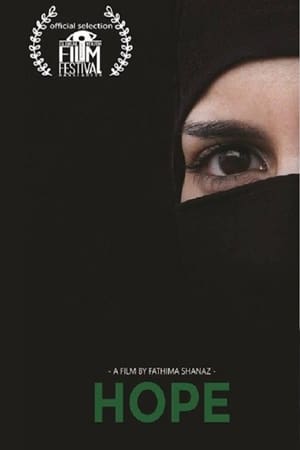
Child marriages have been an unnoticed reality in some sections of the Muslim community in Sri Lanka. This film tells the story of Fatima, a 16-year old school girl, who is set to marry a man far older than her. Not only her right to education is denied but her consent to marriage too. Until she accidentally meets her future husband, she has not even seen him. She is caught up between her hopes and the reality of her destiny.
Filmmaker Jonathan Caouette's documentary on growing up with his schizophrenic mother -- a mixture of snapshots, Super-8, answering machine messages, video diaries, early short films, and more -- culled from 19 years of his life.
A Valentine's Day story about a young couple, how they get together, and how they fall apart. All because of one tree.
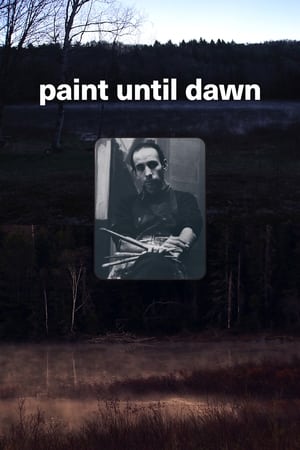
Seeing is to painting what listening is to politics. Survival as an artist demands both. Paint Until Dawn is a documentary on art in the life of James Gahagan (1927-1999), who painted all night to push the limits of vision. His life and thought reveal a correlation between art and activism through an interesting angle: the creative process itself.
Marriage and sexuality is examined through the lens of screenwriter Dr. van de Velde, a Dutch gynocologist.
Personal experiences of Northwest Ohio residents during the January 1978 blizzard that disrupted daily activities. Stories include the helicopter rescue of an expectant mother, effects on emergency services, and methods people used to survive without electricity and heat.
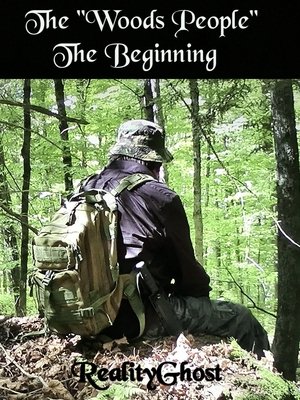
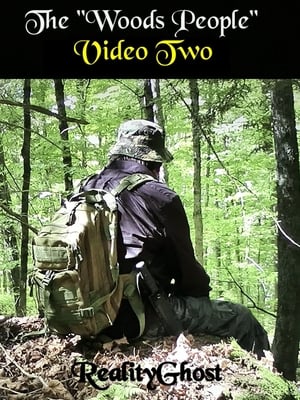
Rick Dakotah investigates the "Woods People" of Vermont. "I have spent many years in some forest or another. I feel the best when I am out and about. Nature to me is "Love". I feel as though life is fair and one can get respect by respecting the other creatures of the forest. I stumbled into this research while filming my adventures. The "Woods People" are what I call them...Bigfoot to White Hairy Beings, UFO's, and more..."
Rick Dakotah continues his investigation of the "Woods People." "The woods people are dragging me further into their world. I spend most days out in the forest and mountains tracking the creatures. This is video two of the story. Do I believe in Sasquatch/Bigfoot? Yes I do but I don't really know what they look like. I have had actual visuals but the mind makes it hard to understand and tries to make something it doesn't understand...understandable."
A film about a theatre performance and four very notable people behind it: writer and director D. Jovanović, actress M. Zupančič and actors R. Polič and B. Cavazza. This is a story of a love triangle and of a multi-layered, entirely overt intertwining of protagonists’ public artistic personas and their personal lives. The film documents a 4-month process of the making of a theatre piece from the first rehearsal to the opening night, at the same time uncovering the intimate lives of the artists and telling a universal story of the relationship between the real and the imagined, a story of personal and public perceptions of art.
Replikas, online chatbots, have trouble determining their place in the world. They share their thoughts with the humans they exchange with. Events unfold from their point of view through real conversations collected on the web.
After an attempt to bring Syrian refugees into the predominately white New England town of Rutland, Vermont, unleashes deep partisan rancor, a longtime Rutland resident emerges as an unexpected leader in a town divided by class, cultural values, and divisive politics.
In 2008 French filmmaker Julie Gali traveled to the US to film the election of Barack Obama. In spite of this victory for civil rights, it soon became apparent that the rights of another minority were under threat. In California the passing of Proposition 8 marked the only time in U.S. history that a civil right was actually taken away after it had been granted. Upon seeing this, Ms. Gali decided to immerse herself in the growing grassroots struggle of the gay community, which culminated in the October 11, 2009 March for Equality in Washington DC.
Following a year in Cadance and Amanda's gender transition, this intimate documentary charts not only their personal transformation but the building of a life and community together in regional New South Wales.