Tenkrát 2 – Šance pro Slovensko
Tenkrát
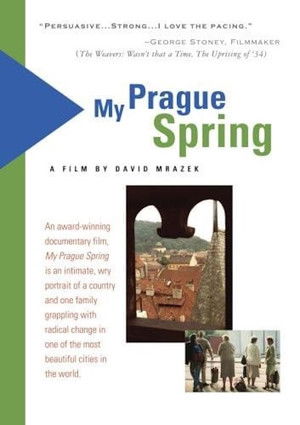
In its "velvet revolution" of 1989, the people of Czechoslovakia toppled its communist dictatorship and embraced democracy and capitalism. By January 1993, the country had peacefully split in two. In the early 1990s, thousands of American college graduates began flocking to Prague, where they could postpone entering the "real world," and live cheaply in a beautiful undiscovered European city. Throughout that decade more and more tourists crossed the statue-lined Charles Bridge in search of old world beauty previously hidden by communist isolation. But what of the people who cross the Charles Bridge on their way to work every morning? Who are the Czechs? What is their history? What is their future? My Prague Spring is an award-winning film that vividly humanizes a resilient people who have survived a tumultuous history. In the spring of 1990, a Czech-American filmmaker spent four months living with his Czech relatives, and opened an intimate window into an uncertain world.
Jaromír Jágr
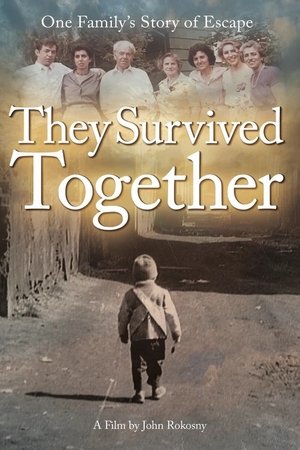
The Neiger family was living a peaceful life in the Jewish community in Krakow when the arrival of World War II changed their lives forever. When Nazi soldiers forced the family from their home into the harsh life of the Ghetto, they made a vow to escape as a family. But when circumstances forced the family to separate from older brother Ben, their will to survive was put to the test. They Survived Together" is the incredible, true story of one family as they desperately tried to stay alive... and together as a family with four small children, attempted to escape certain death at the hands of the Nazis. They are believed to be one of the only families to escape and survive as a family.
Marie Rottrová: To mám tak ráda
Pohřbené naděje
Zima v Československu
Oľga Ondreičková is one of the exceptional figures of the first generation of Slovak architects. Her work is characterized by pragmatism, simplicity, and monumentality. Her husband is architect Pavel Ondreička, with whom she collaborated on several projects, as well as on the design of furniture, interiors, and artistic decorations. At the height of her career, Oľga Ondreičková led her own project team, which was rare for a woman at that time.
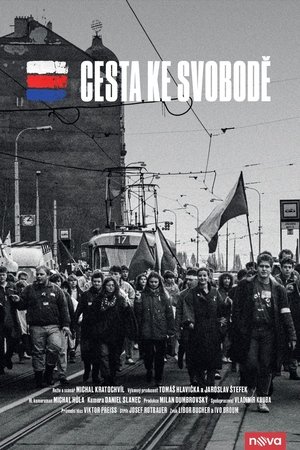
Cesta ke svobodě
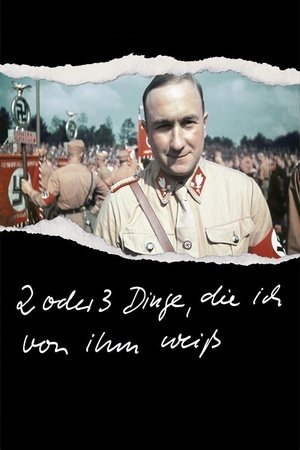
What would your family reminiscences about dad sound like if he had been an early supporter of Hitler’s, a leader of the notorious SA and the Third Reich’s minister in charge of Slovakia, including its Final Solution? Executed as a war criminal in 1947, Hanns Ludin left behind a grieving widow and six young children, the youngest of whom became a filmmaker. It's a fascinating, maddening, sometimes even humorous look at what the director calls "a typical German story." (Film Forum)
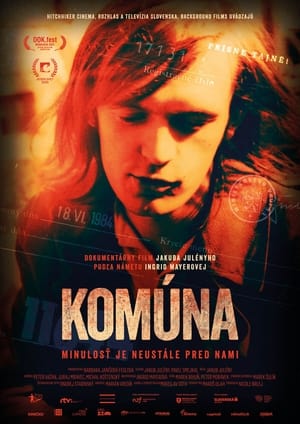
The desire for freedom during Czechoslovakia’s Normalization period brought together people professing a deep inclination towards principles of the underground movement. Now, decades later, they can’t face their mutual suspicions of betrayal – of having cooperated with the state security police. Drifting throughout is the memory of their tragically departed guru, philosopher and poet Marcel Strýko. To try to come to terms with the past, an old companion from Prague organizes a revival concert in a Gothic cathedral. Will this reunion of freethinkers finally lead to repentance and forgiveness?
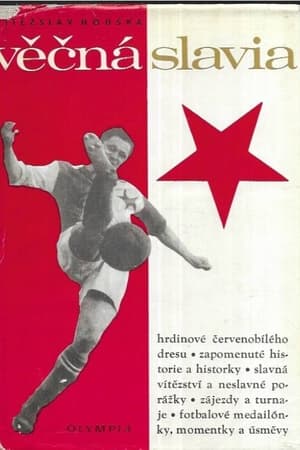
Věčná Slavia
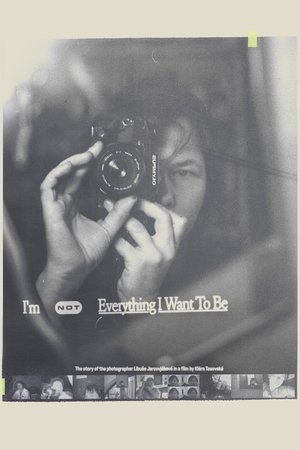
After the Soviet invasion of Czechoslovakia in 1968, Libuše Jarcovjáková, a young female photographer, strives to break free from the constraints of Czechoslovak normalization and embarks on a wild journey towards freedom, capturing her experiences on thousands of subjective photographs.
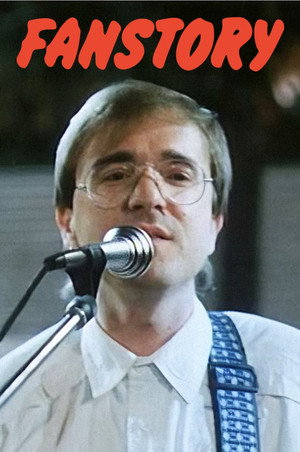
Fanstory
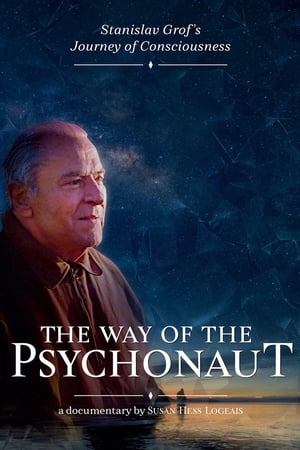
The Way of the Psychonaut explores the life and work of Stanislav Grof, Czech-born psychiatrist and psychedelic psychotherapy pioneer. Stan’s quest for knowledge and insights into the healing power of non-ordinary states of consciousness, influenced the discipline of psychology and profoundly changed many individual lives. One of those transformed by Stan is filmmaker Susan Hess Logeais. The documentary utilizes Susan’s personal existential crisis as a gateway to Grof’s impact, from the micro to the macro.
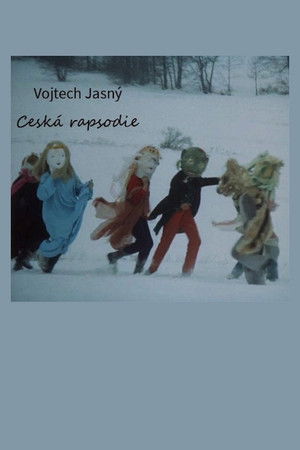
Essay film from Czech director Vojtech Jasný on his home country.
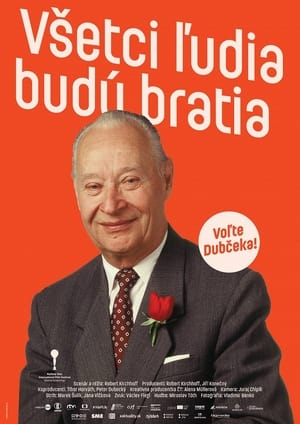
A film about the phenomenon of Alexander Dubček, a Czechoslovak politician, one of the most prominent personalities of the Prague Spring of 1968, author of the concept of “socialism with a human face”.
The Flying Fercos delves into the lives of a family who shared their home-and their stage-with over 20 lions, tigers, and panthers.
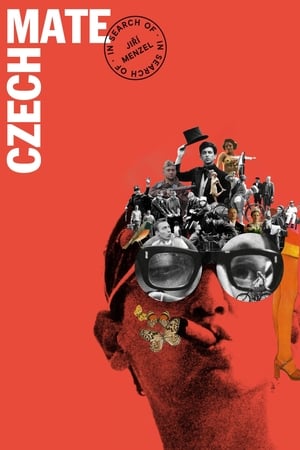
An epic exploration of the Czechoslovak New Wave cinema of the 1960s and 70s, structured around a series of conversations with one of its most acclaimed exponents - Closely Observed Trains director Jiří Menzel.