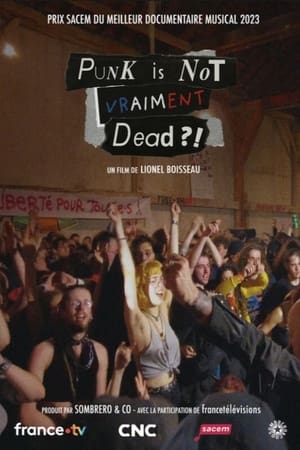
Punk is not vraiment dead ?!
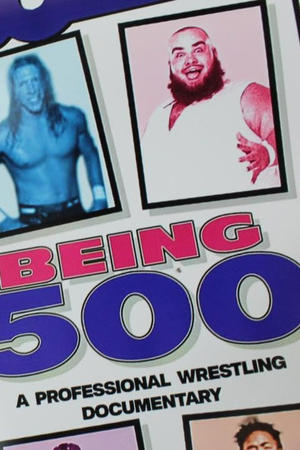
Every year, Pro Wrestling Illustrated magazine puts out a list of the top 500 wrestlers in the world. This is the story of number 500, the worst of the best. The pain of professional wresting meeting the reality of life.
This 1981 video magazine “For the Man Who Wants More…” contains Monte Hellman’s short portrait of Francis Ford Coppola discussing business and craft at home and on the set of his Zoetrope Studios, “Inside the Coppola Personality” (aka “Coppola: A Profile”). Also inside is “Modesty”, a self-portrait by Bob Rafelson, shot by Bruno Nuytten; a portrait of a pubic hair dye specialist; a travelogue on Bangkok; a candid camera with a planted hussie at a gas station. a.o.
La bande à Fifi : plus besoin d'Alibi
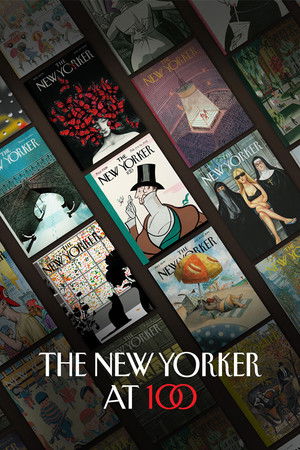
Hard-hitting journalism. Era-defining fiction. Witty cartoons. The New Yorker marks its 100th anniversary with this look at its past, present and future. The New Yorker's centennial reveals behind-the-scenes access to editors, writers, and archives of this culturally vital magazine, one of print's last survivors.
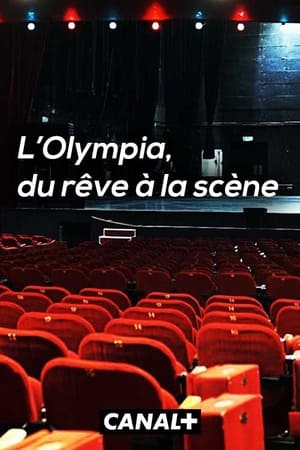
L'Olympia, du rêve à la scène
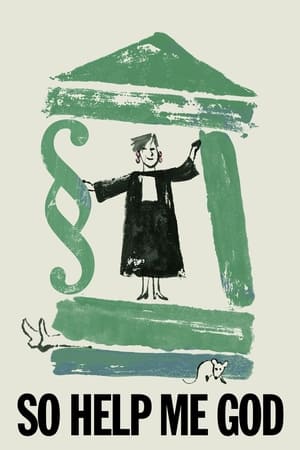
Some 20 years ago, two sex workers were murdered in an upper-class Brussels neighborhood. Celebrated Belgian magistrate Anne Gurwez decides to revisit this cold case, pouring over the evidence with the use of new technologies and tracking down then-suspects.
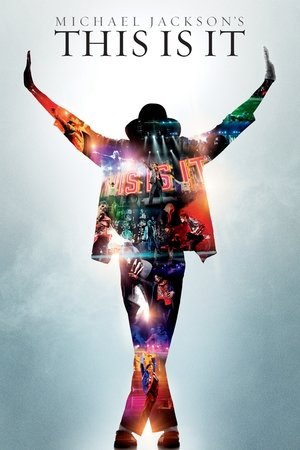
A compilation of interviews, rehearsals and backstage footage of Michael Jackson as he prepared for his series of sold-out shows in London.
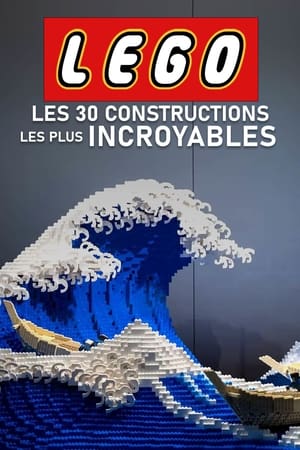
Lego : Les 30 constructions les plus incroyables
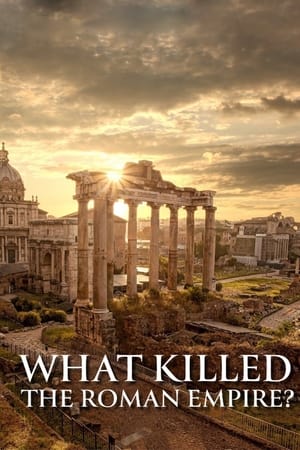
Why did the Roman Empire, which dominated Europe and the Mediterranean for five centuries, inexorably weaken until it disappeared? Archaeologists, specialists in ancient pathologies and climate historians are now accumulating clues converging on the same factors: a powerful cooling and pandemics. A disease, whose symptoms described by the Greek physician Galen are reminiscent of those of smallpox, struck Rome in 167, soon devastating its army. At the same time, a sudden climatic disorder that was underway as far as Eurasia caused agricultural yields to plummet and led to the westward migration of the Huns. Plagued by economic and military difficulties, attacked from all sides by barbarian tribes, the Roman edifice gradually cracked.
L'heure de l'école
Electronic Gaming Monthly (EGM) was a videogame magazine that started in 1989 and lasted (sporadically) until summer of 2014. This feature documentary involves many people from its heyday, from starting up to its eventual selling to Ziff Davis and how that affected the tone of the magazine.
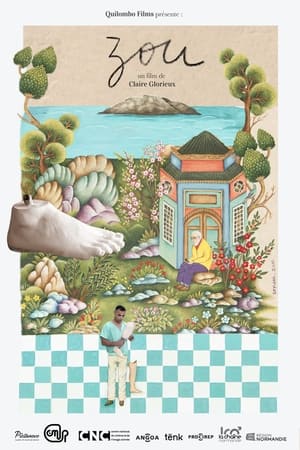
Zou tells the story of a man with a missing leg who moves forward more intensely than an able-bodied man. The amputated leg, a phantom limb that he can still move in his mind, is the pivotal point of this story. At the same time a trace of the war that made him lose most of his family members and forced him to flee his country, at the same time a brake on his exodus that made walking painful and more laborious than any of his fellow travelers, it is also the fulcrum for his integration into a new territory.
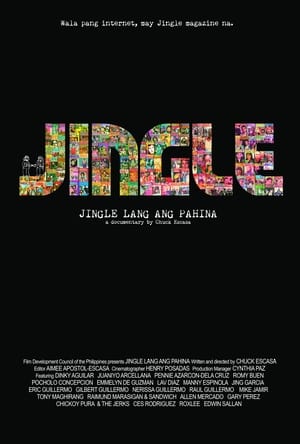
Jingle Chordbook Magazine, first published in 1970, promptly taught a generation of Filipinos to play the guitar. Its story also explores how a small independent publication survived the weight of its time – the dark Martial Law years – and how it inspired the Filipino youth to think for themselves and wield the guitar like a weapon. The documentary “Jingle Lang Ang Pahina” tells the story of Jingle, its ragtag crew, and its loyal fans in a rambling, multi-layered narrative told in different voices and perspectives by the writers, artists, fans, collectors, musicians, freaks.
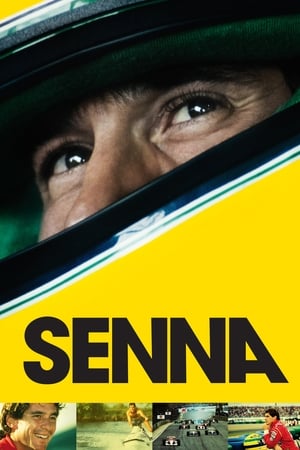
The remarkable story of Brazilian racing driver Ayrton Senna, charting his physical and spiritual achievements on the track and off, his quest for perfection, and the mythical status he has since attained, is the subject of Senna, a documentary feature that spans the racing legend's years as an F1 driver, from his opening season in 1984 to his untimely death a decade later.
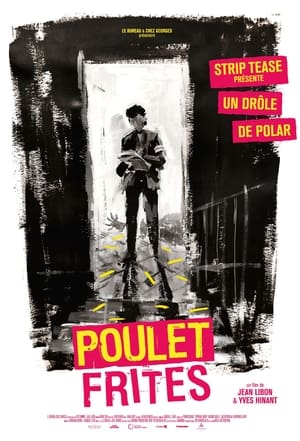
For several days, a team of police officers (backed by Judge Anne Gruwez, the revelation from their previous So Help Me God) sift through the evidence in a murder case that’s tougher than it appears. Jean Libon and Yves Hinant lead a police investigation unlike anything you’ve ever seen. With every banal turn of events, camaraderie and professionalism go hand in hand as humour meets tragedy and a handful of fries, a Tupperware container and St. Rita heighten the suspense. Hilariously scathing, yet filled with tenderness.
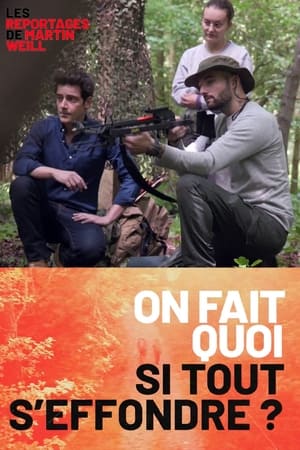
Martin Weill - On fait quoi si tout s'effondre ?
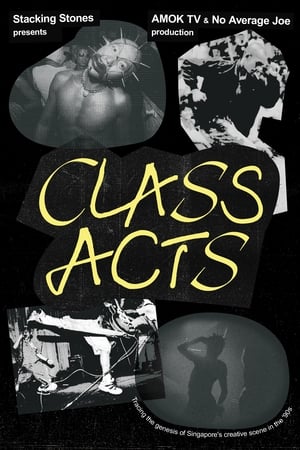
Class Acts is a feature-length documentary tracing the genesis of Singapore's creative scene in the '90s through intimate conversations with its pioneering personalities. These are the stories of individuals who started creating with nothing, who push Singapore’s creative standards even today. The ones who went on to inspire a new generation of musicians, designers, and street artists.
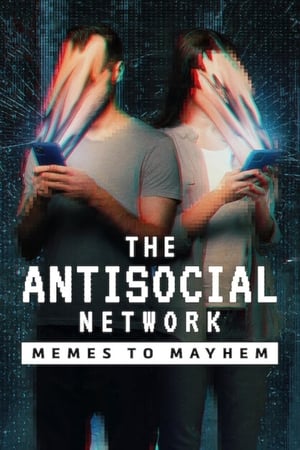
From Rickrolling to viral conspiracy theories, explore how an anonymous website evolved into a hub for real-world chaos in this documentary.
Gilles Groulx's first film shot in 1955 with a camera borrowed from his brother and edited during his spare time when he worked as an editor at the Radio-Canada news service a few years before he joined the NFB. Silent film, presented as its author left it, where the soil and the dialectic of Groulx's work are already there: documentary realism, the social space to be explored, daily life, the relationship between individual and society, social disparities, the consumer society, seduction and happiness.