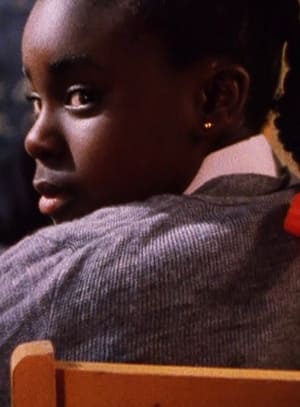
"A story of a Windrush generation girl who came to Britain in 1960 from the Caribbean. Adapted from the book Coming to England [by Floella Benjamin], which was written for children everywhere." - BBC.
A charming story about a West Indian girl who moves to 1950s London. Marcia has spent most of her 11 years living with her Jamaican grandmother but is sent to damp, dark London to start a new life with her parents. Missing her gran terribly, Marcia is surrounded by bullying schoolgirls, racism on TV and a jealous younger brother... Only her favourite pop star will help her feel at home. Concrete Garden is a wonderfully observed graduation film from director Alrick Riley. With warm performances from a young cast and exquisite detail in the production design, this tender short film powerfully evokes the trials and tribulations faced by kids settling in 1950s Britain.
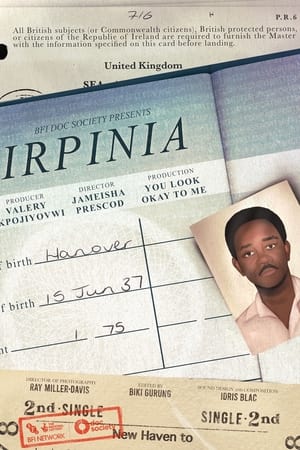
Irpinia follows the journey of young West Indian dreamer Dudley as he makes his way to England in the 1960s. At 24 years old, Dudley boarded a ship named Irpinia in search of a better life in England, the so-called motherland. Now 86, Dudley reflects on the exciting journey at sea and the harsh reality that lay ahead of him.
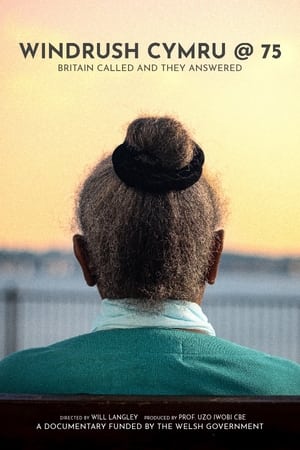
Will bring together stories that celebrate their contributions to British life and culture, as well as shedding light on the reality of the struggle many faced to gain citizenship despite having lived and paid taxes in the UK for many years as a result of what became known as the Windrush scandal.
A documentary featuring the stories and lived experiences from the Windrush generation in Wales. Through personal narratives, it explores their remarkable journeys, challenges and contributions to Welsh society.
Based on the novel by Güzide Sabri Aygün, the film tells the relationship of a mentally-ill woman and the doctor whom she loved in her youth.
In "The Bride with the Black Veil" (1975), director Süreyya Duru continues to focus on social issues, exposing problems of the peasants and feodal relations.
A Russian Police Major is enlisted by the LAPD to help solve a series of gruesome murders perpetrated against young women by a sadistic sociopathic killer on the mean streets of Hollywood.
Based on Yılmaz Güney's script and filmed in semi-documentary style, the movie provides a fresh perspective on the history of labor issues in 1970s.
The film traces the destiny of Kapila, an outcast child who had been deemed by his fellow villagers to have supernatural powers of destruction, because of the timing of his solar eclipse birth.
A brothel disguised as a teahouse is staffed with old ladies long past their prime. However, things begin to change and become chaotic when the owner takes in a young girl.
With the help of his assistant Anja, Ottocaro Weiss intends to put the plague on stage: circumstances beyond his control and a lack of fresh talent have forced him to close down his flea circus. For Weiss, the plague means the «extinction of everything that makes life miserable and low and freedom along with it. Unbeknownst to him, he has won the support of a patron who is of the exact opposite opinion: for Johannes Wagner, the plague is an organising principle, and, aided by his agent Moosbrugger, he is able to smuggle a new number onto the programme. Whereas Ottocaro Weiss means to represent the plague theatrically, what appears on stage is the scientific reality of the rat-borne infestation.
Director Jeff Chan re-made the classic viral video 'Charlie Bit My Finger' in a horror film style.
The film tells the story of Pir Sultan Abdal, a famous folk poet in Turkey, who criticized some Ottoman governors, Hizir Pasha in particular and as a result was hung by him.