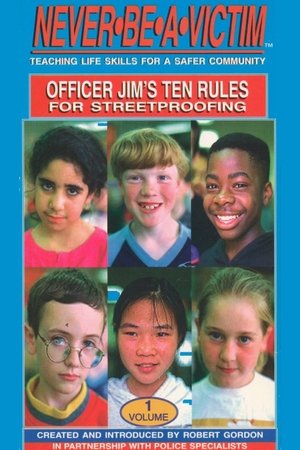
Teaching children how to avoid victimization. Included: dramatic re-creations of potentially dangerous situations; tips for dealing with confrontations with gang members; strangers; and intruders. Sanford Strong hosts the program
You're asking for trouble when you play with fire - and this public information film is the stuff of nightmares.
An educational short made by the New Zealand National Film Unit for the National Mountain Safety Council to promote awareness of bush safety.
Enxame
This short cautionary training film examines dangers associated with earthmoving equipment operation, showing many simulated accidents on construction sites.
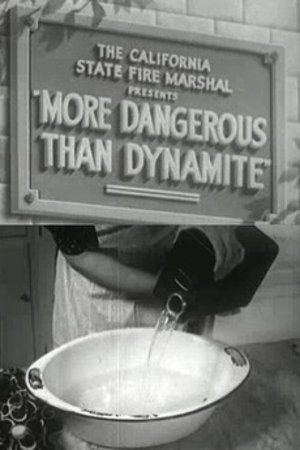
A short film warning the unaware housewife of the dangers of “dry cleaning” with gasoline at home.
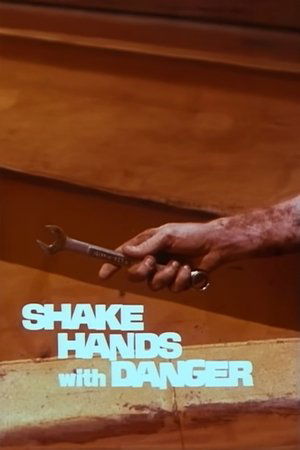
A more experimental aproach to labor protection films. In the line of Săucan's style, the soundtrack is as important as the image, the threatening music, full of shrillness, composed by Ion Dumitrescu potentiating the visual construction that mixes - in a montage reminiscent of the Soviet avant-garde school of the 1920s - all kinds of shooting techniques and frame combinations.
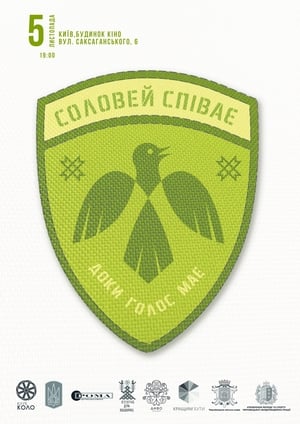
The movie explores the origin of the Ukrainian language and persecution of those who defended its authenticity. Using examples of other countries, creators of the film prove that a nation cannot exist without a language.
Dramatizes the plight of a young adventure seeker whose canoe is capsized by a wall of water during a flood. Shows community flood preparations, pointing out that a flood's predictability usually allows ample warning time to save lives. Designed to stimulate discussion on civil preparedness for floods
Intercuts scenes from Jack London's To build a fire with modern urban and rural winter scenes to point out the dangers of winter storms and low temperatures. Designed to stimulate discussion on civil preparedness for winter storms.
The film highlights the dangers of extreme heat and the importance of staying hydrated and cool. It portrays a conversation between two friends, one of whom insists on playing basketball despite the oppressive heat. The narrative emphasizes that heat-related illnesses can be avoided by recognizing the body's signals and taking necessary precautions, such as drinking water and staying indoors. The film concludes with a report of record-breaking temperatures, underscoring the seriousness of heat exposure.
The Defense Civil Preparedness Agency began an informational campaign in 1972 called Your Chance to Live. As part of the campaign, a series of films was released along with a companion book. Each installment covers a different disaster scenario, including tornadoes, blizzards, earthquakes, forest fires, blackouts and a nuclear disaster. The California Department of Education helped produce the films and hosted a workshop of educational professionals to discuss the best ways to present the desired emergency preparedness information to school age audiences. The process was filmed and assembled, along with clips from each production, and distributed as an Instructor's Guide in 1975.
Motorrad fahren - Gut und sicher
Laura Green, 63, wakes up every morning and keeps skiers safe through backcountry avalanche forecasting and avalanche mitigation at Mt Hood Meadows resort. When Laura’s dear friend is caught in an avalanche, suddenly these dangers hit close to home. Director's note: On December 6, 2018, Laura Green lost her life in a windsurfing accident. She never had the chance to see this film. This story is dedicated to Laura and all she has done for mountain culture and public safety in the Pacific Northwest.
Shows the safety hazards three boys encounter when they leave school. Pictures how they learn proper safety procedures to cope with several situations.
Emphasizes the importance of wearing galoshes, being alert when crossing streets and dressing properly in winter. Also stresses safe sledding, throwing snowballs in proper places and ice skating cautiously.
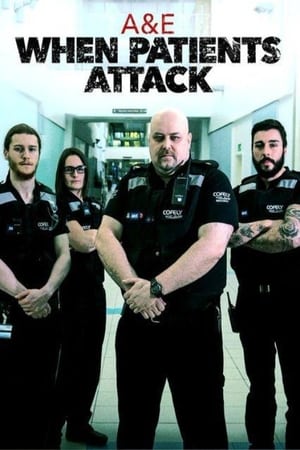
Hospital staff are reporting more violence and anti-social behaviour than ever before. In 2015, 8 staff were assaulted every hour – a new record high. At The Queen Elizabeth Hospital in Birmingham – one of the UK’s biggest hospitals – they think they have the answer. Here a private security force of 46 uniformed guards, and a sophisticated CCTV system, keep staff and patients safe. A colourful mixture of characters ranging from ex-soldiers, to bouncers, to former elite sportsmen, it’s the security team’s job to keep the hospital running smoothly. With more than 2 million visitors they have to deal with all aspects of crime and anti-social behaviour. All against a back drop of life changing and life saving procedures.
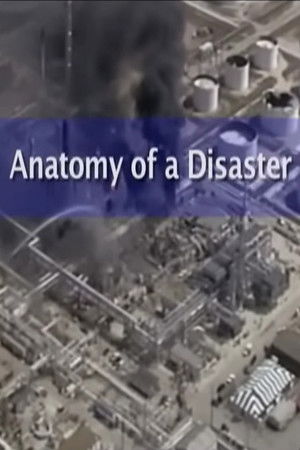
This U.S. Chemical Safety Board (CSB) video uses expert testimony and computer-animated reenactments to describe and discuss its detailed investigation into the March 23 2005 explosion of the ISOM (isomerization) unit at the BP (British Petroleum) refinery at Texas City, Texas. The explosion killed 15 workers, injured 180 others, and cost BP billions of dollars.
Tragedy struck when the Space Shuttle Challenger disintegrated just 73 seconds into flight. Hours earlier, engineers argued to cancel the launch, amid fears of such a tragedy – so why did it go ahead?
Concorde was an icon of the skies, but on 25 July 2000, Air France Flight 4590 left Paris for New York and caught fire during take-off before crashing to the ground just over a minute later, killing everyone on board. The tragedy brought an end to the dream of supersonic passenger flight. But what caused the disaster? Investigators, survivors’ loved ones and those who examined the wreckage recall the tragedy and describe how the evidence led to a shockingly simple conclusion about what went wrong.