The history of Edward Cornwallis, the founder of Halifax, and the modern day controversy surrounding his statue.
"You who enter, leave all your hope behind." Själö was Finland's first mental hospital. The hospital opened in 1622. Intended for those suffering leprosy. But Själö hospital also had a secret ward. A house for the insane. The ungodly and mentally ill were deposited here forever and their property fell to the church. In 1889 Själö became a storage area for women with "unbearable insanity".
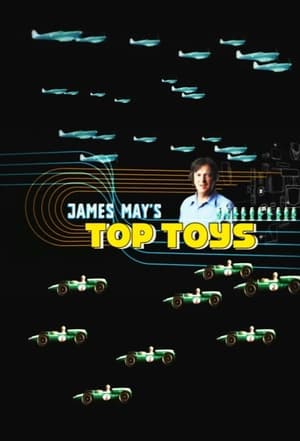
James May presents a celebration of the toys which have survived across the decades, including Meccano, Lego, Scalextric and Airfix. James's all-time number one is the train set.
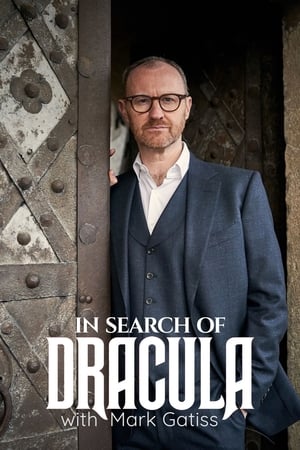
Mark Gatiss explores and celebrates Dracula, an icon of popular culture, asking just why we keep coming back to the count.
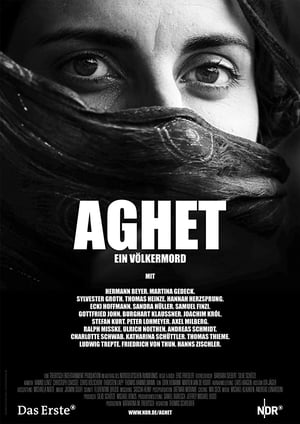
2010 documentary film on the Armenian Genocide by the Young Turk government of the Ottoman Empire during World War I. It is based on eyewitness reports by European and American personnel stationed in the Near East at the time, Armenian survivors and other contemporary witnesses which are recited by modern German actors.
The film Crustaceans treats itself like an impressionist picture or a Japanese Haiku. Crustaceans is a matter of reflection on an instance in life with the social-economical crisis as a landscape. The heartbreak in times of crisis. The film was filmed as demonstrations in the streets against crisis and social welfare cuts took place. For two years, it filmed street demonstrations and incorporated actors in the social landscape. The result, is a film in which the collective and the intimate come together. Both the characters and the people in the street, like identical crustaceans, take to the street to express their shame and rage for what is happening and try to find a solution. A time of anxiety, uncertainty and protest that conforms the landscape in which the characters, such as crustaceans hide their wounds under their hard shell is seen.
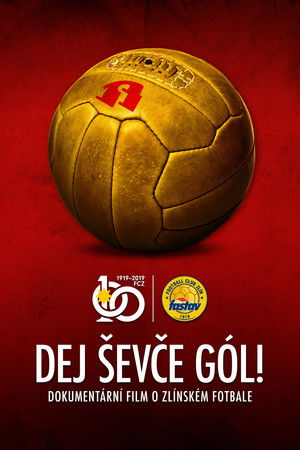
Dej ševče gól!
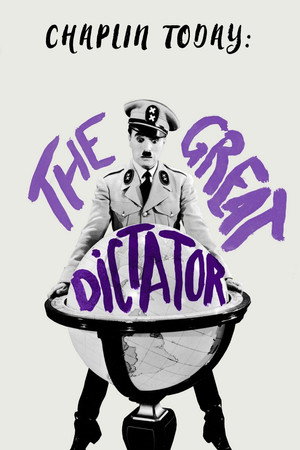
A short documentary about the making of "The Great Dictator."
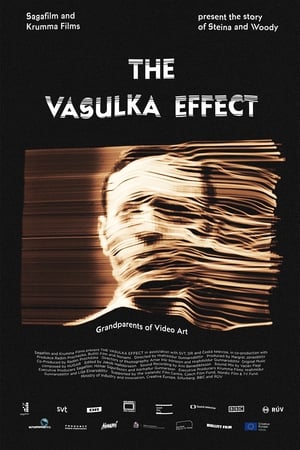
The opening of The Vasulka Effect couldn’t be more apt: Steina Vasulka addresses her husband Woody through various TV screens. He does the same and replies. A perfect image of the relationship between the free-spirited, groundbreaking pioneers of video art. After meeting in Prague in the early 1960s, they relocated from Czechoslovakia to New York, where they later founded The Kitchen, their legendary art and performance gallery.
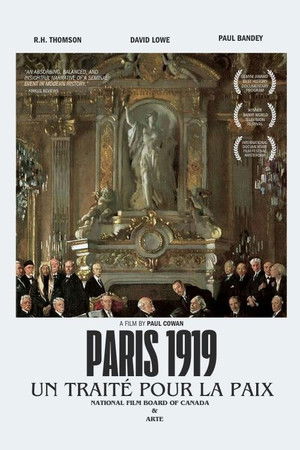
The last shots had been fired in the First World War — but peace had yet to be made. Inspired by Margaret MacMillan’s acclaimed work of popular history, Paris 1919 takes us inside the most ambitious peace talks in history, revisiting the event with a vivid sense of narrative. Evoking a pivotal moment when peace seemed possible, director Paul Cowan reflects upon the hard-learned lessons of history.
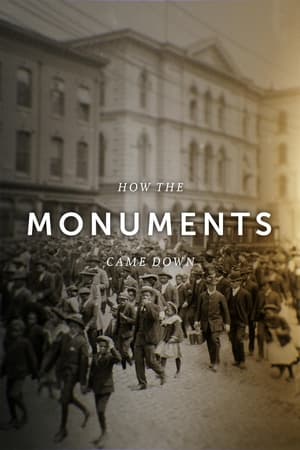
How the Monuments Came Down is a timely and searing look at the history of white supremacy and Black resistance in Richmond. The feature-length film-brought to life by history-makers, descendants, scholars, and activists-reveals how monuments to Confederate leaders stood for more than a century, and why they fell.
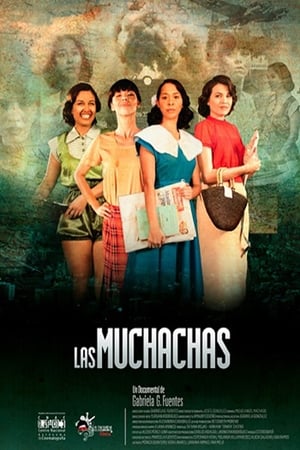
Four lucid grandmothers tell their story forgotten by history: the militancy and resistance of the young women of the leftist youth against the dictatorship of Marcos Pérez Jiménez.
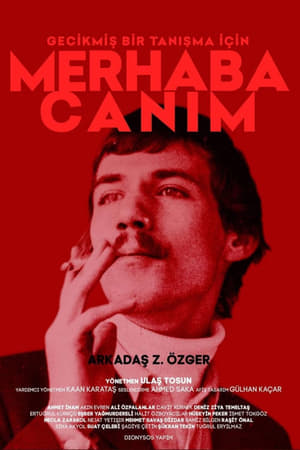
The documentary is titled after Arkadaş Z. Özger’s poem “Hello My Dear” which had caused much controversy in the period it was first published. Considered to be in defiance of heteronormativity, the said poem includes references to the poet’s personality, his family, his relationship to the society, and his “unexpected” death, which came three years after its publication. Today, 50 years after it was written, the documentary follows these same lines in the poem utilising cinematic elements. The documentary also rediscovers the poetics; reaches out to the family, the comrades, the friendships, departing from the official historical accounts, cognizant of his experience of otherness, in pursuit of the “lost” portrait of Arkadaş Z. Özger.
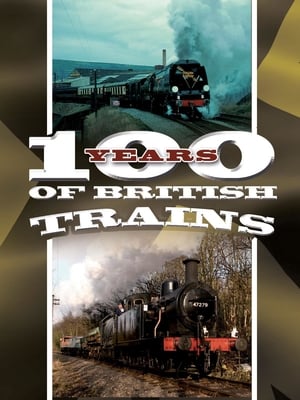
A fascinating compilation tracing the development of British trains throughout the 20th century. This program provides a record of the greatest days of steam; the magnificent express engines developed by the 'Big Four' - the GWR, SR, LNER, and LMS; many famous named trains like the Golden Arrow and the Brighton Belle, the War and Nationalism; and the amazing variety of elder locos from the 1950's.
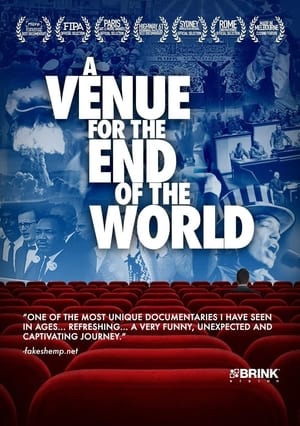
Haunted by uncanny similarities between Nazi stage techniques and the showmanship employed by modern entertainers, a filmmaker investigates the dangers of audience manipulation and leader worship.
A Documentary on the railways and their role in supporting the United States
The story of the most famous train in the world
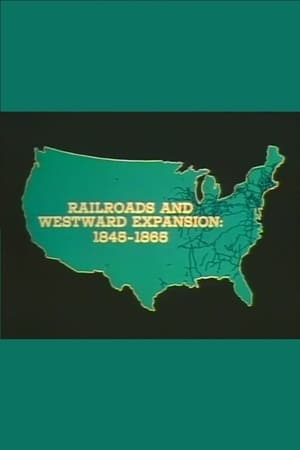
A BFA Educational media production on western expansion via railroads and the role they played in the foundation of the Americas
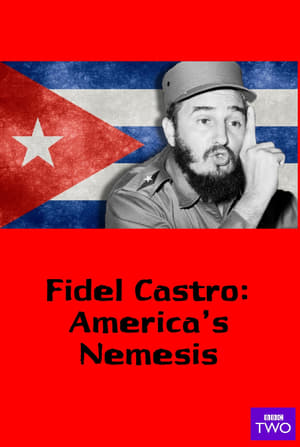
Fidel Castro, the former President of Cuba and one of the most controversial figures of the 20th century, passed away in November. He famously claimed that "history will absolve me", but will it? This special film considers Castro and his legacy.
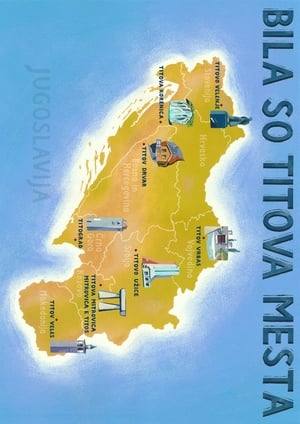
Following the death of Josip Broz Tito (1892–1980), one city in each of the six republics and two autonomous regions of the Socialist Federal Republic of Yugoslavia had the honour to be named after the long-serving president. Having been chosen due to leftist ideas, proletarian character, industrialisation, urbanisation and modernity, they were often privileged. Now located across seven countries, not one of these cities is still named after Tito. We learn the stories of these cities from their residents who look back at the period under Tito’s name. Many of these stories are tragic since the majority of cities have been touched by war.