Marko Röhr's film crew takes the viewer to Europe's last unexplored area: Iceland's unique underwater world. We explore the geysers of boiling waters and the crystal clear lakes off the coast of Iceland. We dive under the icebergs, into the tears between the continental plates and into the deep caves.
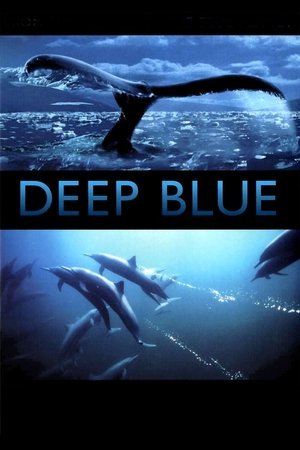
Deep Blue is a major documentary feature film shot by the BBC Natural History Unit. An epic cinematic rollercoaster ride for all ages, Deep Blue uses amazing footage to tell us the story of our oceans and the life they support.
A Tainha e a Onda
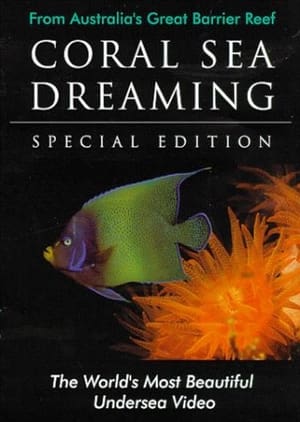
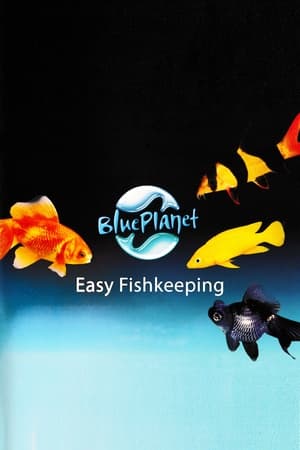
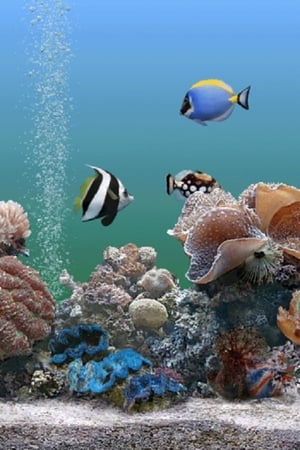
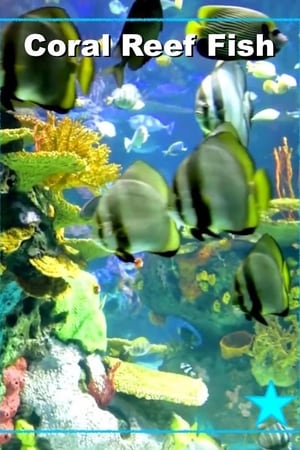
Fascinating species bursting with color Gentle, meditative ocean water bubble away as exotic fish swim to the soft sounds of piano and strings. In this video, over 700 salt water fish will glide and drift across your screen. No feeding, no water testing and no clean up. It's as simple as hitting play on your DVD. Fascinating species bursting with color like you've never seen. Kick back and float along in the tidal pools of your very own trouble-free T.V. Aquarium. Turn your television into a coral reef teeming with underwater life.
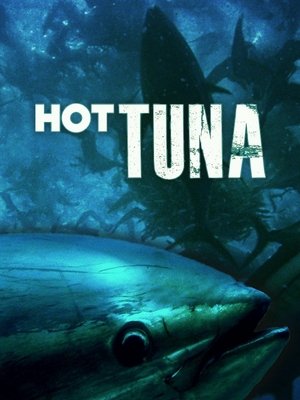
The underwater cinematographer, Rick Rosenthal follows the threatened Bluefin Tuna in their search for a safe refuge along the Atlantic.
Sit back, relax and dive into the spectacular undersea world of the Great Barrier Reef. Discover crystal-clear video, cool Dolby Digital music, exotic fish of every color of the rainbow. No words, just 83 minutes of great original music, stunning images, 300 creatures in their natural habitat, body surfing dolphins!
A 3-D documentary chronicling a sea turtle's journey across the oceans.
Ice (Baraf) is essential to almost every step of the fishing supply chain at Sassoon Docks, Mumbai's largest fish market, and this short documentary takes you through a day in the life of the workers responsible for it.
Before leaving for Rome with his mother, five year old Natan is taken by his father, Jorge, on an epic journey to the pristine Chinchorro reef off the coast of Mexico. As they fish, swim, and sail the turquoise waters of the open sea, Natan discovers the beauty of his Mayan heritage and learns to live in harmony with life above and below the surface, as the bond between father and son grows stronger before their inevitable farewell.
The Indonesian archipelago in the Indo-Pacific Ocean comprises thousands of islands, atolls and the largest concentration of coral reefs in the world. This rich and varied environment is a product of a unique set of natural circumstances.
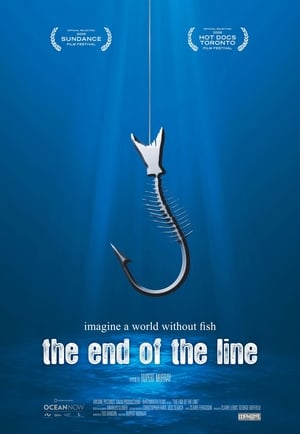
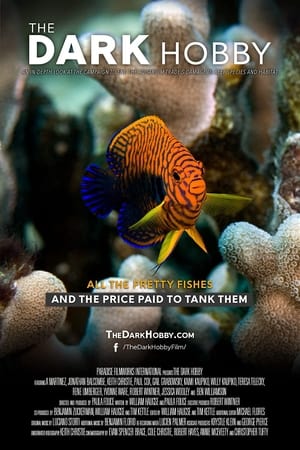
Examines the devastating effect that overfishing has had on the world's fish populations and argues that drastic action must be taken to reverse these trends. Examines the imminent extinction of bluefin tuna, brought on by increasing western demand for sushi; the impact on marine life resulting in huge overpopulation of jellyfish; and the profound implications of a future world with no fish that would bring certain mass starvation.
A baby pufferfish travels through a wondrous microworld full of fantastical creatures as he searches for a home on the Great Barrier Reef.
An ecological drama/documentary, filmed throughout the globe. Part thriller, part meditation on the vanishing wonders of the sub-aquatic world.
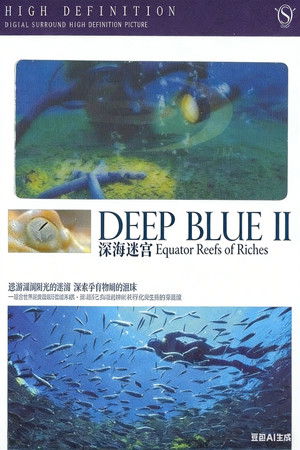
The Indonesian archipelago in the Indo-Pacific Ocean comprises thousands of islands, atolls and the largest concentration of coral reefs in the world. This rich and varied environment is a product of a unique set of natural circumstances. The equatorial sun powers ocean currents among the tiny dots of land. Where the archipelago meets the western tip of New Guinea an intersection of ocean currects creates perhaps the world's richest reefs - in the region of the Rajah Ampat Islands. A coral reef houses a myriad of colors, shapes and patterns: from the bulb tentacle anemone which protects, and in turn is protected by, the brightly coloured clownfish; to the multi-branched gorgonian, home of the tiny pygmy seahorses.
A quiet, quarantine special made from relaxing old footage and narrated by comedian Joe Pera, featuring trees, waterfalls, and Japanese monkeys.
Rick Rosenthal goes on a quest that plumbs the secrets of the legendary bluefin tuna. This fish can weigh up to 1,500 pounds and can move up to 50 miles per hour. Here he catches a bluefin tuna on camera.
How did your body become the complicated, quirky, amazing machine it is today? Anatomist Neil Shubin uncovers the answers in this 3-part science series that looks at human evolution. Using fossils, embryos and genes, he reveals how our bodies are the legacy of ancient fish, reptiles and primates — the ancestors you never knew were in your family tree.
Deep-sea diver/former propagandist Leni Riefenstahl explores the undersea world of coral reefs in various oceans around the world.
Gombessa Expedition 1 To dive for the Coelacanth is to go back in time. In 1938, when it was known only as a fossil, a Coelacanth was discovered in South Africa in a fisherman's net. This species bears witness to an evolutionary bifurcation 380 million years ago, and bears the marks of a great event: the day the fish left the ocean for the open air. Does it hold the secret to the transition to walking on land? In 2010, a marine biologist and outstanding diver, Laurent Ballesta, took the first photographs of the Coelacanth in its ecosystem. In April 2013, divers and researchers set down their equipment at the Sodwana base camp in South Africa, in the club founded by Peter Timm (who died in 2014). Six weeks of extreme diving at depths of over 120 meters, in an attempt to film the Coelacanth with a double-headed camera, collect its DNA and tag a subject with a satellite-linked beacon...
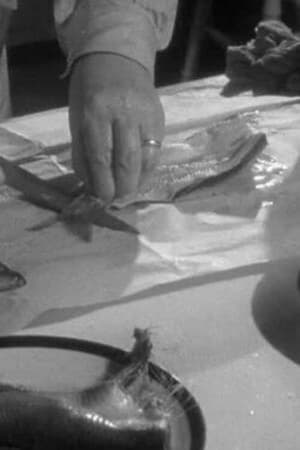
This informative herring aid from WWII makes no bones about the need to make the most of every fish.