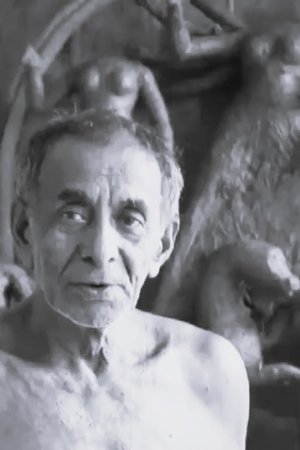
A modest tradition of making clay images existed in Bengal in pre-British times. These craftsmen originally “Potters” by caste became the core settlers of Kumartuli, which means “Potters Quarter”. “Documentation of Clay Image Makers of Kumartuli”s an attempt to understand their plight and Kumartuli’s contribution to one of the biggest festivals in the world.
Documentary is a form of digital media which speaks about the livelihood of people living in a city and their revelations about it. Durga Puja as a festival is mostly known for being celebrated by Bengali's (a community from eastern India). Probashe Agomon as translated directly "Arrival Abroad" is what Bengalis wait for throughout the year for a Glimpse of Maa Durga. This is not just a religious ceremony it is a cultural festival.
A group of "friends" and "misfits", who had formed a popular yet short-lived youth theatre group, reunite for the first time after seven years on an eventful Durga Pujo night at their old rehearsal space, a bungalow which is about to be converted into Kolkata's first five-star heritage hotel by the Ganges.
To please his dying daughter, a father tries to create the Durga Puja festival, usually held in October, during the month of April, in Kolkata.
A thriller revolving around a sudden blast in a Khagragarh firecracker unit, some 70 km away from then president of India's house, ahead of Durga Puja in 2014. Is there more than meets the eye?
Gouri is a 16 year old timid girl raised by a single mother who tries to escape the daily grind as she plans to flee with a 20-year old loafer guy.
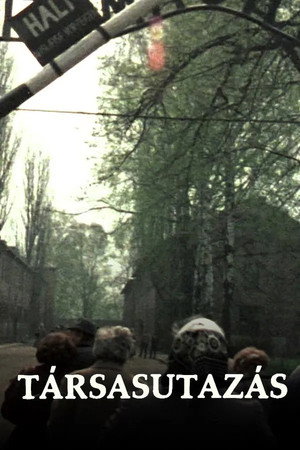
A documentary which follows a coach party of former inmates on a trip to Auschwitz.
A Balada do Sr. Watson
Will the Kurdish dream of independence and freedom ever become reality?With the rise of ISIS and the central role played by the Kurdish Peshmerga in the fight against them, the question of Kurdish independence has taken on greater urgency. To answer this pressing question, Kurdish author Kae Bahar travels from his London home to his rocky and mountainous homeland, finding a complex mix of Kurdish nationalism and internal division. ‘War or Peace?’ Bahar asks. The answer is not so simple.
Festejo Muito Pessoal
Antonese Anthon, who was born and lives in The Bahamas, embarks on a transformational journey into her past and into the water.
Lovely Letters is an intimate documentary portrait away from the big cities. From a school in a small rural village, three couples of children experience for the first time the adventures and misadventures of love.
A short documentary about Baltimore firefighters made for the home video release of 'Ladder 49'.
Free Jazz Vein is an experimental surf film shot on super 16mm film. In his latest work, Argentinian-born and US-based artist, Tin Ojeda, pursues his ongoing fascination with a vintage, 1970s filmmaking style inspired by period jazz album covers and movie posters. Shot in the USA, Central America, Australia, and Indonesia, the film celebrates surfing exploits while keeping an eye on the darker side of things. Ojeda, who shot and edited the film himself, revels in spectacular scenes of sunsets on the beach, sunlight glinting on foam, and heart-stopping shots of the chiseled bodies of pro surfers gliding through the waves. At the same time, he provides glimpses into the poverty that exists next to the glorious beaches, and hints at political violence simmering just under the surface. Super 16mm film, with its grainy texture, lens flares, and painterly depth of field, lends the film a nostalgic feel, while off-screen dialog and statements keep it in the 'here and now'.
Film shining a spotlight on the untold story of The Sidemen, the musicians behind some of the greatest artists of all time. The Sidemen are the forgotten 'guns for hire' that changed musical history. Featuring interviews with Mick Jagger, Billy Joel and Keith Richards, this film takes viewers from the 1960s to today, via global stars such as Prince, David Bowie, The Rolling Stones and Beyoncé.
The unemployed businesswoman Elke in Golzow, the geriatric nurse Karin in Wuppertal, the first teacher of the class, Marlies Teike, and Gudrun, the former mayor of Genschmar, as well as their father, the long-time LPG chairman of Golzow. In the fourth part of the irrevocably last film about the children of Golzow: the agricultural machine fitters Bernhard and Eckhard and Dr. Manfred Großkopf, managing director of the Landwirtschafts-GmbH Golzow, which emerged from the LPG. His epilogue recalls once again a reunion of some of the former pupils at the kindergarten's Buddelkasten on the eve of the 1st anniversary of German reunification. Accompanied by a song from the Golzow school, which wants to call itself "School of the Children of Golzow" in the future, the camera leaves the village and reaches the Oder River with aerial shots, which flows through the wide plain of the fracture towards the sea.
This documentary wisely focuses on Charles Schulz himself: his favorite kind of pen, why he is so good at drawing rain (which is a byproduct of his favorite kind of pen), and how his family life seeped into the strip. Features interviews with family, colleagues, and Schulz in archival footage
An interview with French film scholar Jean Narboni about Jean-Luc Godard's 1962 film VIVRE SA VIE.
Shannon Amen unearths the passionate and pained expressions of a young woman overwhelmed by guilt and anxiety as she struggles to reconcile her sexual identity with her religious faith. A loving elegy to a friend lost to suicide.
This anthology film, whose Chinese title begins with a romantic name for human excrement, premiered internationally at Rotterdam and won Best Screenplay from the Hong Kong Film Critics Society. A variety of Hong Kong people wrestle with nostalgia when facing an uncertain future. Their stories give way to a documentary featuring a young barista turned political candidate.