The sequel of feature-publicistic film «You Can’t Live Like That». Showing the countrymen charmless and sometimes scaring life picture of once great power with pain and anger, the author tries to uncover the reason of the country’s and nation’s tragedy.
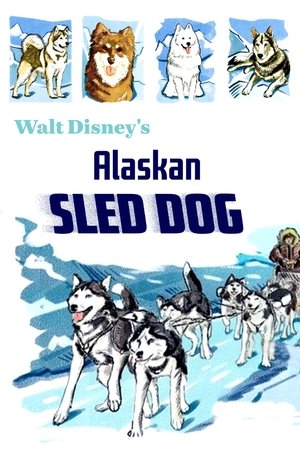
The story of an Eskimo father and son who train and groom a sled dog team. When the father is lost on an ice floe, the son takes the unproven team on the search, and succeeds in finding his father.
The majestic Alaskan brown bear is the largest predator in southeastern Alaska, but everywhere, its ancient haunts are under siege. As the modern world closes in, the great bear’s world is shrinking and encounters between humans and bears are on the rise. Join researcher LaVern Beier as he uses cutting edge technology to protect this extraordinary species. To observe them on their turf, without risking life and limb, LaVern attempts to deploy National Geographic’s CRITTERCAM. Until now, CRITTERCAM has been used almost exclusively on marine animals. Vern and his colleagues are on the cusp of a revolution in terrestrial field science…the opportunity to vicariously walk with bears into the deepest corners of their habitats, where even great hunters barely dare venture.
Created from public television's popular Over series, this is a tour unlike any other! Fly above landscapes and landmarks in Alaska; the Pacific Northwest; California; the Southwest; Chicago; New York City; Washington, D.C.; and everywhere in between.
'Alaska Far Away' tells the story of the Matanuska Colonization Project of 1935, a creative and controversial New Deal program that relocated 202 families devastated by the Great Depression, taking them from the upper Midwest to the Matanuska Valley in Alaska to start an experimental farming colony. It generated a whirlwind of publicity and controversy at the time, not only as a federally-funded social experiment, but also as one of the last pioneer movements in America. The Matanuska Colony isn't just a fascinating footnote to the history of Alaska. It encompasses the despair of the Depression, the creative energy of the New Deal, the adventure of pioneering in Alaska, and the best and worst of our government and ordinary citizens in facing those extraordinary challenges.
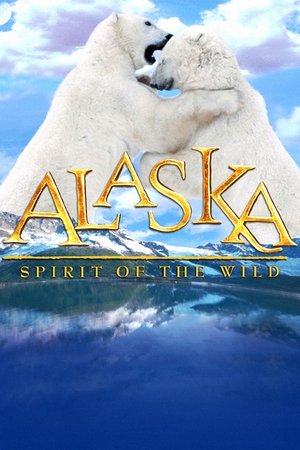
Alaska... Here, in this vast and spectacularly beautiful land teeming with abundant wildlife, discover the "Spirit of the Wild." Experience it in the explosive calving of glaciers, the celestial fires of the Aurora Borealis. Witness it in the thundering stampede of caribou, the beauty of the polar bear and the stealthful, deadly hunt of the wolf pack.
Roam the Wild West frontier land of the Rio Grande’s Big Bend alongside its iconic animals, including black bears, rattlesnakes and scorpions.
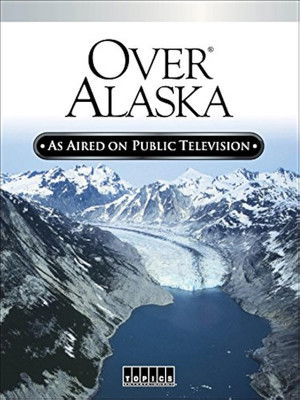
Come fly with us in OVER ALASKA as we take off on a breathtaking tour of our 49th state. Soar over Mt. McKinley and through the craggy crevasses of electric blue glaciers. Follow the Iditarod and kayakers as they navigate past icebergs. Then touch down to Earth and get as close to bears, whales and wildlife as humanly possible.
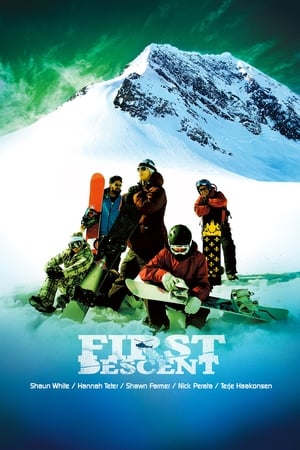
First Descent is a 2005 documentary film about snowboarding and its beginning in the 1980s. The snowboarders featured in this movie (Shawn Farmer, Nick Perata, Terje Haakonsen, Hannah Teter and Shaun White with guest appearances from Travis Rice) represent three generations of snowboarders and the progress this young sport has made over the past two decades. Most of the movie was shot in Alaska.
The transcript discusses the prevalent drug culture, particularly marijuana use, among youth in national parks. It highlights the perception that marijuana is less harmful than harder drugs and reflects on the challenges park rangers face in enforcing drug laws. While acknowledging the existence of drug trafficking, the narrative emphasizes that marijuana use is often seen as a minor issue compared to alcohol consumption or harder narcotics. The conversation also touches on the need for a more nuanced understanding of drug use, suggesting that current laws may be overly stringent and not reflective of societal attitudes.
Filmed over 23 years, Rise of the Warrior Apes tells the epic story of an extraordinary troop of chimpanzees in Ngogo, Uganda – featuring four mighty warriors who rule through moral ambiguity, questionable politics, strategic alliances and destroyed trust.
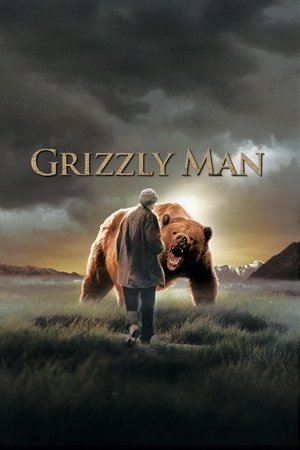
Werner Herzog's documentary film about the "Grizzly Man" Timothy Treadwell and what the thirteen summers in a National Park in Alaska were like in one man's attempt to protect the grizzly bears. The film is full of unique images and a look into the spirit of a man who sacrificed himself for nature.
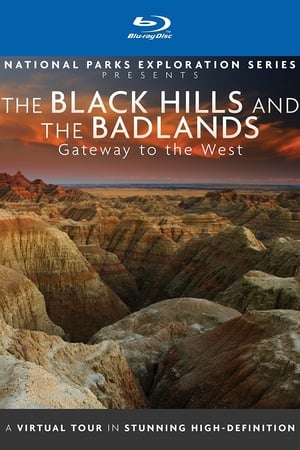
Our National Parks takes you on a journey through the four seasons and the many faces of our scenic national parks. Experience an array of lands and waters from Alaska's glacier-clad Denali to the turquoise coves and coral reefs of the Virgin Islands; from the fire of Hawaii Volcanoes to the coolness of Kentucky's Mammoth Cave; from the moonscapes of South Dakota's Badlands to the granite shores of Maine's Acadia. With award-winning filmmaker Wolfgang Bayer you get an in-depth tour of nine of the most popular national parks plus a seasonal overview of many more.
A documentary propaganda film produced by the U.S. Army Signal Corps about the Aleutian Islands Campaign during World War II. The film opens with a map showing the strategic importance of the island, and the thrust of the 1942 Japanese offensive into Midway and Dutch Harbor. Nominated for the Academy Award for Best Documentary Feature.
This documentary captures the beauty of Maine's Acadia National Park, as well as detailing the history of the location which happens to be the first area east of the Mississippi River to be declared a National Park.
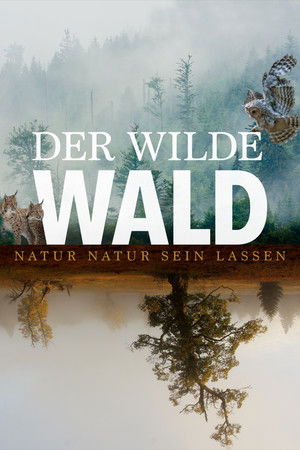
70 years after the last wolves roamed the national park, a total of 41 wolves were reintroduced between 1995 and 1997. A globally unique experiment that had many supporters, but also resolute opponents, then as now.
The documentary follows a crew of snowboarders for six weeks in the Chugach mountains, and showcases what it takes to ride these unique Alaskan mountains: the waiting, the stress, the dangers, everything that goes into it and is usually never shown. It also retraces some of the history of this unknown discipline and pays tribute to the pioneers. But the film really focuses on the human aspect and why these people do what they do.
Alaska – 90,000 square miles of wilderness. Could its uninhabited frontier be hiding monsters and mysteries?
By using special cameras and techniques, David Fortney has captured the beauty of these parks in ways never seen before. Fluid, masterful camera work and serial photography gives you the sensation of soaring over and through the landscape.
In Canada and Alaska, the consequences of global warming are being keenly felt by brown bears - but in different ways by different populations. Their survival depends mainly on the quantity of wild salmon available in the region, as it is the fruit of their catch that enables the bears to accumulate fat reserves for the winter. While salmon populations off Canada's Pacific coast continue to decline year after year, in the immense Bristol Bay in western Alaska, as well as on Kodiak Island, they are increasing considerably. The water temperature in the North Pacific is now ideal for salmon development. From Canada to Alaska, the documentary follows different bear populations over a two-year period.