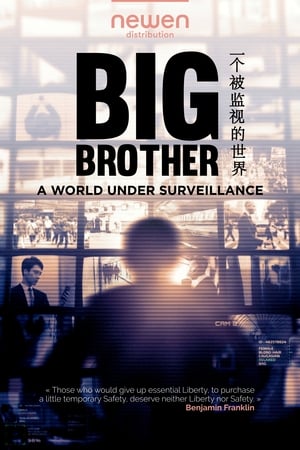
Under the pretext of fighting terrorism or crime, the major powers have embarked on a dangerous race for surveillance technologies. Facial recognition cameras, emotion detectors, citizen rating systems, autonomous drones… A security obsession that in some countries is giving rise to a new form of political regime: numerical totalitarianism. Orwell's nightmare.
Summer of revolution
La Farsa: Una Obsesión Sin Limite
Fomos, Somos e Seremos Comunistas
Do Lado de Fora
This documentary is Dr. Steven Greer’s answer to the current government and media disinformation campaign promoting 3 big lies: 1. We do not know what these UAPs/ UFOs are. WE DO. 2. Humans cannot make craft that can maneuver like UFOs. WE CAN and WE DO. 3. The UFOs are a threat. THEY ARE NOT.
This documentary speaks to local activist groups in the music industry and culture scene to find out why people are driven to fight back and speak out on subjects they’re passionate about. With an aim of inspiring the next generation, each activist gives their advice on how you can put a cause you are passionate about in the local scene into action. Hope Lynes spoke to Phil Douglas from LGBTQIA+ organisation Curious Arts; grassroots promoter Hana Harrison from Art Mouse; Tracks' Sarah Wilson, who campaigns for better female representation in the music scene with her project Noisy Daughters; Chantal Herbert from feminist Black and queer-led organisation Sister Shack; and disability activist and musician Ruth Lyon. It’s hoped that this intimate and personal documentary will explore the starting points to beginning your own activism.
Geografía personal
QLD EN TEUF
Ady Steg, un parcours juif, une histoire française
In recognition of the 4th of July, several celebrities and politicians of differing ideologies join to read the historic documents which laid the foundation for the United States of America.
A documentary about the end of the student movement in 1972 and the lynching of Daizaburo Kawaguchi, a student at Waseda University. The documentary interweaves testimonies from japanese intellectuals and a short play, written and directed by Shôji Kôkami, about the murder.
Georges Pompidou, la cruauté du pouvoir
A short film exploring the journey of international students in France facing administrative hurdles in a system that seems to keep them in orbit without ever integrating them. Through their testimonies, one question emerges: "Do you feel like you are orbiting a system without ever being a part of it?"
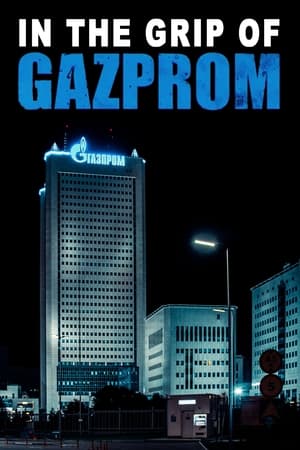
The war in the Ukraine has changed the way many European countries view Russian politics. Suddenly it became clear how dependent countries had become on Russian gas imports for decades and what Vladimir Putin was up to. However, no country needs more gas than Germany. It was only after Russia's invasion of the Ukraine that the German government realized that Russia had long used gas as a weapon to impose its will on states. The instrument created for this purpose is the natural gas production company GAZPROM. So how did Germany become so dependent on Russian gas? The documentary shows how, over several decades and several changes of government, a broad alliance of politicians and business representatives did everything possible to secure Germany's energy supply with cheap Russian gas, while the Kremlin's foreign policy became increasingly aggressive and the warnings of experts went unheeded.
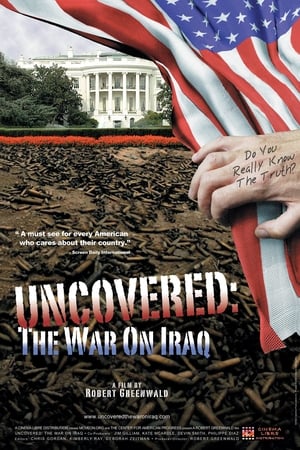
Interviews with varied U.S officials and experts offer a deconstruction on the Bush administration's case for war in Iraq in the wake of 9/11.
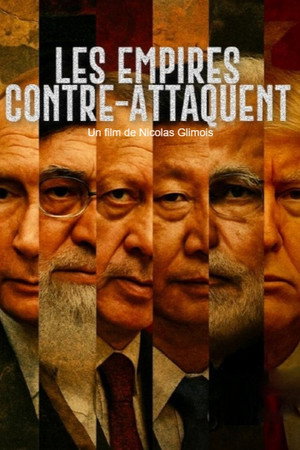
Les Empires contre-attaquent
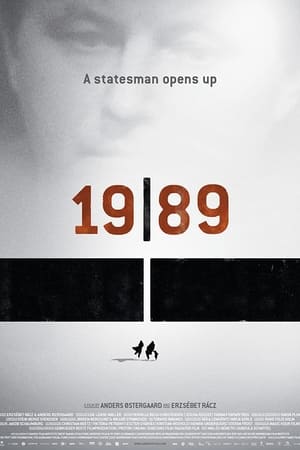
Anders Østergaard’s film is an investigative look at the year the Berlin Wall fell, documenting the events that took place in Hungary as a prelude to the dramatic changes in November 1989. The director recreates the events and leads the audiences deep into the politicians’ secret meeting rooms by using a mix of interviews, archive material and reconstructed scenes and dialogues.
Lyse Doucet speaks to Hind Kabawat, Syria's minister for social affairs and labour and the only female minister in the transitional government.
In Mexico, the lack of jobs in villages and communities forces people to migrate to cities in search of opportunities and better income. This is the case of Justino, originally from the village of Muchucuxcáh, in the Yucatán Peninsula, who after traveling to Cancun and encountering problems and suffering there, decided to return to his village and learn to work with wood. Justino demonstrates how humans can interact with nature and their surroundings to have a dignified job.