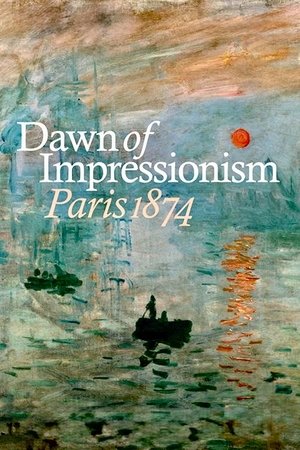
The Impressionists are the most popular group in art history – millions flock every year to marvel at their masterpieces. But, to begin with, they were scorned, penniless outsiders. 1874 was the year that changed everything; the first Impressionists, “hungry for independence”, broke the mould by holding their own exhibition outside official channels. Impressionism was born and the art world was changed forever. What led to that first groundbreaking show 150 years ago? Who were the maverick personalities that wielded their brushes in such a radical and provocative way? The spectacular Musée d’Orsay exhibition brings fresh eyes to this extraordinary tale of passion and rebellion. The story is told not by historians and curators but in the words of those who witnessed the dawn of Impressionism: the artists, press and people of Paris, 1874.
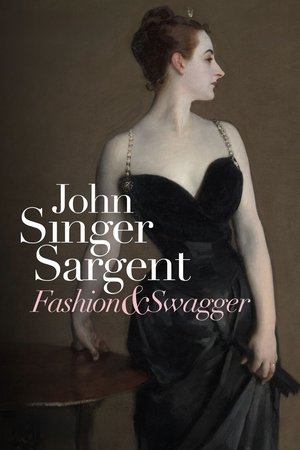
Filmed at the Museum of Fine Arts, Boston and the Tate Britain, London, the exhibition reveals Sargent’s power to express distinctive personalities, power dynamics and gender identities during this fascinating period of cultural reinvention. Alongside 50 paintings by Sargent sit stunning items of clothing and accessories worn by his subjects, drawing the audience into the artist’s studio. Sargent’s sitters were often wealthy, their clothes costly, but what happens when you turn yourself over to the hands of a great artist? The manufacture of public identity is as controversial and contested today as it was at the turn of the 20th century, but somehow Sargent’s work transcends the social noise and captures an alluring truth with each brush stroke.
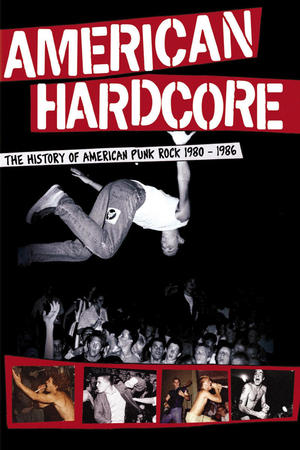
Inspired by Steven Blush's book "American Hardcore: A tribal history" Paul Rachman's feature documentary debut is a chronicle of the underground hardcore punk years from 1979 to 1986. Interviews and rare live footage from artists such as Black Flag, Bad Brains, Minor Threat, SS Decontrol and the Dead Kennedys.
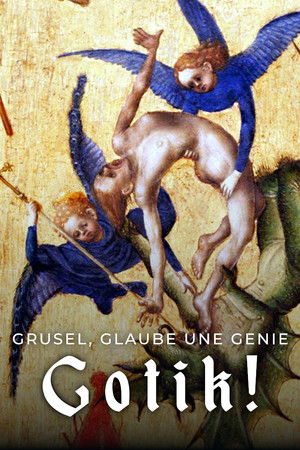
Death and the devil, nudity and eroticism, horror in blazing colours, Gothic art cast a spell over people 500 years ago. In these image-poor times, art deliberately and skilfully played with the emotions of the viewer, triggering fear, devotion, but also rapture. Art documentary on German gothic art of the late-middle ages.
The full-length television documentary, using currently found audio-visual records, tells the story of the fabricated political process from November 1952, the story of its victims and its masterminds. At its end, 11 executed high-ranking officials of the Communist Party of the Czech Republic, committed to the communist party, who mechanically "recited" memorized confessions and accusations of "accomplices", former friends and colleagues in front of the court in response to prearranged questions from the prosecutors and judges.
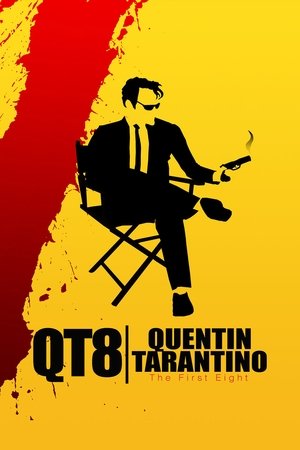
A detailed account of the life and artistic career of legendary filmmaker Quentin Tarantino, from his early days as a video club manager to the scandalous fall in disgrace of producer Harvey Weinstein. A story about how to shoot eight great movies and become an icon of modern pop culture.
A documental short film about the director's childhood memories in their grandmother's old house, which no longer exists.
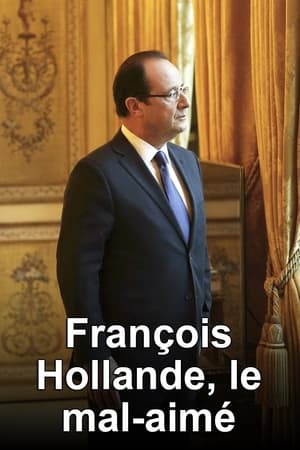
François Hollande, le mal-aimé
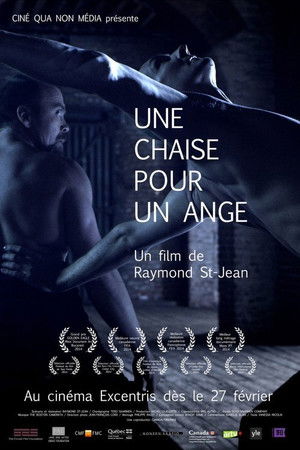
For two hundred years, the Shakers have been America's most successful utopian society. While seeking harmony, order and perfection in every aspect of their lives, they built minimalistic furniture and buildings that influenced modern design. The Shakers wrote songs of exquisite beauty and danced to the point of ecstasy during their religious meetings. Inspired by this music and dance, choreographer Tero Saarinen created Borrowed Light, a dance piece about communal life and individual sacrifice. Shot in Finland and the United States, featuring interviews and excerpts from Borrowed Light, this documentary explore the cultural legacy of this religious group devoted to creating heaven on earth.
Documentary about Bob and Kathy Burns, the goodwill ambassadors of science fiction film fandom.
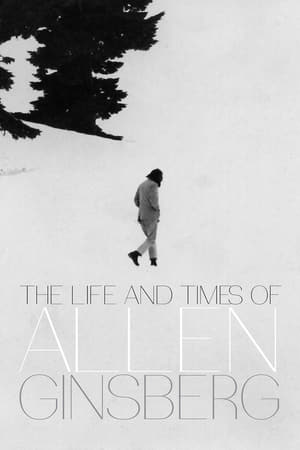
Visionary, radical, spiritual seeker, renowned poet, founding member of a major literary movement, champion of human rights, Buddhist, political activist and teacher. Extensive archival footage, interviews, and home movies cover Allen Ginsberg's life, activism, and influence on American culture through the Beat era, the 1960s, and beyond.
"All sounds travel in waves much the same as ripples in water." Educational film produced by Bray Studios New York, which was the dominant animation studio based in the United States in the years surrounding World War I.
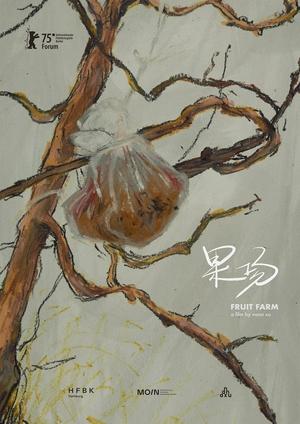
Nana Xu travels to the place built by her father as a prisoner during the Cultural Revolution: first a work camp, later a prison, fruit farm and treatment centre. Conversations with last remaining witnesses, where home is still shaped by a repressed past.
Celebrating the splendor and grandeur of the great cinemas of the United States, built when movies were the acme of entertainment and the stories were larger than life, as were the venues designed to show them. The film also tracks the eventual decline of the palaces, through to today’s current preservation efforts. A tribute to America’s great art form and the great monuments created for audiences to enjoy them in.
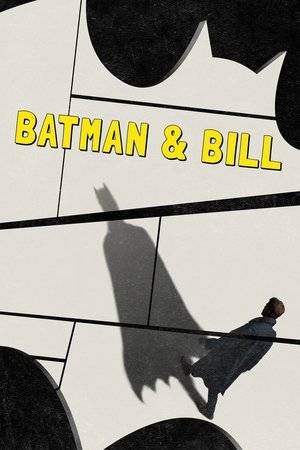
Everyone thinks that Bob Kane created Batman, but that’s not the whole truth. One author makes it his crusade to make it known that Bill Finger, a struggling writer, actually helped invent the iconic superhero, from concept to costume to the very character we all know and love. Bruce Wayne may be Batman’s secret identity, but his creator was always a true mystery.
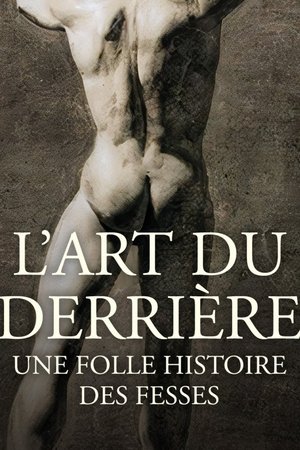
"Do you think I have a cute bottom?" From Brigitte Bardot's cult line in "Le Mépris" (Contempt), to Mireille Darc's iconic lower back, bottoms have long been the subject of every fantasy. And have often been represented in art! A story of eroticism, but also of censure
Paul Weller's musical rebirth unfolds as he records the solo album Wild Wood in 1992-93, embracing analog sound and revisiting his roots, captured through new interviews with Weller, band members, producer, and collaborators.
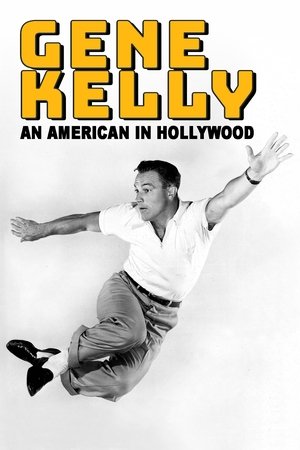
Gene Kelly is a legend of the heyday of the Hollywood musical. His name stands for masterpieces such as "Singin' in the Rain" and "An American in Paris". As a singer, dancer, actor, choreographer and director, he was a true all-round artist who revolutionized the world of dance in particular. Kelly, who loved to experiment, explored new forms of dance expression and helped a whole generation of young talents to fame. From his beginnings in cabarets and on Broadway to his recognition as a choreographer and director, the documentary shows how the good-looking star with a charming smile expanded the boundaries of dance expression: He danced in the open air in the streets of New York, with a cartoon character or his own reflection. But this dazzling entertainer image should not obscure the fact that Kelly, as a staunch supporter of the American civil rights movement, also saw dancing as a political statement.
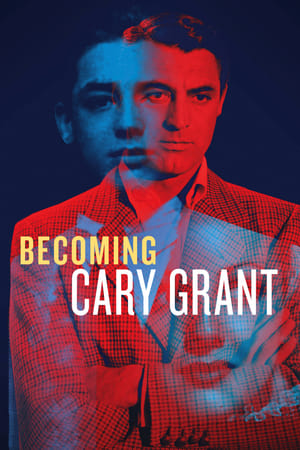
For the first time one of Hollywood's greatest stars tells his own story, in his own words. From a childhood of poverty to global fame, Cary Grant, the ultimate self-made star, explores his own screen image and what it took to create it.
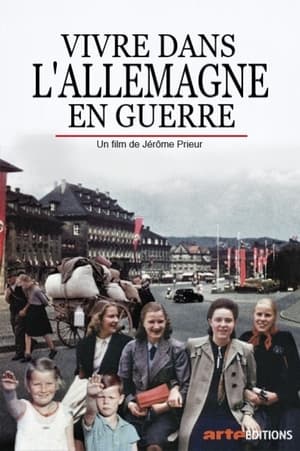
Vivre dans l'Allemagne en guerre