Determined to discover her roots, a young woman travels to Indonesia and pieces together her parents' unconventional love story.
Love doesn’t break all at once. Nine standalone stories catch it in the moment of fracture, from a bedroom argument to cross-border espionage, from quiet grief to genre worlds, and in the long, stubborn work of finding our way back.
Parvis, the son of exiled Iranians, copes with life in his small hometown by indulging himself with pop culture, Grindr dates, and raves. After being caught shoplifting, he is sentenced to community service at a refugee shelter where he meets siblings Banafshe and Amon, who have fled Iran. As a romantic attraction between Parvis and Amon grows, the fragile relationship between the three is put to a test.
Hazel is a romantic comedy that explores the journey of a young woman navigating her personal relationships and discovering the importance of self-love. Through the narrative, Hazel learns that when she chooses herself, others will choose her too.
Korean student Jean, who moved to New York during the COVID-19 pandemic, has struggled to mingle with people in this society. The rise in anti-Asian hate crimes has contributed to her feeling unwelcome. Through her Korean-American classmate Isaac, she reexamines her life and embraces her new home.
Valentin lives with his grandfather Cosmo, a man of fragile health but with a bright spirit and unshakable optimism. Over the course of an important day, Valentin faces decisive moments in which his grandfather’s light silently guides his steps toward maturity, in a story that unfolds as a tender chronicle of daily life.
The Shipibo-Konibo people of Peruvian Amazon decorate their pottery, jewelry, textiles, and body art with complex geometric patterns called kené. These patterns also have corresponding songs, called icaros, which are integral to the Shipibo way of life. This documentary explores these unique art forms, and one Shipibo family's efforts to safeguard the tradition.
Villa Madjo
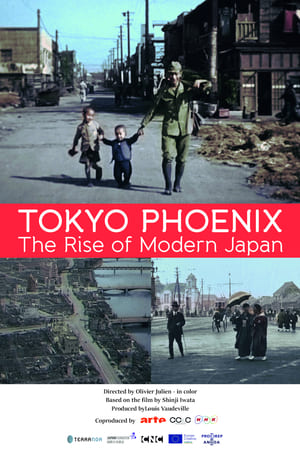
In 150 years, twice marked by total destruction —a terrible earthquake in 1923 and incendiary bombings in 1945— followed by a spectacular rebirth, Tokyo, the old city of Edo, has become the largest and most futuristic capital in the world in a transformation process fueled by the exceptional resilience of its inhabitants, and nourished by a unique phenomenon of cultural hybridization.
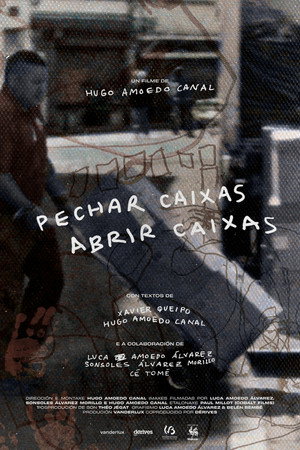
Galician writer Xavier Queipo is getting ready to move back to his homeland after more than 30 years of living in Brussels. He empties his house and puts his memories in boxes the removal company loads onto their truck to take them to Spain. Another Galician man, the filmmaker Hugo Amoedo, who is based in Brussels, too, wonders whether and when he’ll be back in his homeland. In the meantime, he teaches his son to ride a bike, wonders, dreams, struggles to unravel ideas for films, and argues with the clerks of the Brussels post.
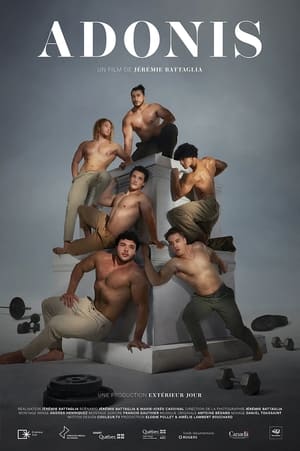
A hard-hitting documentary that tackles head-on a controversial but increasingly alarming subject: young men's obsession with the perfect body, and the use of performance-enhancing drugs to achieve it. Once the preserve of top-level athletes, the use of anabolic steroids has become endemic among teenagers and young men with a passion for bodybuilding. Daring to tackle head-on the taboo of male beauty standards, Adonis offers a field investigation into the heart of this muscle-building machine, questioning the reasons behind and the physical, psychological and social risks of this race to the perfect body. As he stages his own vulnerability, the filmmaker lifts the veil on the scale of the public health crisis that is looming.
Les années noires
Bhoutan, la naissance d'une démocratie
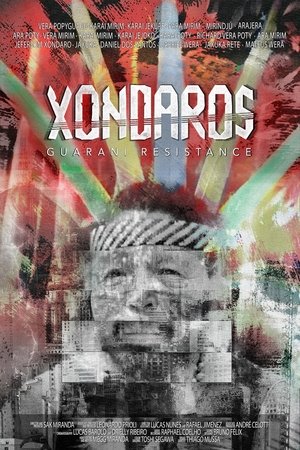
The 6 Guarani villages of Jaraguá, in São Paulo, fight for land rights, for human rights and for the preservation of nature. They suffer from the proximity to the city, which brings lack of resources, pollution of rivers and springs, racism, police violence, fires, lack of infrastructure and sanitation, among others. Unable to live like their ancestors, their millenary culture is lost as it merges with the urban culture.
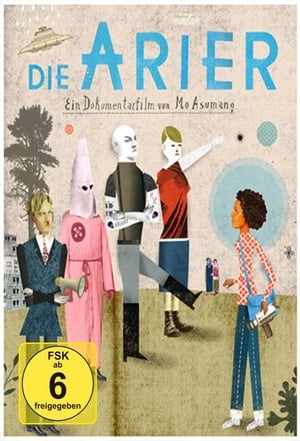
THE ARYANS is Mo Asumang's personal journey into the madness of racism during which she meets German neo-Nazis, the US leading racist, the notorious Tom Metzger and Ku Klux Klan members in the alarming twilight of the Midwest. In The ARYANS Mo questions the completely wrong interpretation of "Aryanism" - a phenomenon of the tall, blond and blue-eyed master race.
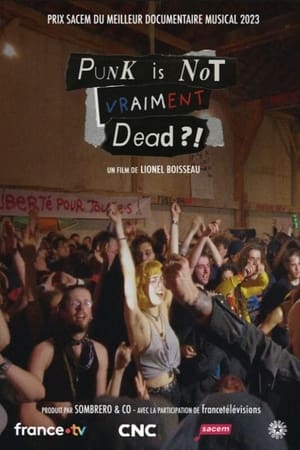
Punk is not vraiment dead ?!
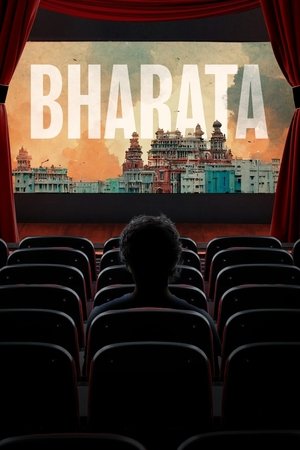
Embarrassed about his identity and culture, a meek Indian high-schooler decides to attend an American university to pursue his passion for film. But in doing so, he causes a rift in his fundamentalist family.
Nominated for an Emmy® Award in 2021 for best non fiction special. Winner of 35 grand jury awards. Filmed in 2016 at Standing Rock, North Dakota, this powerful documentary follows the Indigenous leaders as they unite the Native Nations for the first time in 150 years in order to rise up in spiritual solidarity against the unlawful Dakota Access Pipeline which threatens their treaty lands, sacred burial sights and clean water. These young Native Leaders honor their destiny by implementing a peaceful movement of resistance which awakens the world.
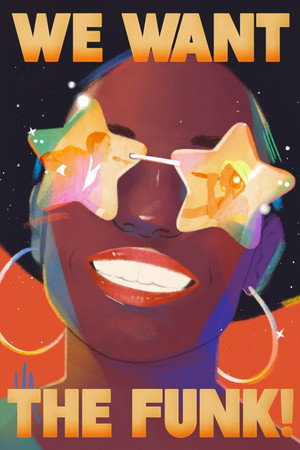
Stanley Nelson's syncopated voyage through the history of funk music, from early roots to 1970s urban funk and beyond.
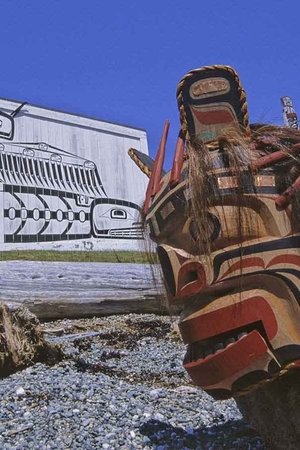
In 1921 the Kwakiut'l people of Alert Bay, British Columbia, held their last secret potlatch. In 1980 at Alert Bay, the U'mista Cultural Centre (U'mista means "something of great value that has come back") opened its doors to receive and house the cultural treasures which were seized decades earlier and only then returned to the people. The center also took up activities such as recording stories told by elders so that some part of the past would always be alive and teaching children about their heritage in order to make them feel connected to their ancestors. This film documents the cultural significance of these events for today's Kwakiut'l people. It is an eloquent testimony to the persistence and complexity of Kwakiut'l society and to the struggle for redefining cultural identity for them.