This films reveals the extraordinary variety of life found in the vast blue expanses of the open ocean. Here, all the action takes place in a 10 metre deep band of water, just under the surface. Many species use this section of water to migrate and hunt while others use ingenious ways to stay hidden where there appears to be no shelter.
The story of South Africa’s sardine run is brought vividly to life on camera.
Oceanographer Sylvia Earle and a cast of marine scientists tell the story of the incredible work being done to protect our oceans fragile ecosystem.
Travel the globe to experience the vital connection between humans, animals, and our planet through stunning, rarely before seen footage which exposes the effects that deforestation and the illegal trade of threatened and endangered species have on elephants, lions, sharks, orangutans, and more. By caring for these beautiful animals, we begin a healing process that will eventually help us all.
Along the shores of England, both grey & common seals thrive and survive in the wild. This short independent documentary bears witness to the beauty and sophistication of these remarkable creatures, the growing threats facing them, and the incredible rescue work of seal sanctuaries along the coast.
Goddess
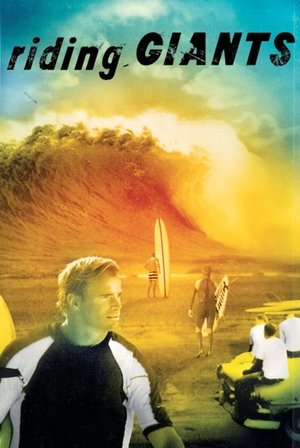
Riding Giants is story about big wave surfers who have become heroes and legends in their sport. Directed by the skateboard guru Stacy Peralta.
United by the planet's biggest conservation project -- The Red List -- conservation heroes around the world are risking everything to save giraffe, gorillas, big cats and other endangered wildlife.
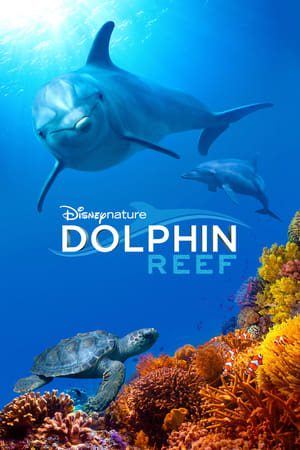
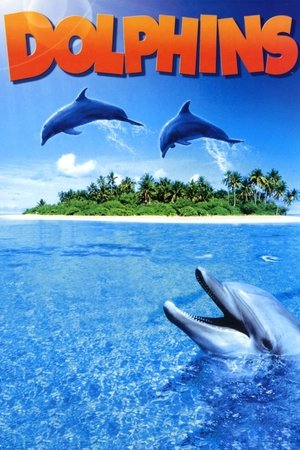
Echo is a youngster who can't quite decide if it's time to grow up and take on new responsibilities-or give in to her silly side and just have fun. Dolphin society is tricky, and the coral reef that Echo and his family call home depends on all of its inhabitants to keep it healthy. But Echo has a tough time resisting the many adventures the ocean has to offer.
The Hawai'ian Islands are ground zero for the aquarium trade who capture and traffic reef fish for hobbyists’ tanks, decimating the reef, ocean and earth’s oxygen. Native Hawai'ians, conservationists, scientists, aquarium fish collectors and breeders are locked in a controversy over the stunning “treasure of Hawai'i” – the ornamental fish.
MORENA tells the uplifting story of the Philippine National Surf Athlete Ikit Agudo, who overcame the pressure to blend into a society obsessed with skin whitening. Within the ocean, she found happiness, strength, and pride in her roots. Inspiring young girls around the world to embrace who they truly are. In the Philippines, skin-whitening remains a billion-peso industry, a legacy of colonial beauty ideals that for generations have led many to neglect their true identity and natural beauty.
This is the planet we still know so little. We call it Earth but less than 1/3 is land, over 2/3 is water and we use that water as a dumping site for our waste and as if it's an inexhaustible "horn of plenty" for humans. Our most important ecosystem is on the verge of collapse unless we act now. At this very moment the main problem with the oceans is that they're getting emptier and emptier. If we don't do anything then we face one of the biggest disasters in history of mankind.
A short documentary that talks about how ocean conservation managers from around the world come together to collaborate on ways to save our oceans. It also discusses the importance of including indigenous and traditional knowledge to start solving challenges. We produced this in collaboration with Big Ocean Managers and Conservation International.
In Australia, sharks have recently been recorded with unusual prey-including other sharks. In order to figure out what has caused this shift in diet, Dr. Charlie Huvaneers and team head to shark infested waters to find out what's in the stomach of a great white - and why.
This story began in the seventies. Then the American ornithologist George Archibald turned to Soviet scientists led by Vladimir Flint with a proposal to cooperate in the protection of the white Siberian crane. This species was little studied and was considered endangered. Since then, we know much more about white cranes. Now on Earth there are two disparate populations of Siberian Cranes. One is East Siberian. These birds nest in the north of Yakutia and migrate to China. There are more than three thousand of them, and in the near future they are not threatened with extinction. A few thousand kilometers away, another population of Siberian Cranes lives. They nest in the lower reaches of the Ob, and fly to India or Iran for the winter. There are only twenty of them left. This film is about how people are trying to save this West Siberian branch of white cranes.
Deep sea: 1000m below the surface no light, immense pressure and icy temperatures. The deep sea encompasses more than 90% of the planets habitat. Yet we know less about these depths than about the moon. This film documents the technical, scientific, and ecological challenges of deep sea researchers. Scientists work worldwide together to collect data on the physical state of the upper ocean. With more than 3000 autonomous floats they monitor the oceans for influences on weather systems like El Nino or the monsoon. Does it affect global climate change? Does the deep sea offer solutions for the CO2 issue? Researchers in the Okinawa Trough are trying to find out. The sea floor harbors enormous amounts of resources: oil, natural gas, methane. Scientists work hard to try and locate these materials. Millions of deep sea dwellers are waiting for their discovery. The Census of Marine Life is trying to catalogue these bizarre ocean creatures before they disappear.
The vessel is Infinity, a 120-foot hand-built sailboat, crewed by a band of miscreants. The journey, an 8,000 mile Pacific crossing from New Zealand to Patagonia, with a stop in Antarctica. Unlike all the other boats heading to the Southern Ocean, Infinity is no ice-reinforced super-yacht crewed by professional sailors; rather, Infinity lives in the moment and sails on a whim. What can be found in abundance on board is blood, sweat, enthusiasm, risk tolerance, disdain for authority, and an ample supply of alcohol – all in all a mad voyage of reckless adventure just for the sheer joy of it. Along the way the crew will battle a hurricane of ice in the Ross Sea, assist the radical environmental group Sea Shepherd in their fight with illegal whalers, and tear every sail they have. At the heart of their journey is a quest for awe and a sense of wonder with the raw power of the natural world.
Nóouhàh-Toka’na, known as swift fox in English, once roamed the North American Great Plains from Canada to Texas. Like bison, pronghorn and other plains animals, Nóouhàh-Toka’na held cultural significance for the Native Americans who lived alongside them. But predator control programs in the mid-1900s reduced the foxes to just 10 percent of their native range. At the Fort Belknap Indian Community in Montana, members of the Aaniiih and Nakoda tribes are working with the Smithsonian’s National Zoo and Conservation Biology Institute and other conservation partners to restore biodiversity and return Nóouhàh-Toka’na to the land.
In Namibia, conservationist Maria Diekmann found herself on the frontline of the battle to save these wanted animals after unexpectedly becoming a surrogate mother to an orphaned baby pangolin named Honey Bun. On an emotional journey, Diekmann travels to Asia to better understand the global issues facing pangolins, before joining forces with a Chinese megastar to help build a campaign to bring awareness to the plight of these surprisingly charming creatures.
Marine conservationist and social media activist Ocean Ramsey fearlessly swims with sharks in this documentary about her risky mission to protect them.