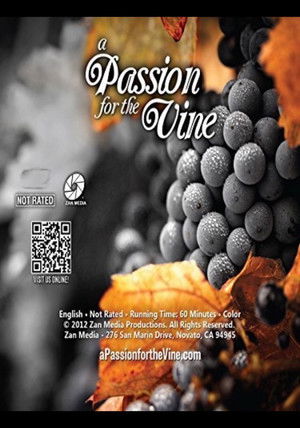
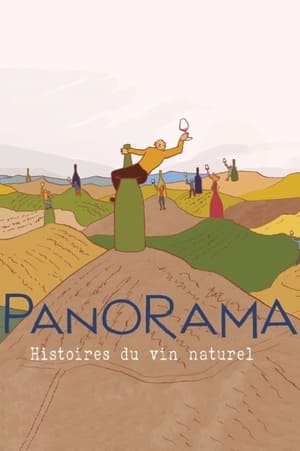
This documentary follows seven wine-making families in the Burgundy region of France, delving into the cultural and creative process of making wine. You'll never look at wine the same way again.
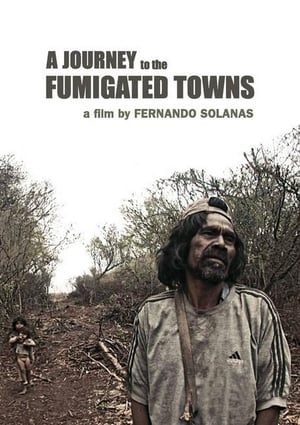
A Journey to the Fumigated Towns is the final episode made by Fernando Solanas in a series of 8 films dedicated to the Argentinian’s crisis in the 21st century. Based on testimonies, re-creations, archives and photos, this investigative documentary reveals not only the after-effects of the soya’s model and other GMO’s grain productions with agrochemicals, on the health of the Argentinian people, but also the global and environmental consequences.
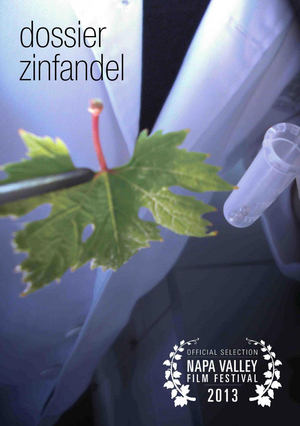
For years, there has been an effort to discover the exact origin of the most popular American grape variety and wine, Zinfandel. Thanks to modern technology, forensics, and DNA analysis, the collaboration between American and Croatian laboratories has born fruit: Zinfandel is the Croatian Crljenak Kaštelanski.
His teachers, coaches, childhood friends and Barça teammates, together with journalists, writers and prominent figures from the history of football, come together in a restaurant to analyze and pick apart Messi's personality both on and off the field, and to look back at some of the most significant moments in his life. Viewed from Álex de la Iglesia's unique perspective, Messi recreates the player's childhood and teenage years, from his very first steps, with a football always at his feet, through to the decision to leave Rosario for Barcelona, the separation from his family, and the role played in his career by individuals such as Ronaldinho, Rijkaard, Rexach and Guardiola.
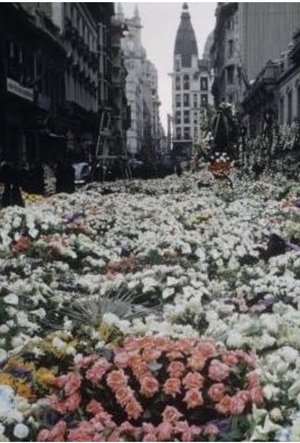
In this documentary about the exile of two famous French actors in Argentina during and after World War II, the director Cozarinsky returns to Argentina after many years in France and recalls places and events from his childhood, particularly the celebration of the liberation of Paris on in August of 1944, in Buenos Aires's Plaza Francia. Featuring testimony from various authors and acquaintances of Maria (Renee) Falconetti and Robert Le Vigan, the film explores their lives and final years in Argentina.
A documentary following the day life of fans in Brazil on July 13, 2014: the day when Germany and Argentina met up in the finals of FIFA World Cup.
The third installment in Dan Přibáň's series of travel documentaries describes the author's journey with his friends across South America in vehicles that are often notorious but cult in their own way. The charming dynamics of the group on screen are further enhanced by the high-quality craftsmanship.
Documentary about the Football World Cup held in Argentina in 1978, focusing on the competition and behind the scenes of the most important soccer competition in the world. Two versions of the 1978 official film exist, the first "Copa 78 - O Poder do Futebol" was made by Brazilian directors Maurício Sherman and Victor di Mello in 1979 but was later withdrawn by FIFA because of its controversial content. The film includes an interview with Rodolfo Galimberti, one of the leaders of the Montoneros guerrilla group and also made accusations that the Argentinian competition organisation committee had deliberately hindered Brazilian chances of success by tampering with the pitch at Mar del Plata.
A detailed account of each of the details of the Malvinas War based on interviews, dramatic scenes, maps and other elements of historical roots without ignoring the historical antecedents from the 18th century that ended in this confrontation.
The Most Expensive Wine in the World
Proyecto Ibera
Wine is confusing…overwhelming even. So where do you start if you want to learn more about it? Join John Cleese on an entertaining and personal look at the world of winemaking and discover: how to find wines that taste good to you, how to make sure you get the best value and how to keep and serve wine at home.
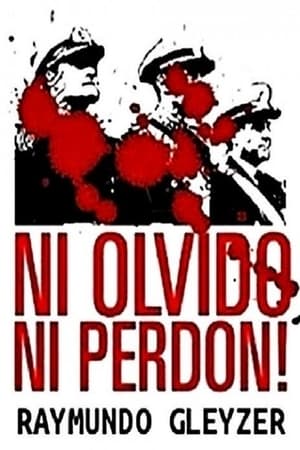
Images of Argentinian companies and factories in the first light of day, seen from the inside of a car, while the director reads out documents in voiceover that reveals the collusion of the same concerns in the military dictatorship’s terror.
Tiempos circulares
DEBT is the story of a frantic pursuit: the search for the responsible for the televised cry of hunger of Barbara Flores, an eight-year-old Argentinean girl. Buenos Aires, Washington, the IMF, the World Bank and Davos; corruption and the international bureaucratic lack of interest.
Resistencia Cultural
On August 15, 1972, during the dictatorial government of General Lanusse, twenty political prisoners belonging to the PRT- ERP, FAR and Montoneros, escaped from Rawson prison in the Patagonian province of Chubut.
Three characters, three stories of "heretics", three food producers who think in a different way to describe the transformation of our Country in what in “Langhe Doc” Giorgio Bocca calls the Italy of warehouses. We're in Langhe, a unique territory, universally recognized as one of the most beautiful places in Italy, fresh candidate for Unesco World Heritage but afflicted by uncontrolled economic development, urbanization, overbuilding, abandonment of the less profitable areas. Those of Maria Theresa, Silvio and Mauro are stories of people who have insight into a future they do not like and have chosen to refuse it. Their challenges are still open, they're not yet fully met and perhaps they never will: these heretics move in one direction, while the world moves in another, quite the opposite one.
The story of a group of friends, the "rebel boys" who made italian wine become so great, between generational conflicts, brilliant insights and never silenced controversies.
After the fall of the military dictatorship in 1983, successive democratic governments launched a series of reforms purporting to turn Argentina into the world's most liberal and prosperous economy. Less than twenty years later, the Argentinians have lost literally everything: major national companies have been sold well below value to foreign corporations; the proceeds of privatizations have been diverted into the pockets of corrupt officials; revised labour laws have taken away all rights from employees; in a country that is traditionally an important exporter of foodstuffs, malnutrition is widespread; millions of people are unemployed and sinking into poverty; and their savings have disappeared in a final banking collapse. The film highlights numerous political, financial, social and judicial aspects that mark out Argentina's road to ruin.