A documentary about a 15-day river-rafting trip on the Colorado River aimed at highlighting water conservation issues.
The Colorado River is the foundation of the American Southwest. But the confluence of a once-in-a-millennium drought, a hundred-year-old mistake, and a generations-old conflict have put the river-–and the civilization built atop it––in crisis, and at a crossroads. As the southwest continues to grow, and the river continues to shrink, time is running out to solve the problem of the Colorado.
The American Southwest is a feature length blue chip natural history film narrated by indigenous environmentalist Quannah Chasinghorse. The movie journeys down the mighty Colorado River, examining the astonishing beauty and biodiversity of the region, while confronting the environmental destruction from dams and the perilous fate of the river. The story is told through never-before-seen wildlife sequences such as beavers building wetlands, condors recovering from the brink, and the potential return of Jaguars to American soil. The film beautifully advocates for better management of the river and increased wildlife conservation efforts in the iconic landscapes of The American Southwest.
The Green Desert presents a dazzling kaleidoscope of vineyards, date ranches, and bell pepper farms in the Coachella Valley near the Salton Sea. The much larger Imperial Valley harvests leafy greens by the truckload, delivering over 1 billion servings a year. The alfalfa it grows is the bedrock of the food supply chain, making dairy and meat production possible. A total of 90% of the winter vegetables consumed in the US are produced in these two regions. Without them, the nation’s food security would vanish. Both of these regions rely on imported Colorado River water, a resource dwindling by the year. The need for conservation has never been greater, but will desperate measures be enough? The era of limits has been reached. We are at a crossroads. The future of the American West will be shaped by the choices we make.
Two journalists traverse the Grand Canyon by foot, hoping this 750-mile walk will help them better understand one of America's most revered landscapes and the threats poised to alter it forever.
The first half is a salute to John Wesley Powell, the first man to explore the Colorado River. Walt Disney presents a behind-the-scenes look at the filming of Ten Who Dared on the same waters. Then the True-Life Adventure Featurette: Bear Country is shown.
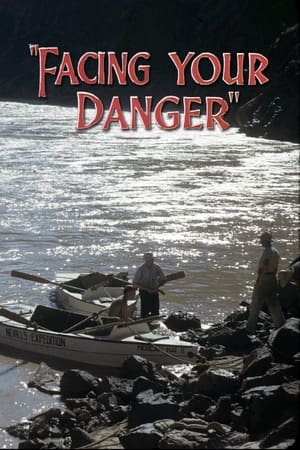
This Warner Bros. The Sports Parade series short chronicles the attempt by a group of men to navigate the Colorado River through the Grand Canyon to Lake Mead. Led by Norman D. Nevills, nine men undertake a nineteen days trip in three specially built rowboats through the more than 200 rapids, some which run at 30 mph. Along the way, they see the remnants of previous expeditions. They also visit abandoned Pueblo Indian cave dwellings.
The drought in the American West is predicted to be the worst in 1,000 years. Join five Academy Award-winning filmmakers as they explore the environmental crisis of our time and how to fix it before it's too late.
The story of rapper and artist Andres “Dres” Vargas-Titus, part of the legendary 90’s hip hop duo Black Sheep, and his incredible journey from being on top of the game to struggling with civilian life and staring down the barrel of his last chance at success.
Ariel Kuaray Ortega returns to his hometown to visit his grandfather in a region of Brazil bordering Argentina. He wants to finally hear the full story of Canuto, a fellow villager who turned into a jaguar and then died a tragic death. A plan soon arises to make a film about the mysterious Canuto, with the villagers playing all the roles.
From Belgium, Jialai Wang maintains contact via smartphone and camera with her mother and grandmother in China. When her grandmother’s health deteriorates, Jialai returns to Shanghai, but when she arrives, her grandmother has already died, and she is left alone with her mother. A devout Buddhist, her mother seems to pay more attention to her daily prayers, Maoist past and dog Dongdong than she does to her daughter. She herself had been abandoned as a child by her own mother, when she divorced Jialai’s grandfather and moved to the city.
Chaque jour et demain
10.35 p.m. – the start of the night shift at the University Hospital in Zurich. We accompany a midwife who, during her long and intense shift, empathetically helps the mothers and babies under her watch, taking into account all their individual differences.
Ján Levoslav Bella
East German short documentary
In the Arab village of Jisr az-Zarqa, against a backdrop of rising tensions and threats to the place's identity, three women embark on a personal and collective journey for change. As a new Jewish neighborhood is being built nearby, threatening the village's character, Amina (45), Munira (46), and Ruya (19) unite in an attempt to reshape their future and the future of their community. Through their personal stories, the film exposes the daily struggle of Arab women for identity, self-realization, and social justice within a complex and challenging reality.
In my network
In the ’90s, pop culture icon Susan Powter burst onto the scene with her signature bleach-blonde buzz cut and bold message of health and wellness. After conquering infomercials, becoming a New York Times bestselling author, hosting her own talk show, and seeing her face on thousands of products, she dramatically walked away from Hollywood and into obscurity. Crippling lawsuits with her business partners left her bankrupt, and she has since lived as a total recluse below the poverty line in Las Vegas, where the filmmaker ultimately finds her. This documentary explores the meteoric rise and subsequent fall of Susan Powter while asking what it will take to bring her back to audiences—and whether her message, Stop The Insanity, is still as relevant and powerful today as it was in the early ’90s.
Theater der Klänge bauhausbühne
National and international oil companies have been extracting oil for more than 50 years from the Amazon, the area with the greatest biodiversity on the planet, threatening the lives of communities indigenous people with the complicity of the Ecuadorian government. They are the so-called: Sacrifice zones.