SOME MEMORIES CAN HAUNT YOU
Proyecciones del Limbo
Experimental documentary that poetically exposes the reality of public transport in the city of Curitiba.
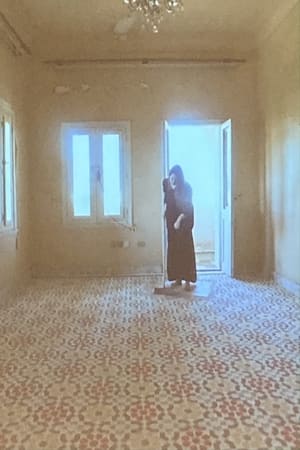
In the dining room of the abandoned house a white, faded entity feeds on her pieces. Memories keep her here and time transforms her into something new.
"Fag End" is an astute representation of the metaphorical death of a mother. The movie revolves around a girl named 'Tania', a victim of smoking and alcohol abuse, going through the process of In vitro fertilization. When it comes to alcohol and smoking, an abuser is overlapped with the tendencies of both alcoholism and chain smoking wherein one is subjected to intense cravings, followed by untoward mental as well as physical detention. Things go downhill one morning, as she relapsed the night before and she suffers a miscarriage. Does it not leave us with the raucous screams of the unborn?
A man sits in his living room, doing absolutely nothing while morning arrives.
Travel films have an established format with their own conventions, history and baggage. It is a medium that has all too often sought to control, define and dictate perceptions of ”other” places. Comprised of footage shot while travelling on group excursions across Russia in 2019, An Uncountable Number of Threads is an attempt to draw out the ethical restrictions of a travelogue, while questioning how (and why) to make one. At times there is an awkward tourist-gaze, aware of its outsider position. But as a self-reflexive work that considers its own creation, it ultimately unravels, as the artist rationalises themselves out of a particular way of working, inviting the viewer into their uncertainty.
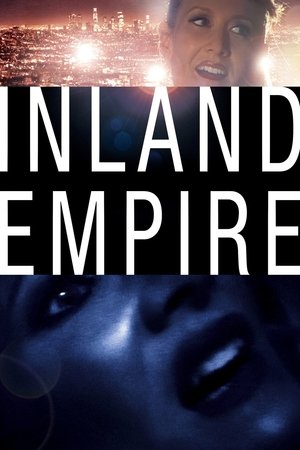
Rising pop star Mima quits singing to pursue a career as an actress. After she takes up a role on a popular detective show, her handlers and collaborators begin turning up murdered. Harboring feelings of guilt and haunted by visions of her former self, Mima's reality and fantasy meld into a frenzied paranoia.
La dissolution du paysage
The horses in Denys Colomb Daunant’s dream poem are the white beasts of the marshlands of the Camargue in South West France. Daunant was haunted by these creatures. His obsession was first visualized when he wrote the autobiographical script for Albert Lamorisse’s award-winning 1953 film White Mane. In this short the beauty of the horses is captured with a variety of film techniques and by Jacques Lasry’s beautiful electronic score.
Grappling with the complexities of mental health and trauma in a digital age that feels isolating and overwhelming, a young person embarks on a surreal journey of self-discovery, navigating the raw truths of adolescence in an attempt to find a place in the world.
Missed connection regret at that one late-night spot—the kind you keep playing back in your head but not quite ever remembering right, until it starts to look like something else.
An experience of a camera swinging in different gestures facing the optical distortion of the Sun. The last appearance of the smudge.
Experimental movie, where a man comes home and experiences LSD. His kaleidoscopic visions follow, with readings inspired by the Tibethan Book of the Dead.
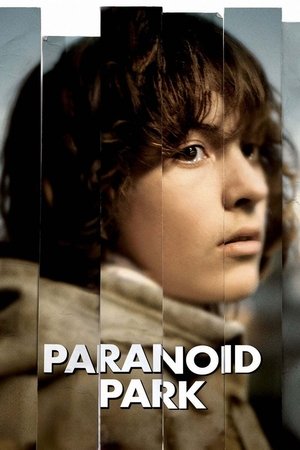
A teenage skateboarder becomes suspected of being connected with a security guard who suffered a brutal death in a skate park called "Paranoid Park".
Begotten is the creation myth brought to life, the story of no less than the violent death of God and the (re)birth of nature on a barren earth.
A closeup examination of a tree in the morning light.
An experimental tribute to Jean-Luc Godard, his documentary works and his insights in our modern world.
“Poussières de Juillet”, produced in 1967 by Hachemi El-Chérif, is taken from a poem by Kateb Yacine. "We made a film on the return of the ashes of Emir Abdelkader, to Algeria. It was the opportunity to make a film on the ancestors with M'hamed Issiakhem. He designed glass plates on the basis of my texts. Then we had actors collaborate. It was a film which cost us a total of 300 dinars, proof that we could do work for television without too much money. We won two first international prizes at the Belgrade festival. We left the original of the film with the Egyptians in Alexandria and they lost it. We kept a copy but over time I wonder what happened to it, because there is no not even had a screening, they say it still exists, but I don't know in what state." Kateb Yacine, July 28, 1986, interview with Arlette Casas.