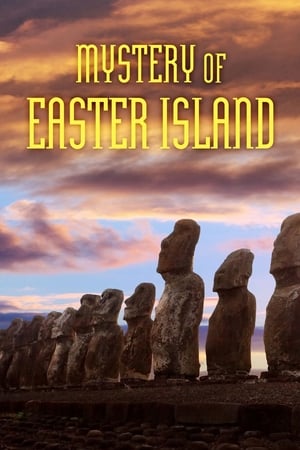
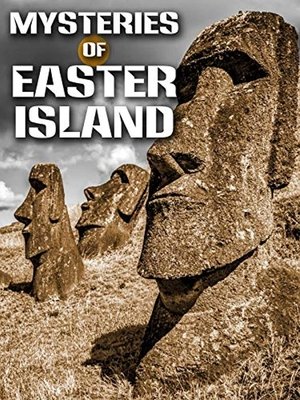
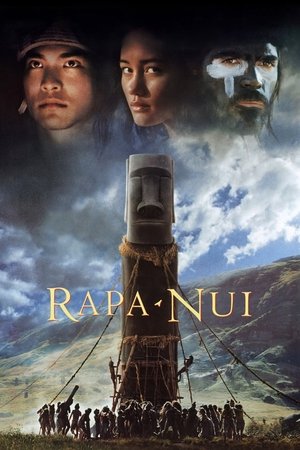
Easter Island is one of the most isolated inhabited islands on Earth, and a riddle. What happened to the Rapa Nui who populated this ancient Eden? They carved giant statues, the moai, and created a culture of cooperation. Then something failed. Modern explorers investigate labyrinthine cave systems, finding grim clues. Now another sad fate may be in the island’s future – total disappearance.
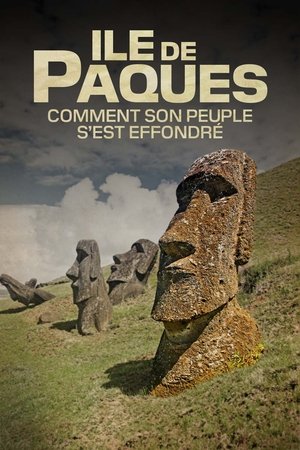
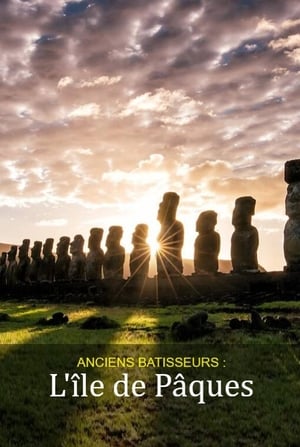
Île de Pâques : comment son peuple s'est effondré
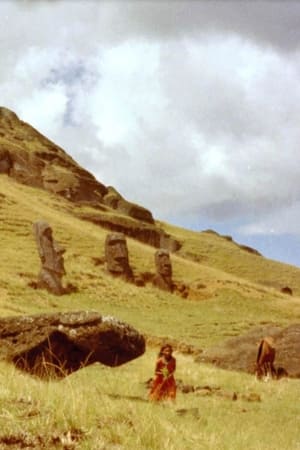
A film record of M.E.T.E.I. (Medical Expedition to Easter Island), one of the most unusual scientific enquiries ever launched, headed by a McGill University research team. While the film is concerned mainly with the physical condition of Easter Islanders, it also provides glimpses of island activities, a village wedding, and the famous long-faced stone sculptures.
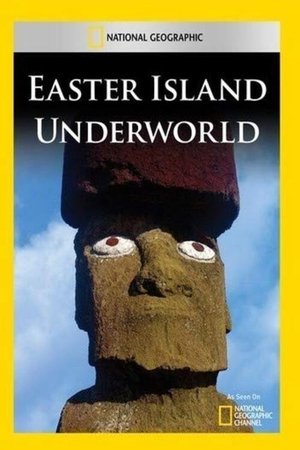
Deep beneath the legendary Easter Island, National Geographic undertakes a groundbreaking expedition to map a vast cave system utilized by the people who carved these iconic statues. Protected by sheer cliffs, narrow labyrinths and underwater entrances, many of the caves have not been explored for decades. Recently discovered human remains and telltale artifacts reveal details of the island's intriguing history and culture.
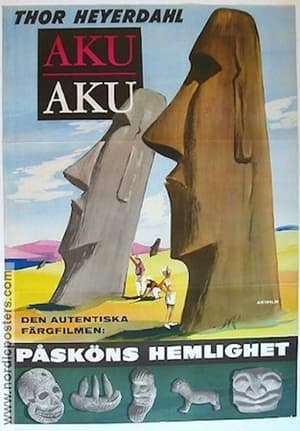
Documentary following the 1955–1956 Norwegian Archaeological Expedition's investigations of Polynesian history and culture at Easter Island.
A team of scientists and volunteers test a theory on how the ancient stone statues were moved, using a 15-ton replica.
In 200,000 years of existence, man has upset the balance on which the Earth had lived for 4 billion years. Global warming, resource depletion, species extinction: man has endangered his own home. But it is too late to be pessimistic: humanity has barely ten years left to reverse the trend, become aware of its excessive exploitation of the Earth's riches, and change its consumption pattern.
Documentary about the history of Easter Island.
How were the giant stone heads of Rapa Nui – also known as Easter Island – carved and raised, and why? Since Europeans arrived on this remote Pacific island over 300 years ago, controversy has swirled around the iconic ancient statues and the history of the people who created them. Now, a new generation of researchers is overturning old theories, revealing the rich history, innovation, and resilience of the Rapanui people, and uncovering intriguing new evidence about where they – and their practice of monumental stone building – came from.
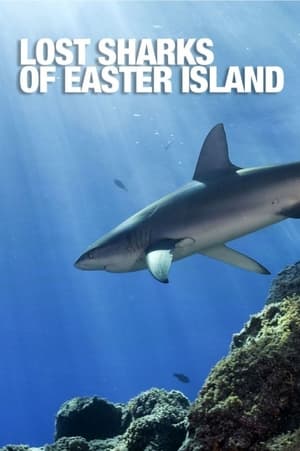
Enric Sala and his team begin their search for deep sea sharks on Easter Island.
The contrast between the majestic statues of Easter Island and the desolation of their surroundings is stark. For decades Easter Island, or Rapa Nui as the islanders call it, has been seen as a warning from history for the planet as a whole - willfully expend natural resources and the collapse of civilization is inevitable.
Poetic look at the history and mysteries of Easter Island, through its landscapes, its mythical sculptures, as well as its parties, ceremonies, with abundant songs and dances, which become the true guides of the documentary. Also noteworthy is the annexation of the island to Chile, thanks to Policarpo Toro, captain of the Chilean Navy.
The Cousteau Collection N°23-1 | The Easter Island Testament
A simple, carved figure bought at an auction in New York leads David Attenborough on a global journey from Russia to Australia, from England back to the Pacific. On the way he delves into a history of the stunning stones on Easter Island.
Easter Island: Sculptors of the Pacific
This is a tiny island, lost in the middle of the Pacific Ocean. But it stirs up passions: the Easter Island. Because it owns one of the most precious treasures of humanity: the famous stone statues called moai. Who was this Rapa Nui people who created such a masterpiece? Where did these men and women come from? How did they disappear ?
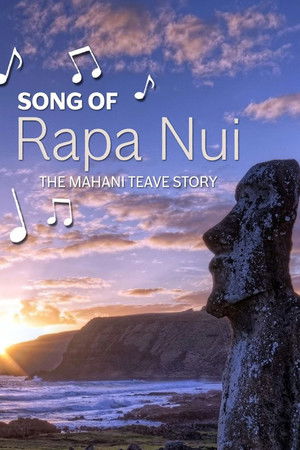
This feature length documentary tells the story of Mahani Teave who grew up on Rapa Nui (Easter Island) and left at age 9 to pursue her dream of being classical pianist-a journey that takes her from mainland Chile to The Cleveland Music Institute to Berlin and the great concert halls of Europe. At the age of 30, on the brink of international success, Teave gives up her career to pursue a new dream, coming back full circle to Rapa Nui to found a free music school for the island's children. The resulting school-named Toki, after the basalt tool once used to shape Easter Island's iconic sculptures-is a model of sustainability, incorporating tons of tires, bottles and Pacific Ocean plastic; surrounded by agri-environmental gardens to grow food. With Toki, Mahani hopes to shape a bold new future for Rapa Nui and inspire hope and change on Earth, our island home.
Easter Island has long been the subject of curiosity and speculation. A triangle of volcanic rock in the South Pacific, Easter Island is over 2000 miles away from the nearest population center, making it one of the most isolated spots on Earth. It is best known for the giant stone statues, known as the Moai, that dot the coastline.
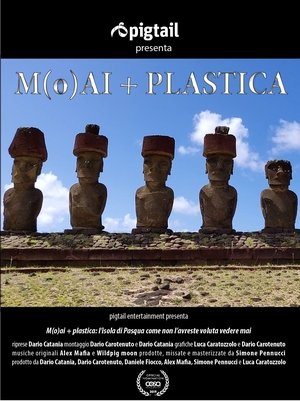
M(o)ai + plastica
Inter-tribal rivalry leads to a competition to erect a huge Maoi statue in record time before Make can take part in the race to retrieve the egg of a Sooty Tern. The reward for winning this race is to rule the island for one year.