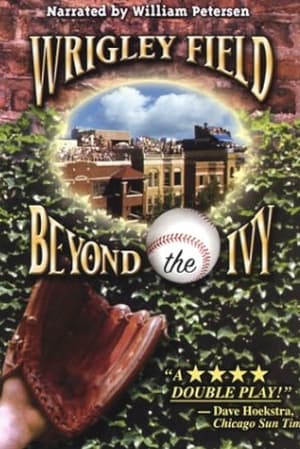
Actor William Petersen narrates this documentary about Chicago's venerable baseball stadium, Wrigley Field, focusing on a variety of quirky fans who've spent so much time there that they've become part of the stadium experience. These colorful Cubs enthusiasts tell their stories and discuss how both baseball and Wrigley Field have become an integral part of their lives. A bonus feature on Comiskey Park -- home of the rival White Sox -- is included.
"The Last Season" follows the stadium's last year, the fans' communal last look, the witnessing of the wrecking ball and the great fall of the Memorial Wall.
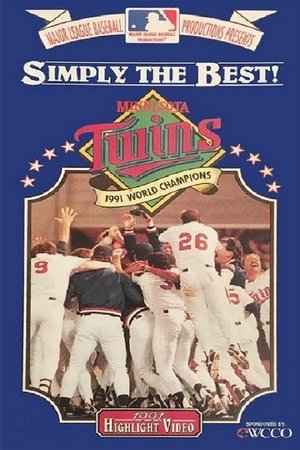
Simply the best chronicles a remarkable year for the world champion Minnesota Twins. This video captures the 1991 championship season in it’s entirety from spring training through game seven of the World Series.
A documentary exploring the sporadic connections between baseball and punk rock.
The pressure of glory. A shocking loss. Raw locker room talk. Go behind the scenes into their reality as Samurai Japan's camera keeps rolling.
In 2008, the Dodgers celebrated their 50th year in Los Angeles. In that time the Dodgers, and Dodger Stadium specifically, have become a true Bluetopia for their fans; a common passion and sanctuary for the incredibly diverse faces and cultures that make Los Angeles a most remarkable place. Bluetopia weaves the stories of several Dodger fans across the 2008 Dodger season. As the season evolves and ultimately ends with the Dodgers on the threshold of the World Series, lives unfold before us. We meet tattoo artists and attorneys, celebrities and detectives, former inmates and grandmothers, cancer fighters and romantic dreamers. Dodger tradition brings them together as one. Bluetopia goes behind the scenes for the human stories of the team itself. Bluetopia is the story of the powerful and emotional bond between fans and their favorite players; between the world's most diverse city and the team that binds it together. Together they make the most lasting memories of their lives
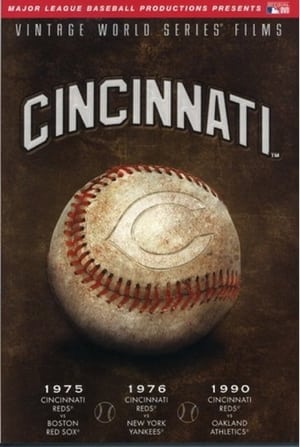
The 1975 Fall Classic matched the Reds against the Boston Red Sox in a seven-act performance that enthralled the nation. After an extra-innings defeat in Game 6 the night before, the Reds trailed 3-0 in Game 7, but like true champions, they battled back to win the game and take home the series. The taut drama of the previous season's finale was replaced by an awesome display of professionalism and dominance in the 1976 World Series as the Reds swept the star-struck New York Yankees. Fourteen years later, the Reds again swept their opponent, but this time it was a significant upset. The defending champion Oakland Athletics were out-pitched and out-played over four games as the Red Legs completed their wire-to-wire season with their fifth championship in franchise history.
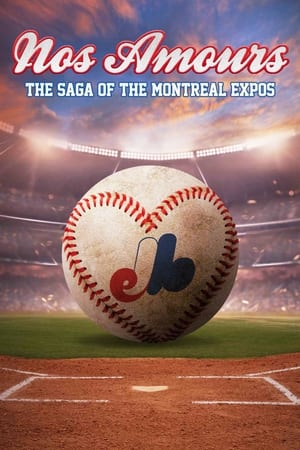
The film explores key moments in the history of the Expos as well as the relentless efforts to bring major league baseball to Montreal. Continuation of the work released in 2003.
The history of the Negro Leagues is often a forgotten part of baseball history. Despite its popularity and wealth of talent, the era was not well documented. Pride and Perseverance sheds light on this period and shows how it laid the groundwork for today's African-American players in Major League Baseball. With rarely seen footage from the 1920s through 1950s, these extraordinary stories illustrate the birth of the Negro Leagues and depict both the struggles endured and milestones achieved by its players. The film also highlights Negro League innovations that helped shape modern day baseball, such as the Leagues' usage of portable light towers to enable games to be played after dusk for the first time ever
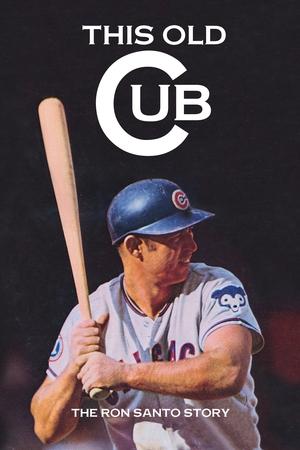
Jeff Santo explores the life and career of his father, Chicago Cub great Ron Santo.
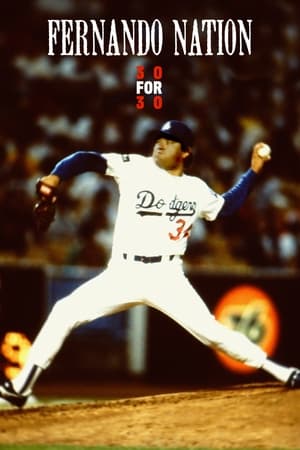
In Fernando Nation, Mexican-born and Los Angeles-raised director Cruz Angeles traces the history of a community that was torn apart when Dodger Stadium was built in Chavez Ravine and then revitalized by one of the most captivating pitching phenoms baseball has ever seen. Nicknamed “El Toro” by his fans, Fernando Valenzuela ignited a fire that spread from LA to New York—and beyond. He vaulted himself onto the prime time stage and proved with his signature look to the heavens and killer screwball that the American dream was not reserved for those born on U.S. soil. In this layered look at the myth and the man, Cruz Angeles recalls the euphoria around Fernando’s arrival and probes a phenomenon that transcended baseball for many Mexican-Americans. Fernando Valenzuela himself opens up to share his perspective on this very special time. Even 20 years later, “Fernandomania” lives.
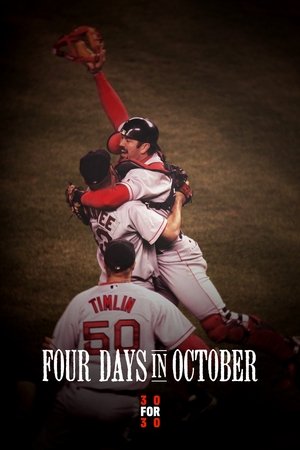
When the night of October 16, 2004 came to a merciful end, the Curse of the Bambino was alive and well. The vaunted Yankee lineup, led by A-Rod, Jeter, and Sheffield, had just extended their ALCS lead to three games to none, pounding out 19 runs against their hated rivals. The next night, in Game 4, the Yankees took a 4-3 lead into the bottom of the ninth inning, then turned the game over to Mariano Rivera, the best relief pitcher in postseason history, to secure yet another trip to the World Series. But after a walk and a hard-fought stolen base, the cold October winds of change began to blow. Over four consecutive days and nights, this unlikely group of Red Sox miraculously won four straight games to overcome the inevitability of their destiny. Major League Baseball Productions will produce a film in "real-time" that takes an in-depth look at the 96 hours that brought salvation to Red Sox Nation and made baseball history in the process.
In the fall of 1993, in his prime and at the summit of the sports world, Michael Jordan walked away from pro basketball. After leading the Dream Team to an Olympic gold medal in 1992 and taking the Bulls to their third consecutive NBA championship the following year, Jordan was jolted by the murder of his father. Was it the brutal loss of such an anchor in his life that caused the world’s most famous athlete to rekindle a childhood ambition by playing baseball? Or some feeling that he had nothing left to prove or conquer in basketball? Or something deeper and perhaps not yet understood?
In 1982, Cody Webster and a small group of friends from Kirkland, Washington, sat anxiously in a dugout waiting to take the field for the championship game of the Little League World Series. Their focus was just about what you’d expect from any 12-year-old: hit the ball, throw strikes, cross your fingers and then maybe – maybe – you’ll win. Adults in the stands and watching from home saw a much broader field of play. The memories of American hostages and a crippling oil crisis were still fresh; the economic malaise of the late 1970s still lingered; and the new President was recovering from an assassination attempt even while confronting new threats from the Soviet Union. Meanwhile, back on that tiny baseball field in Williamsport, Pennsylvania, no American team had won a true international Little League World Series Championship in more than a decade. When the Kirkland players rushed from their dugout that day, they stepped onto a much bigger field than the one they saw.
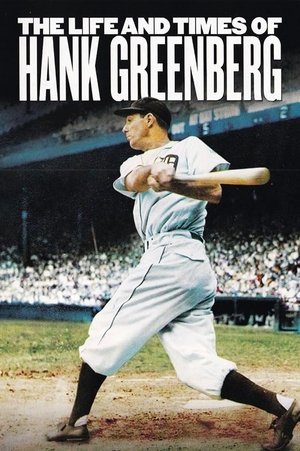
The story of Baseball Hall-of-Famer Hank Greenberg, the first major Jewish baseball star in the Major Leagues, is told through archival film footage and interviews with fans, former teammates, friends, and family. As a great first baseman with the Detroit Tigers, Greenberg endured antisemitism and became a hero and source of inspiration throughout the Jewish community, not incidentally leading the Tigers to Major League dominance in the 1930s.
The T206 Honus Wagner is the most famous baseball card in the world. Bought and sold many times over, the card has now appreciated to nearly $3 million dollars. But, this gem may have been doctored. From mere speculation, the accusations of alteration have risen all the way to federal indictments. But this is still 'just' a baseball card. It is a small square in the tapestry of our national pastime. And, as the art world readily illustrates, it may be that no matter what was done or not done to 'The Card,' its value really does lie in the eye of the beholder.
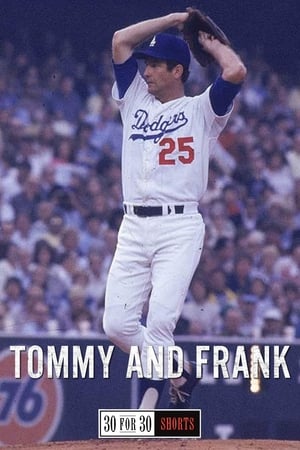
An intimate, funny and compelling take on the unique relationship and shared legacy of Tommy John, the chatty Indiana lefty who won nearly 300 Major League games, and Dr. Frank Jobe, the unassuming L.A. Orthopedist who conceived and performed a revolutionary elbow operation on John in 1974.
The season's schedule for major league baseball affects the lives and moods of millions of Americans. Each year executives and managers ridicule the logic, sportswriters and broadcasters question the sanity, and athletes and fans cast blame. Yet not many people know how it is that the MLB schedule is figured out, and even fewer have any idea what is involved. The masterminds for 25 years behind this massive logistical undertaking were Henry and Holly Stephenson. A husband and wife duo working out of an upstairs bedroom in their Staten Island home with a computer, a pencil and a great deal of cooperation. How did this mom-and-pop team ever end up with the daunting and thankless job of MLB scheduling? This is the story of how the Stephensons landed their first MLB contract and became "The Schedule Makers."
On October 2nd, 1977 Dusty Baker hit his 30th homerun of the season. As Baker rounded the bases, an excited rookie named Glenn Burke met him at home plate, raised his arm high in the air and slapped Baker's hand. It was the first high five recorded in the history of sports. A year later, Burke was forced out of baseball amid rumours of his sexual orientation.
In the summer of 2001, a controversy unlike any other led to the disqualification of the Bronx baseball team from the Little League World Series. At the center of the bizarre story was a quiet, unassuming 14-year-old kid named Danny Almonte. Nicknamed "The Little Unit," the hard-throwing left-hander was exposed by Sports Illustrated as being too old to have competed in the tournament. The story instantly caught national and even international attention, as Danny was pushed into the spotlight and accused of cheating in the most sacred of all amateur sports. Twelve years later, the reclusive Almonte finally tells the truth about one of the strangest chapters in youth sports history: a hoax that would forever change the way people view amateur athletics in America.