Your first date becomes your worst nightmare...
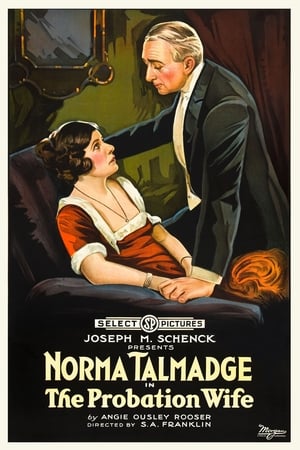
A 1919 film directed by Sidney Franklin.
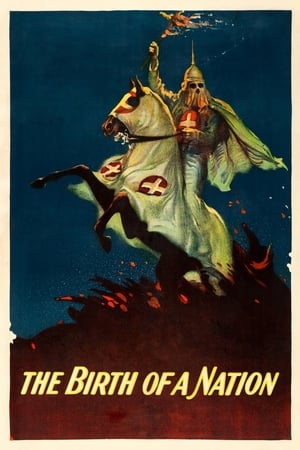
Two families, abolitionist Northerners the Stonemans and Southern landowners the Camerons, intertwine. When Confederate colonel Ben Cameron is captured in battle, nurse Elsie Stoneman petitions for his pardon. In Reconstruction-era South Carolina, Cameron founds the Ku Klux Klan, battling Elsie's congressman father and his African-American protégé, Silas Lynch.
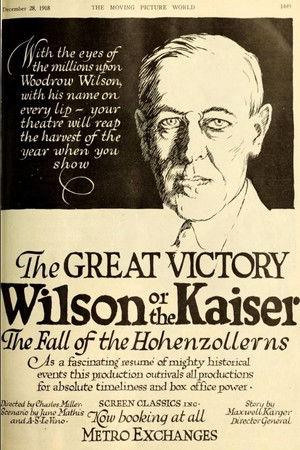
After a prologue where we are shown the backgrounds of Wilhelm II and Woodrow Wilson, we see the story of Conrad Le Brett from Alsace-Lorraine. Forced to fight for Germany Conrad, sees soldiers taking girls into a church to rape them and kills one who murders a baby. Shot in the encounter he is taken to a Brussels hospital run by nurse Edith Cavell where he falls in love with American nurse, Amy Gordon. After Edith Cavell assassination and the murder of Conrad’s sister Vilma by the evil Lieutenant Ober Conrad honors her dying request that he go to America and defend Alsace-Lorraine's reputation. Once there he convinces President Wilson that Alsatians should be allowed to enlist. Fighting with the "doughboys," Conrad kills Ober, and after the armistice, returns to Amy.
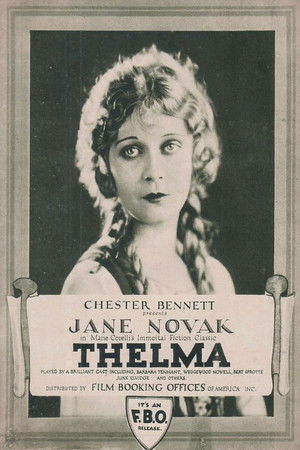
Though loved by many in her Norwegian village home, Thelma herself does not know love until she meets Sir Phillip Errington. They are married and go to London, where she is well received except by Phillip's jealous "friends." Lady Clara and Lennox plot to make Phillip appear to be unfaithful, and Thelma returns to Norway. Phillip, however, pursues her and proves his innocence.
A beautiful and ambitious young woman leaves her boyfriend for a famous sculptor, and later--after she models for his statue "Miss Ambition"--marries an old but wealthy art collector. However, things don't turn out quite the way she planned.
Following her mother's advice to marry for wealth, model Marcia Ventnor turns down the proposal of Oliver Lawton, whom she loves, so as to accept wealthy George Hunt, an importer of oriental rugs. They go to Turkey on their honeymoon, and Hunt enlists her charms to secure a contract from rug maker Afeif Bey, whose infatuation with Marcia provokes her husband's jealousy.
A series of 12 2-reel episodes, each a separate and unrelated story, relating the adventures of Christopher Race and his high-powered automobile, The Scarlet Runner. Each episode has a different cast, except for the continuing role of Earle Williams. Episode titles are: #1: The Car and His Majesty (1916); #2: The Nuremberg Watch (1916); #3: The Masked Ball (1916); #4: The Hidden Prince (1916); #5: The Jacobean House (1916); #6: The Mysterious Motor Car (1916); #7: The Red Whiskered Man (1916); #8: The Glove and the Ring (1916); #9: The Gold Cigarette Case (1916); #10: The Lost Girl (1916); #11: The Missing Chapter (1916); #12: The Car and the Girl (1916).
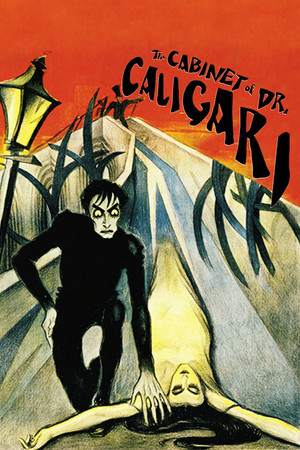
Francis, a young man, recalls in his memory the horrible experiences he and his fiancée Jane recently went through. Francis and his friend Alan visit The Cabinet of Dr. Caligari, an exhibit where the mysterious doctor shows the somnambulist Cesare, and awakens him for some moments from his death-like sleep.
After the death of her sewing machine tycoon husband, a young woman is cold-shouldered by her grasping in-laws. She heads to New York City and meets a man, falls in love and gets married. Unknown to her, her new husband is after what he thinks to be her fortune, in revenge for the theft of his father's patents that made the sewing machine profits. Discovering that she is in fact penniless, they both reconcile.
Ben Trimble, a country boy visiting the city, becomes involved with a safecracker and finds himself sliding into a life of crime. But chance provides him with an opportunity to redeem himself.
Comedy of a school marm teaching a social climber some life lessons.
When Arthur Gilpin, a black night watchman, finds young Myrtle Gunsaulus mysteriously murdered in the basement of a factory, he is charged with the crime. The film is now believed to be lost.
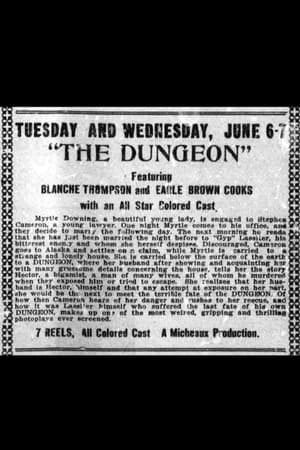
Myrtle Downing, an African-American woman, is coerced into marrying a corrupt would-be politician named Gyp Lassiter, even though she is really in love with Stephen Cameron, a young lawyer. When she discovers that her husband has conspired to support segregationist policies in exchange for support by white political power brokers, she objects to his crooked dealings and gets herself imprisoned in a secret dungeon where her husband had murdered his previous wives. Presumed to be a lost film.
Deceit (sometimes referred to as The Deceit) is a 1923 American silent black-and-white film. It is a conventional melodrama directed by Oscar Micheaux. Like many of Micheaux's films, Deceit casts clerics in a negative light. Although the film was shot in 1921, it was not released until 1923. It is not known whether the film currently survives, which suggests that it is a lost film. The 1922 film The Hypocrite was shown within Deceit as a film within a film.
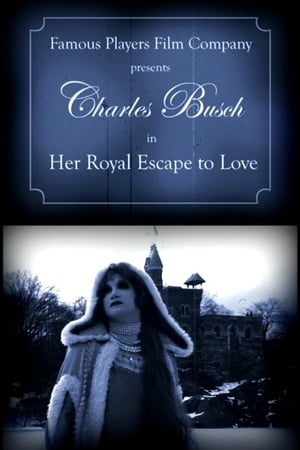
Photoplay and Direction by Charles Busch
Photographer Peter Christiansen, University of Miami student, does a picture story at an LSD party on the beach.
German silent film
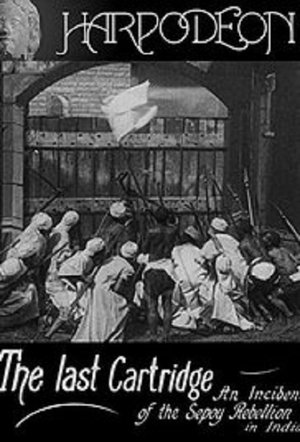
Caught off-guard by Indian mutineers, a British soldier saves his last bullet for his daughter, lest she be taken.
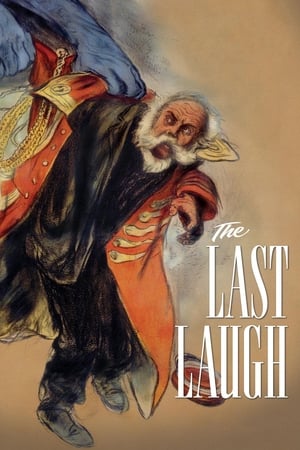
An aging doorman, after being fired from his prestigious job at a luxurious hotel, is forced to face the scorn of his friends, neighbours and society.