The Europeans want to be forgiven for the tragic colonial period. The aborigines try to preserve their ancient roots from the present and the future. In the North Territory.
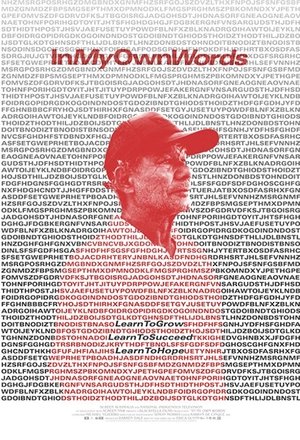
The raw, heartfelt and often funny journey of adult Aboriginal students and their teachers as they discover the transformative power of reading and writing for the first time.
For both Aboriginal and non-Aboriginal Australians, Captain James Cook is a figure of great historical significance.
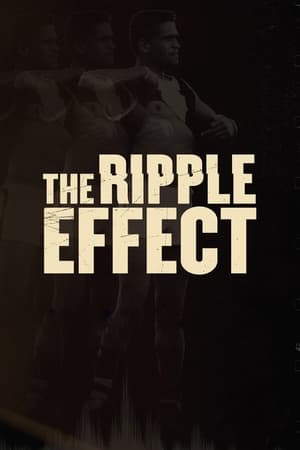
The Ripple Effect is a powerful documentary primarily centred around St Kilda legend and proud Noongar Nicky Winmar's generation-defining stand against racism at Victoria Park in 1993.
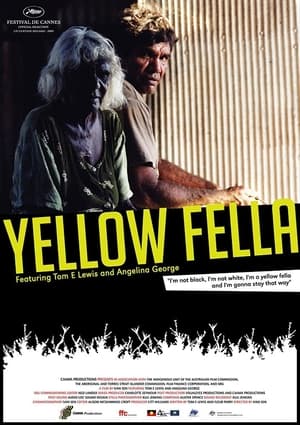
In 1978, Tom Lewis appeared in the Australian feature film, The Chant of Jimmie Blacksmith. The life of the character he played was hauntingly close to his own, a young, restless man of mixed heritage, struggling for a foothold on the edge of two cultures. Tom's mother is a traditional Indigenous woman of southern Arnhem Land, his father a Welsh stockman who he never really knew. Yellow Fella is a journey across the land and into Tom's past, as he attempts to find the resting place of his father and to finally confront the truth of his most inner feelings of love and identity.
Two Aboriginal families live like their ancestors have for centuries in this anthropological documentary. The gathering of food is the main focus as women harvest grass seeds to make a primitive flour for bread. Grubs, lizards, and fruit are also on the menu, with the only contact with the modern world being their trek to a government compound for much-needed drinking water.
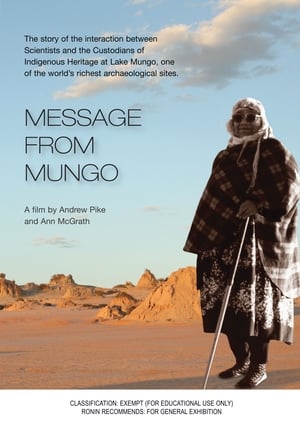
Lake Mungo is an ancient Pleistocene lake-bed in south-western New South Wales, and is one of the world’s richest archaeological sites. Message from Mungo focuses on the interface over the last 40 years between the scientists on one hand, and, on the other, the Indigenous communities who identify with the land and with the human remains revealed at the site. This interface has often been deeply troubled and contentious, but within the conflict and its gradual resolution lies a moving story of the progressive empowerment of the traditional custodians of the area.
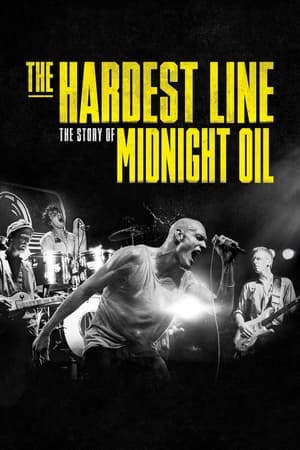
Across a 45-year career ‘The Oils’ helped shape modern Australia with anthems like “US Forces”, “Beds Are Burning” and “Redneck Wonderland”. Featuring unseen footage and interviews with every band member, alongside signature moments including the outback tour with Warumpi Band, their Exxon protest gig in New York and those famous “Sorry” suits at the Sydney Olympics, Midnight Oil: The Hardest Line traces the journey of Australia’s quintessential rock band.
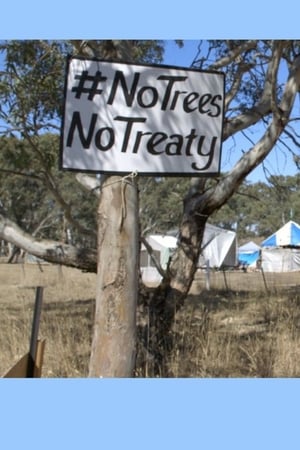
Young Aboriginal people who are traditional custodians in Victoria explore the Treaty process with questions, concerns and their opinions. Sharing their insights into what has been happening and what needs to happen.
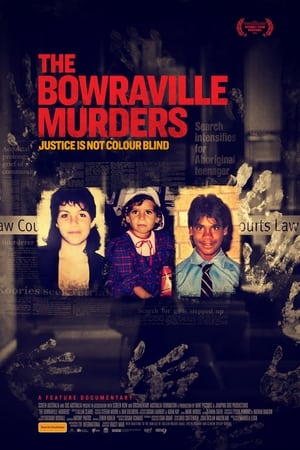
The epic David vs Goliath battle for justice waged by the families of three Aboriginal children murdered in a small rural town 30 years ago, the system that failed them, and what it reveals about racism in Australia today.
Shows the Kakadu lands in Northern Australia and the people who live there, the Gagudju Aborigines, their story and their culture.
A film collaboration between Quenten Agius (Aboriginal storyteller) and Kim Mavromatis (mixed media producer). Filmed on Ngadjuri country, Mid North and Southern Flinders Ranges region of South Australia. The film incorporates 10 years of archival material, shot with 8 different cameras, including 3 drones and a mobile phone camera.
Essie Coffey gives the children lessons on Aboriginal culture. She speaks of the importance of teaching these kids about their traditions. Aboriginal kids are forgetting about their Aboriginal heritage because they are being taught white culture instead.
A story of resistance across generations, the power of family and the unrelenting struggle for justice in a country that remains in denial.
On June 21 2007, the Howard Federal Government launched an intervention into Aboriginal communities in the Northern Territory. It was one of the most dramatic policy shifts in the history of Aboriginal affairs. Relentless media attention focuses on ideological arguments for and against the Intervention, while the voices of those affected by the policy are rarely heard. For this film more than 40 Alice Springs town camp residents were interviewed in depth over the course of eight months to find out the answer to the question - is it working?
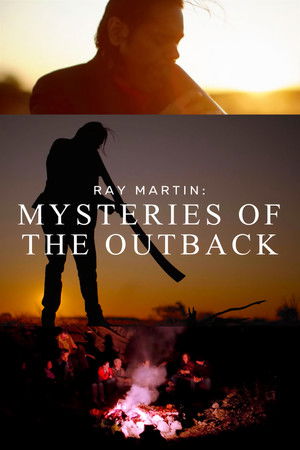
Ray Martin goes on a grand quest to locate a mysterious outback rock formation he spotted and photographed from an airliner 37,000 feet in the air.
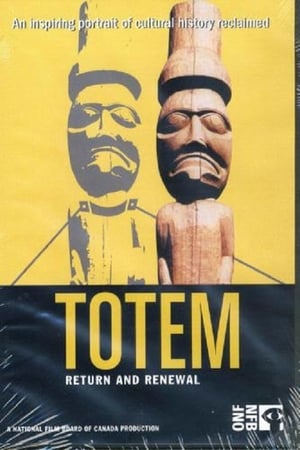
In this follow-up to his 2003 film, Totem: the Return of the G'psgolox Pole, filmmaker Gil Cardinal documents the events of the final journey of the G'psgolox Pole as it returns home to Kitamaat and the Haisla people, from where it went missing in 1929.
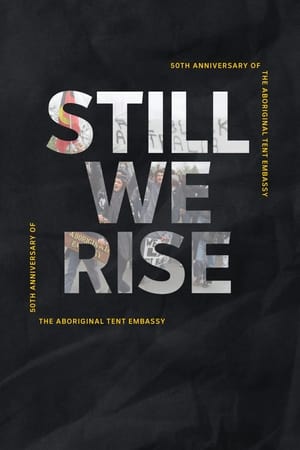
50 years on, the Aboriginal Tent Embassy is the oldest continuing protest occupation site in the world. Taking a fresh lens this is a bold dive into a year of protest and revolutionary change for First Nations people.
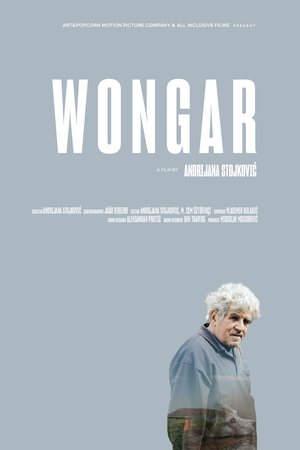
Australian writer Wongar lives a secluded life taking care of his 6 dingoes for which he believes embody the spirits of his tragically lost Aboriginal family.
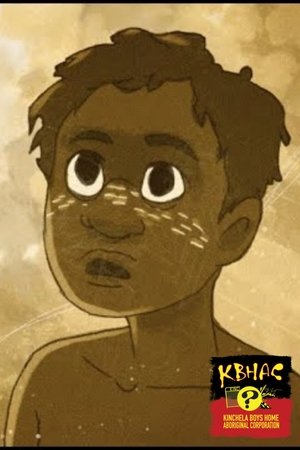
Between 1924 to 1970, Kinchela Boys Home in Kempsey, New South Wales, saw an estimated 400 to 600 Aboriginal children exposed to routine acts of cultural genocide and remains one of Australia’s most notorious institutions of the Stolen Generations. After being stolen from their families, country, and community, children were stripped of their names, given numbers, and subjected to ‘reprogramming’ and strict regimes of manual labour. We Were Just Little Boys is narrated by KBH survivors.