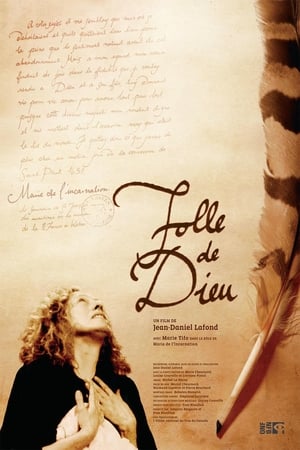
This feature-length film tells the story of the passion between Marie de l’Incarnation, a mid-seventeenth-century nun and God, her "divine spouse." Fusing documentary and acting by Marie Tifo, whom we follow as she rehearses for this demanding role, the film paints an astonishing portrait of this mystic who abandoned her son and left France to build a convent in Canada, where she became the first female writer in New France.
For Muslims everywhere, the ultimate goal is to make the Hajj at least once during their lifetime. This spiritual journey is the basic premise of an entire religion and sees impoverished African Muslims mixing with their incredibly wealthy Western counterparts. This documentary follows some of the 20,000 Britons who make the journey to Mecca, unravelling the mysterious aura that surrounds this remarkable event. Combining the wondrous backdrop of Mecca with intriguing interviews that provide a previously undocumented view of Islam, Hajj will enchant both Muslims and non-Muslims alike.
In 1967, Visconti came to Algiers for the filming of The Stranger with Mastroianni and Anna Karina. Camus, during his lifetime, had always refused to allow one of his novels to be brought to the screen. His family made another decision. The filming of the film was experienced in Algiers, like a posthumous return of the writer to Algiers. During filming, a young filmmaker specializing in documentaries Gérard Patris attempts a report on the impact of the filming of The Stranger on the Algerians. Interspersed with sequences from the shooting of Visconti's film, he films Poncet, Maisonseul, Bénisti and Sénac, friends of Camus, in full discussions to situate Camus and his work in a sociological and historical context. “The idea is for us to show people, others, ourselves as if they could all be Meursault, or at least the witnesses concerned to his drama.”
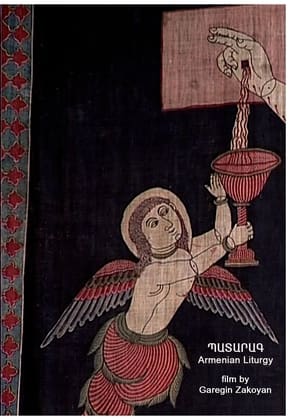
An enthralling and thorough documentation of the traditional Armenian church liturgy.
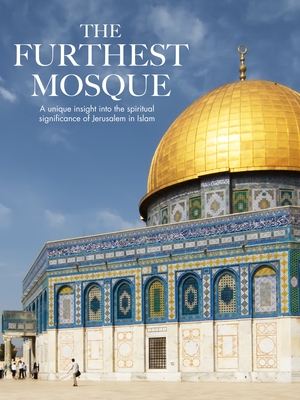
Following the Prophet Muhammad’s (PBUH) recommendation to journey to three mosques - (in Makkah, Madinah and Jerusalem), this film sets out in the company of British bass player Danny ‘Hamza’ Thompson to discover the reasons why the last of these three holds such an important place in the hearts of Muslims everywhere.
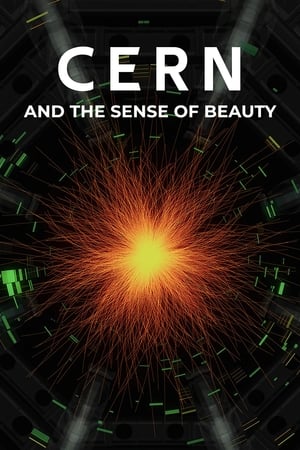
An exploration of the link between science and beauty through the work of scientists at CERN, in Geneva.
In this fascinating and unusual conversation, writer and physician Deepak Chopra talks to religion professor Robert Thurman about the connections and differences between two of India's most important philosophical beliefs: Vedanta and Buddhism. Chopra explores the foundation of Vedanta, while Thurman -- the father of actress Uma Thurman -- provides the Buddhist point of view in this meeting held in 1999 at New York City's Tibet House.
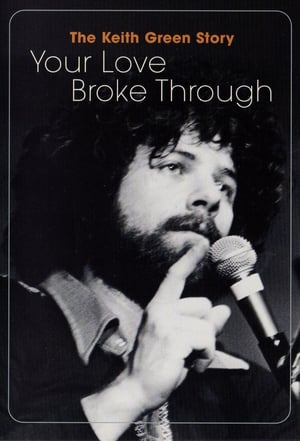
The long awaited documentary of a life that has challenged and inspired countless lives. Told by the people who knew Keith best, this biography is a story of God’s love impacting a generation by living a life without compromise. Because Keith's message was really a simple call to live out the Gospel, it remains as relevant today as when he first sang and spoke it.
A look from the inside out at a community that was led for decades by the now imprisoned religious prophet who controlled many to quell his demands and desires.
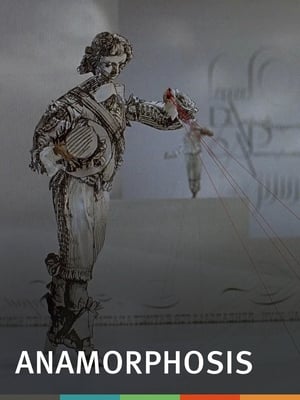
The Quays' interest in esoteric illusions finds its perfect realization in this fascinating animated lecture on the art of anamorphosis. This artistic technique, often used in the 16th- and 17th centuries, utilizes a method of visual distortion with which paintings, when viewed from different angles, mischievously revealed hidden symbols.
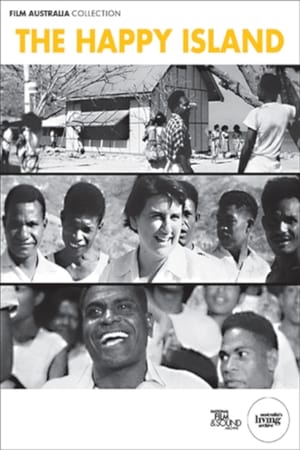
The Happy Island looks at the work of the London Missionary Society on Gemo (now Hanudamua) Island in Port Moresby harbour, Papua New Guinea, which from 1937-1974 treated people who suffered from infectious diseases, mainly leprosy and tuberculosis. The film offers insight into the attitudes and practices of Christian missionaries of that time. Despite the colonial paternalism that underpins the Missionary Society’s model of care, the film tells the story of a happy, active community, as it follows the lives of the patients, their families and the dedicated staff, all of whom live, work and socialise on the island together.
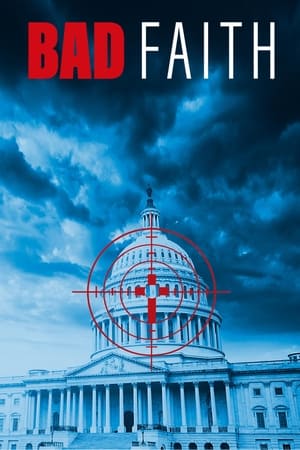
On January 6, 2021, Americans witnessed an attack on the U.S. Capitol without precedent in our history. Armed militiamen and QAnon followers made headlines, but among them were a sea of crosses and Christian flags, rosaries and "Jesus Saves" signs. What motivated so many Christians to participate in this violent assault?
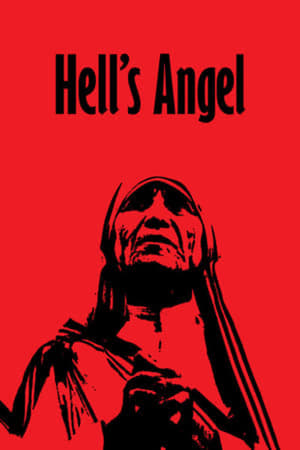
Christopher Hitchens investigates whether Mother Teresa of Calcutta deserves her saintly image. He probes her campaigns against contraception and abortion and her questionable relationships with right-wing political leaders.
Even death is in movement, since the soul is going someplace else. A short film inspired by Jacques Languirand's philosophic work.
Philosopher Johnny Golding ruminates on a formative childhood experience, when her father brought home an early prototype of night vision he was working on for the American Military 'Project Eyeglass'. Shot using corrupted night-vision footage, the film explores Johnny's interest in quantum physics, entanglement and her philosophy of Radical Matter.
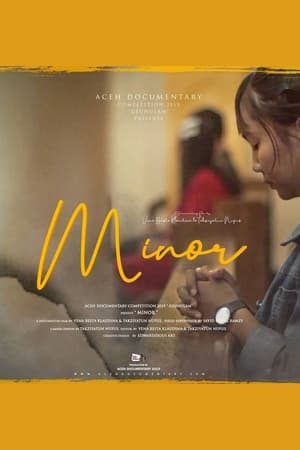
Vena, a Catholic, lives in the Muslim-majority region Aceh. Vena wears veil in her daily life and befriends many Muslim friends. Nevertheless, how can she be herself and adapt as a minority at the same time? Family plays an important role in her life.
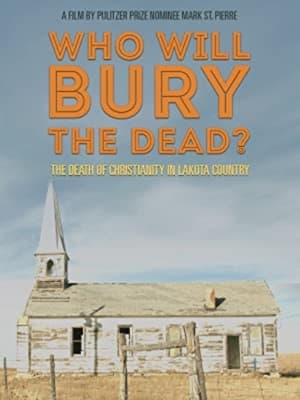
This documentary offers a deep, candid, and historical look at the Christian experience of America's largest and best-known tribes: the Dakota and Lakota. Its exploration into Native American history also takes a hard and detailed look at President Ulysses S. Grant's Peace Policy of 1873, which was, in effect, a "convert to Episcopalianism or starve" edict put forth by the American government in direct violation of its Constitution. The devastation it had on the values of the people affected were dramatic and extremely long-lasting. Grant's policy was finally ended over 100 years later by the Freedom of American Indian Religions Act in 1978. Interlaced with extraordinarily candid interviews, this documentary presents an insider's perspective of how the Dakota and Lakota were estranged from their religious beliefs and their long-standing traditions.
Alan Watts talks about our perception of the world, and how we derive metaphysics from it. Watts recorded this video in 1971 as a pilot for a public television series in the United States.
Alan Watts discusses the Western dichotomy of work and play, and explains that when you take the play out of work life becomes joyless drudgery.
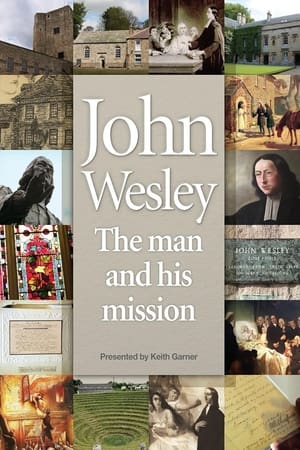
Keith Garner visits historical locations, elegant chapels and bustling city centres as he discovers the impact of the work of cleric and theologist John Wesley, 200 years after his death.