Marcela, Anabella and Estrella are three trans women who have defied the lifespan expected for a trans person. Through their recollections, one explores the memory’s strength, resistance and love for life of these three women.
Documentary in four parts on Latin American cinema. Second episode, evoking the border between fiction and documentary. With his film Tire dié (1960), the Argentinian Fernando Birri proposed this manifesto: to create a realistic and critical national cinema, closer to society without falling into populism.
Documentary in four parts on Latin American cinema. Fourth episode: in Cuba, the ICAIC, created in the aftermath of the Castro revolution, is at once a film school, a production company and a state cultural branch. Cuban filmmakers testify to the situation and themes specific to their national cinema.
Documentary in four parts on Latin American cinema. First episode: the influences of Cahiers du cinéma, the New Wave, Italian neorealism. In Brazil, Cinema Novo draws inspiration from these models while drawing on the historical and cultural singularity of the country. The documentary was awarded the Prix Makhila d’or at the Festival de Biarritz, France.
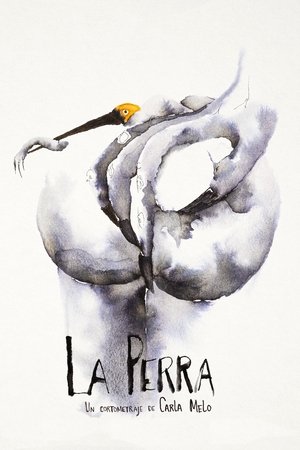
In Bogota, a bird-girl leaves behind the family home, her domineering mother and faithful dog to go and explore her sexuality.
Two friends, a boat, and a sun that always is.
Lia
Jimena admires the perfection of her parents marriage. However, an unexpected gesture from her mother awakens a doubt in her that begins to unsettle the idealized image she has always had of her family. Jimena confronts the hidden side of morality and comes to understand that nothing is as it seems.
Astrobonde
Marcha al límite austral de la patria
Anthony Blake: el Sol es el cerebro de la Tierra
A documentary about the lives of five working artists (two musicians, an actor, and two fine artists) who may not be household names, but have been successful making a living with their art.
The urge to participate in wars in East Asia. Propaganda aimed at the Indonesian population with text, among others, comes from the national anthem of Indonesia Raya.
A New York Times documentary mini-series revealing the dark and troubling history of Soviet and Russian misinformation campaigns on foreign governments.
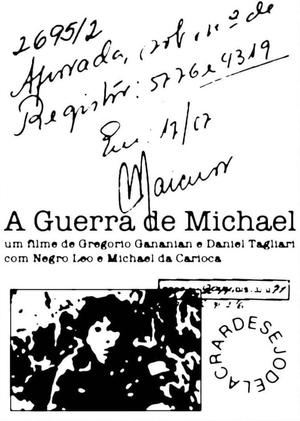
Negro Leo, recording session.
A documentary that explores the roots and consequences of Argentina's profound economic, political, and social crisis. It offers a critical and analytical look at a system that has proven insufficient and socially unsustainable as a form of development in an Argentina that has witnessed a severe and violent crisis that demands a new form of development and social organization to overcome.
Seven successive Grand Finals, four premierships and a string of champion players.
"The Clifton Rapist" stalked the Bristol Downs during the 1970s carrying out a series of sex attacks on women, but it was a young female police officer who caught him and sent him down in a ground-breaking decoy operation.
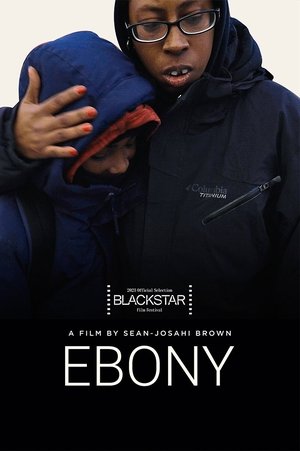
A single mom raising six kids in a transitional housing program in Brownsville, Brooklyn, Ebony aims to create a better life for her children by moving them into permanent housing. This sensitive narrative playfully blends Ebony's story with footage taken by her children. Their cinematography composes the essence of their day-to-day life, from mundane chores to hard fought moments of dancing and joy. Ultimately, a story of optimism shines from the most unlikely place.
This documentary serves as a beginner’s guide to world of Soviet animation, which covers the entire history of the USSR.