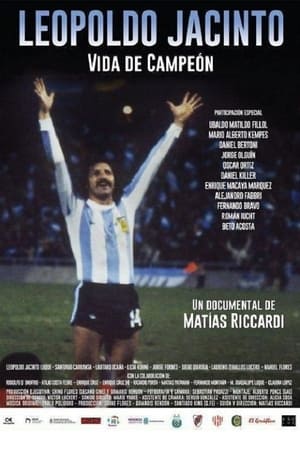
Documentary about the life story of one of Argentina's sports idols. One of the forty-three soccer players who won a World Cup, a fight. Filmed in Mendoza, Santa Fé, Rosario and Buenos Aires.
Three brothers and their seven children, dive into a land unknown for them. Only able to find interesting and not so interesting landscapes, the Velis family creates a fictional character, Mariano, dedicated to document their improvised situations in order to have a good time.
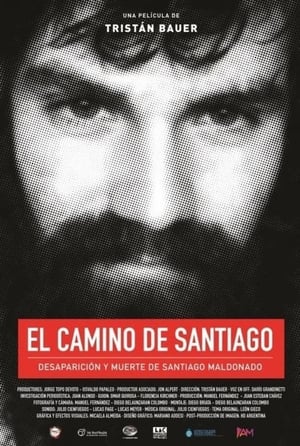
Santiago Maldonado disappeared in the midst of repression against a Mapuche community that claimed to Luciano Benetton for his land. His body was found 78 days later. The need for truth and justice continues
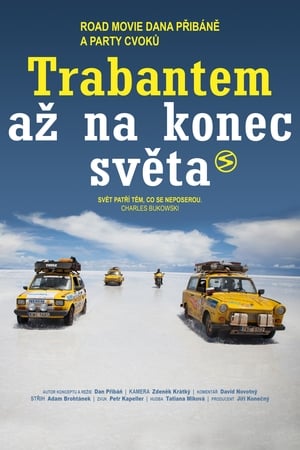
The third installment in Dan Přibáň's series of travel documentaries describes the author's journey with his friends across South America in vehicles that are often notorious but cult in their own way. The charming dynamics of the group on screen are further enhanced by the high-quality craftsmanship.
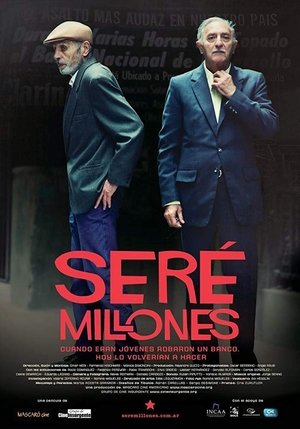
In January 1972, during General Lanusse's dictatorship in Argentina, a group of revolutionary activists occupied the National Development Bank, just meters from the Government House, expropriating 450 million pesos (approximately 10 million dollars today) for their cause. This was made possible by Oscar Serrano and Ángel Abus—activists and bank employees—who spent two years preparing what would become the biggest blow to the dictatorship's finances. Forty years later, Oscar and Ángel, along with a group of actors, recreate those events that changed their lives. In this dialogue between generations, the young people transform their perspective on activism and commitment during those years. Narrated through several cinematic layers, Seré Millones (I Will Be Millions) offers an innovative story that blends humor, rigorous historical research, and the epic spirit of the era.
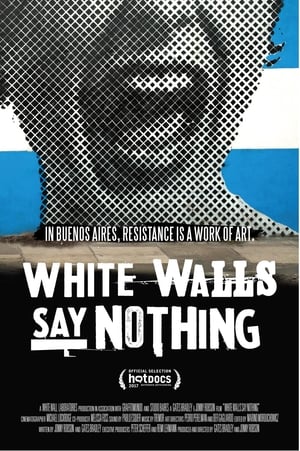
Buenos Aires is a complex, chaotic city. It has European style and a Latin American heart. It has oscillated between dictatorship and democracy for over a century, and its citizens have faced brutal oppression and economic disaster. Throughout all this, successive generations of activists and artists have taken to the streets of this city to express themselves through art. This has given the walls a powerful and symbolic role: they have become the city’s voice. This tradition of expression in public space, of art and activism interweaving, has made the streets of Buenos Aires into a riot of colour and communication, giving the world a lesson in how to make resistance beautiful.
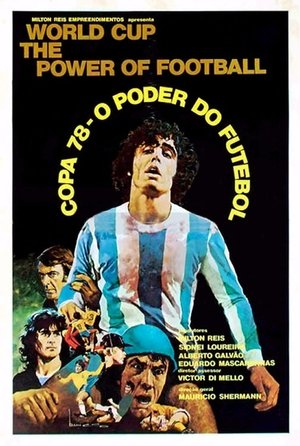
Documentary about the Football World Cup held in Argentina in 1978, focusing on the competition and behind the scenes of the most important soccer competition in the world. Two versions of the 1978 official film exist, the first "Copa 78 - O Poder do Futebol" was made by Brazilian directors Maurício Sherman and Victor di Mello in 1979 but was later withdrawn by FIFA because of its controversial content. The film includes an interview with Rodolfo Galimberti, one of the leaders of the Montoneros guerrilla group and also made accusations that the Argentinian competition organisation committee had deliberately hindered Brazilian chances of success by tampering with the pitch at Mar del Plata.
Short documentary focused on the figure of Scaloni, the young coach of the Argentine national soccer team.
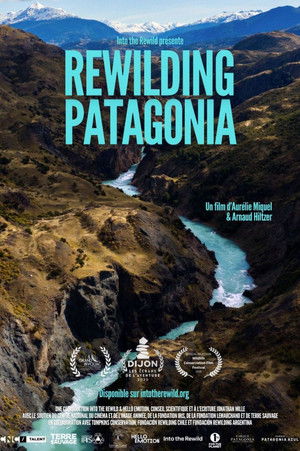
This is one of the most beautiful rewilding stories of our time, that of Douglas and Kristine Tompkins, a couple of successful entrepreneurs – The North Face and Esprit – who decided to dedicate themselves to protecting vast territories in Patagonia. The results of their actions are astounding: in 30 years they enabled the creation and expansion of 18 national parks between Chile and Argentina, covering a total area of 7 million hectares, equivalent to the size of a country like Ireland. By transforming these spaces and reconstructing natural ecosystems, the development of these parks has also enabled the creation of social bonds, developed a new form of economic activity, brought forth a political space, and contributed to strengthening the population’s sense of belonging to their territories.
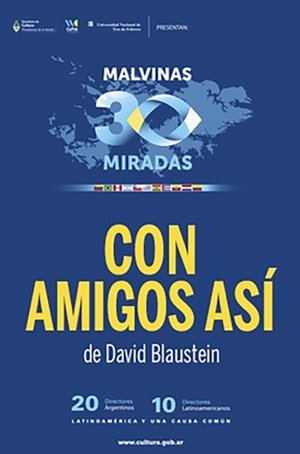
The Falklands War began on April 2, 1982, with the Argentine landing on the islands ordered by Leopoldo Fortunato Galtieri, and culminated with the cessation of hostilities between Argentina and the United Kingdom of Great Britain on June 14, 1982. Through dynamic editing and the use of archival materials, the documentary considers the war as part of our recent past, but also opens up multiple questions and reflections on contemporary society and the future projection of what such a conflict generates for us Argentines.
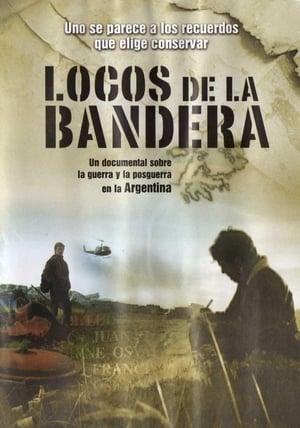
The story of the relatives of the 649 Argentine fallen in the Malvinas War, who as soon as the military conflict ended, found themselves alone with their pain and prevented from approaching the grave of their loved ones, either because their bodies were left in the Cemetery of Darwin, in the Malvinas, or because they disappeared without being identified.
In the 2000s, Vicente Viloni and La Masa became legendary wrestling rivals and idols for kids across the country. The hit television show "100% Lucha" brought a spectacle of skill and drama to every home, forging a famous rivalry that transcended the screen, leaving a mark on national culture. After the conflict that separated them for ten years, they face each other in the ring and relive great moments from their careers.
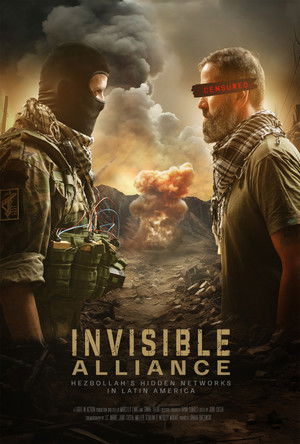
A Hezbollah suicide bomber breaks silence to reveal the inner workings of the organization and his involvement in a narcotrafficking alliance with the FARC. Discover the hidden agendas between Iran, Latin American governments and organized crime.
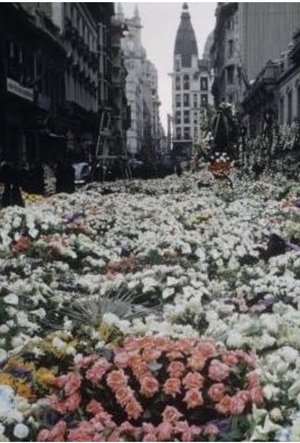
Documentary depicting the funeral of Argentinian First Lady Eva Perón in 1952.
A single female voice sings of waiting in her garden for her ‘dark-eyed sailor’ to return from war, bearing the other half of their token, a gimmel ring. Three veterans pass on the road as she waits, and she asks them: “When you were fighting in distant lands, did you think of the home you left?” In reply the veterans relate their recollections. The garden images in the accompanying film represent ‘home’, but also stand for a more general possibility of redemption, of the potential of the past to return at any time, disguised and changed, to renew the present: “Each moment of time is a garden gate,” the song goes, “Through it my love may walk.”
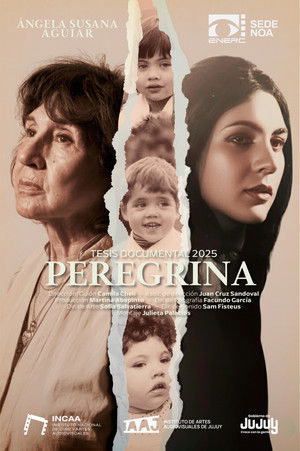
Peregrina
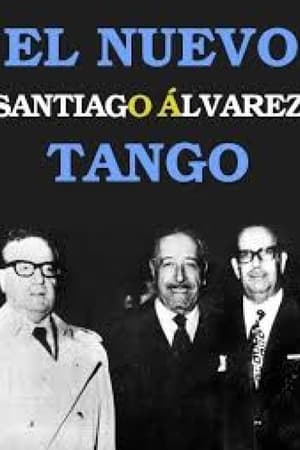
The New Tango (El Nuevo Tango) was not shown in Argentina for a long time as it deals with the ascent of Argentinean president Hector Campora in May 1973, and features Cuban and Chilean presidents, Osvaldo Dorticos and Salvador Allende. A million people gathered on the Plaza de Mayo to acclaim the new President. One of Cámpora's first presidential actions was a granting of amnesty to political prisoners who where jailed during the dictatorship. On 28 May Argentina restored diplomatic relations with Cuba, which then received Argentine aid - such as food and industrial products - to break the United States embargo against Cuba.
Buffa e Morales: storie di fútbol
Humo
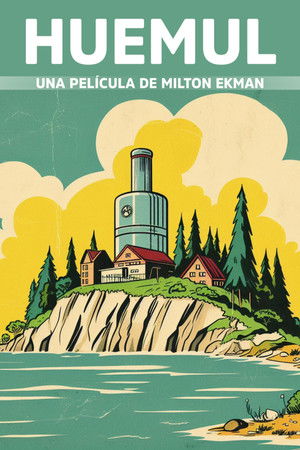
Huemul