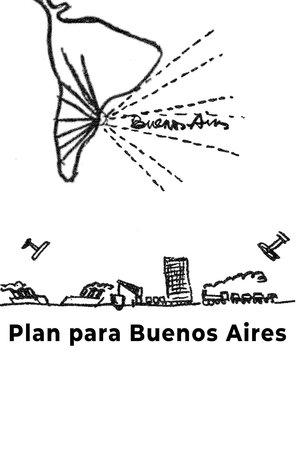
In 1929, Le Corbusier travels to Buenos Aires to give a series of lectures on Modern Architecture. During his visit, he proposed an urban plan for the city. Since his trip and for more than twenty years, he would obsessively develop his proposal, trying by all possible means to make the plan for Buenos Aires a reality.
Filomena
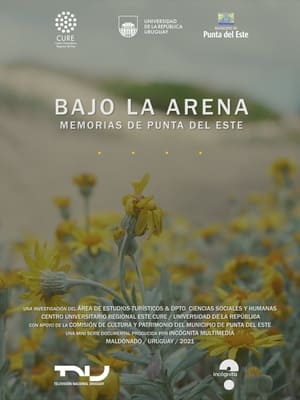
Punta del Este was built upon a small, treasurable port town still alive in the memories of former residents and visitors. However, talk of progress has arised in present times. A kind of progress involving physical, historical, spiritual destruction. Bajo la Arena poses a crossroads between the passage of time and its ever-present traces in the landscape and in people's affections.
Yo sí te quise
Caroianos, unha viaxe pola nosa historia rural
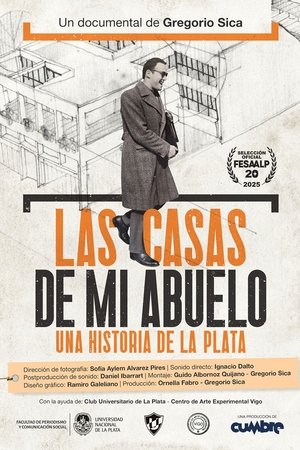
Las casas de mi abuelo
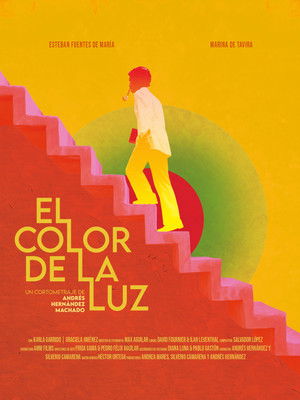
El Color de la Luz
A couple of neighbors investigate at night the disappearance of a newborn baby while the legend of a specter with a candle on its head follows in the shadow of their footsteps.
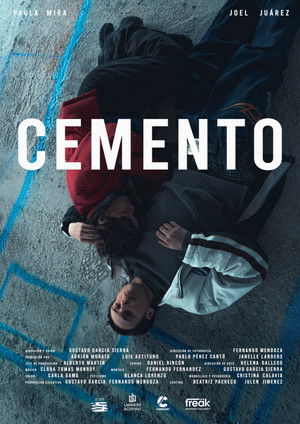
Cemento
A look at the state of the global environment including visionary and practical solutions for restoring the planet's ecosystems. Featuring ongoing dialogues of experts from all over the world, including former Soviet Prime Minister Mikhail Gorbachev, renowned scientist Stephen Hawking, former head of the CIA R. James Woolse
Illustrates and explains how the 2018 film Blindspotting was created. Features interviews with all involved in the film.
As Hong Kong's foremost filmmaker, Johnnie To himself becomes the protagonist of this painstaking documentary exploring him and his Boundless world of film. A film student from Beijing and avid Johnnie To fan, Ferris Lin boldly approached To with a proposal to document the master director for his graduation thesis. To agreed immediately and Lin's camera closely followed him for over two years, capturing the man behind the movies and the myths. The result is Boundless, a candid profile of one of Hong Kong's greatest directors and a heartfelt love letter to Hong Kong cinema.
Presented here is a 2001 "cinema lesson" from the Cannes Film Festival, featuring Wong and film theorist and producer Gilles Ciment.
A song is heard in the distance. It comes from the Hekeng village, famous for its ancient earthen buildings, also called tulou. It is where the last original Hakka families live amidst the exodus of those looking for a more modern environment. Among them there is Zhang Zhouyin, an elderly man concerned about the state of the village's temple; or her daughter-in-law, Wei Yi, who spends her entire day guiding tourists through these awe-inspiring houses. And then there’s young Zhang Weibo, her son, who manages to find joy even in the simplest of things... Hekeng: a place frozen in time whose songs have endured for centuries.
Part activist and part globe trekking photographer, Sebastião Salgado is most famous for recording the migration of people and culture around the world. In this extensive conversation, Sebastiao Salgado revisits his adventurous career via the breathtaking images he captured.
One of the greatest comedians of early television, Sid Caesar hasn't had his work shown in perennial reruns, so it's especially gratifying to see a collection of his classic sketches released on video, with Caesar himself introducing the material. Besides being a truly gifted comic, Caesar benefited from having some brilliant supporting players, including Carl Reiner, Imogene Coca, and Nanette Fabray. Some of his illustrious writers, including Neil Simon, Woody Allen, and Mel Brooks, appear in interviews setting up the sketches. The sketches themselves include some all-time classics such as Caesar and company playing the figurines populating a medieval town clock (a brilliant bit partly written by Neil Simon and his brother, Danny, who reminisce after the sketch).
Vienna’s Prater is an amusement park and a desire machine. No mechanical invention, no novel idea or sensational innovation could escape incorporation into the Prater. The diverse story-telling in Ulrike Ottinger’s film “Prater” transforms this place of sensations into a modern cinema of attractions. The Prater’s history from the beginning to the present is told by its protagonists and those who have documented it, including contemporary cinematic images of the Prater, interviews with carnies, commentary by Austrians and visitors from abroad, film quotes, and photographic and written documentary materials. The meaning of the Prater, its status as a place of technological innovation, and its role as a cultural medium are reflected in texts by Elfriede Jelinek, Josef von Sternberg, Erich Kästner and Elias Canetti, as well as in music devoted to this amusement venue throughout the course of its history.
Interviews with the owners and diverse patrons of a Jerusalem gay bar called "Shushan."
Eight years in the making, The Joe Show is a shocking and wildly entertaining documentary about America’s most controversial Sheriff, Joe Arpaio, and his ringmaster’s approach to modern media, politics and law enforcement. Joe's desire for fame changes democracy forever and the voters cheer as ratings soar. The Joe Show explores how Joe uses media and his role as Sheriff to make himself the most famous law enforcement officer in the world. Racism, sex crimes, illegal immigration, first amendment rights, deaths at the hands of his employees – even Obama’s birth certificate – are all issues Joe faces and spins. Featuring Larry King, Steven Seagal, Hugh Downs, Ted Nugent, Dan Ariely and Noam Chomsky A movie that will engage and enlighten both Joe’s detractors and supporters, the Joe Show takes a hard yet balanced look at how democracy can survive when persuading voters becomes more important than protecting them.
Attention: A Life in Extremes