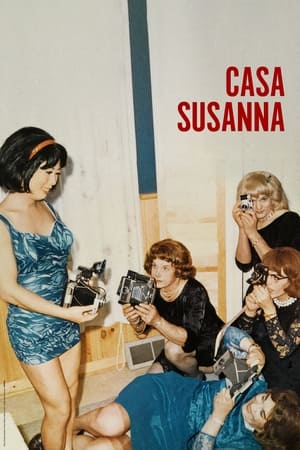
In the 50s and 60s, deep in the American countryside at the foot of the Catskills, a small wooden house with a barn behind it was home to the first clandestine network of cross-dressers. Diane and Kate are now 80 years old. At the time, they were men and part of this secret organization. Today, they relate this forgotten but essential chapter of the early days of trans-identity. It is a story full of noise and fury, rich in extraordinary characters, including the famous Susanna, who had the courage to create this refuge that came to be known as Casa Susanna.
Two men undertake a thought-provoking journey to parenthood. Not by adoption or surrogacy, but by Frankie, a trans man, carrying their baby. Made with support from NZ on Air.
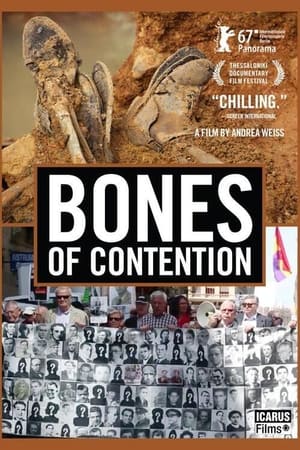
A history of the political and social repression carried out by the ruthless regime of Spanish dictator Francisco Franco between 1936 and 1975 that focuses on the lives of gays and lesbians during those dark years and the death of the Spanish gay poet Federico García Lorca.
Based on a poem by a Zimbabwean LGBT activist written in response to the gay hate speech that is being perpetuated president Robert Mugabe. The film was shot in South East London UK with a cast of six women from several African countries playing multiple roles in this portrayal of being a lesbian in homophobic Zimbabwe. Five of the actors and the producer are refugees who fled their countries in fear of persecution for their sexuality.
I'll just have cats documentary follows 21-year-old Kay Proctor as she delves into Britain’s evolving views on queer parenthood and questions whether she even wants children herself. Through conversations with queer parents and professionals, Kay confronts complex questions about her future. This award-winning documentary, recognised with multiple Royal Television Society Student Awards, offers a candid exploration of family, identity, and choice in modern Britain.
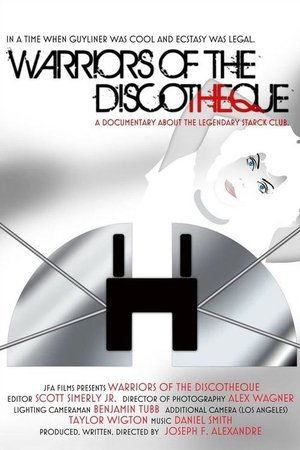
The place is the notorious Starck Club (so called because it was the first major project designed by Philippe Starck in the US.) The Starck Club opened in Dallas in 1984 and not long after hosted the 1984 national Republican Convention. Ironically, it was actually legal to buy MDMA aka ecstasy there, people would put it on their credit cards. The DEA stepped in and made it a category 1 drug on July 1, 1985... In a time when ecstasy was legal & guyliner was cool.
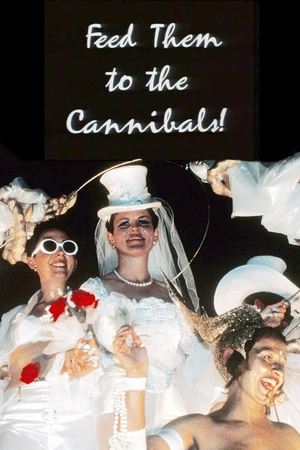
Originally broadcast on ABC's True Stories in 1993, Feed Them to the Cannibals tells the story of Sydney's Gay and Lesbian Mardi Gras. It was the first time cameras were allowed at Sleaze Ball and the Mardi Gras Party.
Documentary about the ten days the director spent in Moscow, during the 1986 Moscow Youth Festival, as kind of a gay delegate.
One of the earliest documentaries to deal with AIDS.
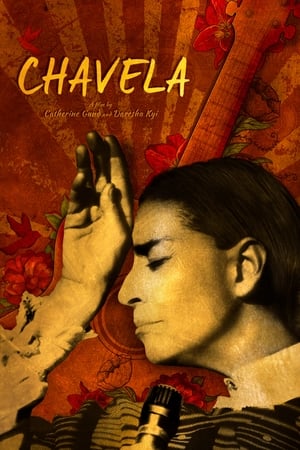
Inspired by an exclusive interview and performance footage of Chavela Vargas shot in 1991 and guided by her unique voice, the film weaves an arresting portrait of a woman who dared to dress, speak, sing, and dream her unique life into being.
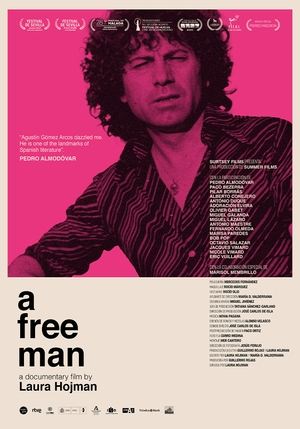
In the 1970s, Agustín Gómez Arcos rose to the top of French literature, while in his own country, Spain, his name remained hidden. A Free Man reflects on the recent history of Spain through silences, lost stories and the role of culture and memory.
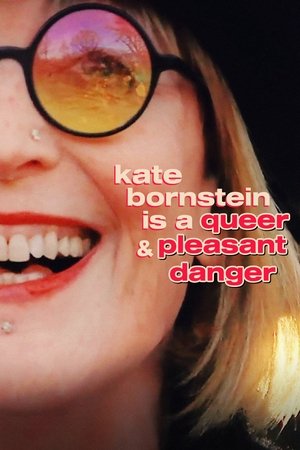
For decades, performance artist and writer Kate Bornstein has been exploding binaries and deconstructing gender. And, her own identity. Trans-dyke. Reluctant polyamorist. Sadomasochist. Recovering Scientologist. Pioneering Gender Outlaw. Kate Bornstein Is a Queer and Pleasant Danger, joins her on her latest tour capturing rollicking public performances and painful personal revelations as it bears witness to Kate as a trailblazing artist theorist activist who inhabits a space between male and female with wit, style, and astonishing candor. By turns meditative and playful, the film invites us on a thought provoking journey through Kate's world to seek answers to some of life's biggest questions.
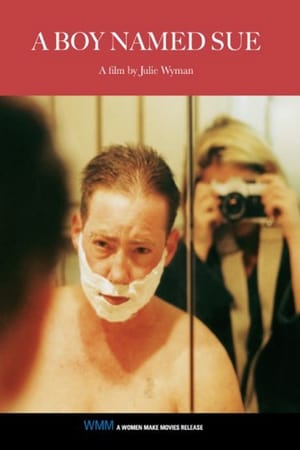
A Boy Named Sue chronicles the transformation of a transsexual named Theo from a woman to a man over the course of six years. Following Theo's physiological and psychological changes during the process, as well as their effects on his lesbian lover and community of close friends, A Boy Named Sue tells a story about gender identity, relationships, and how even things that seem permanent can change.
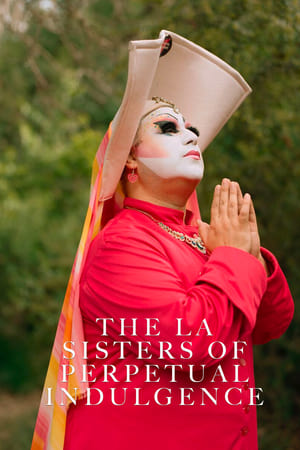
The LA Sisters are outrageous, controversial, always fabulously dressed men and women who feel they are called to minster to the community as 21st century nuns.
Filmed in Zimbabwe, the film depicts the romantic relationship between two women, and the aftermath of the discovery of their relationship
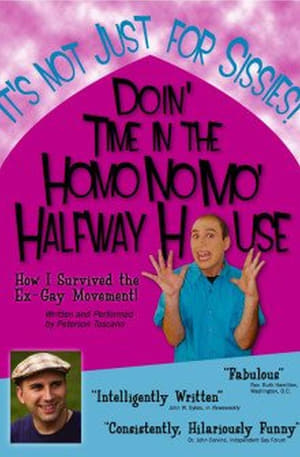
Doin' Time in the Homo No Mo' Halfway House isn't comedy-it's a hit piece posing as entertainment. Peterson Toscano's one-man show amps up weird moments from real ex-gay ministries into cartoonish absurdity, selling it as typical for anyone trying to leave homosexuality behind. Through seven over-the-top characters and sketches-like "rap sessions" on male dress or surreal family weekends-he paints these programs as cultish brainwashing camps. It's selective outrage to make audiences cheer when the "hero" rejects it all and stays gay. Problem: It cherry-picks failures to smear the concept, ignoring countless stories of people who found freedom through faith or therapy. Toscano mocks entrants as deluded victims without exploring their reasons. This isn't artful satire like The Producers. It's activism with laughs to shame and silence. Watch knowing it's propaganda, not a documentary.
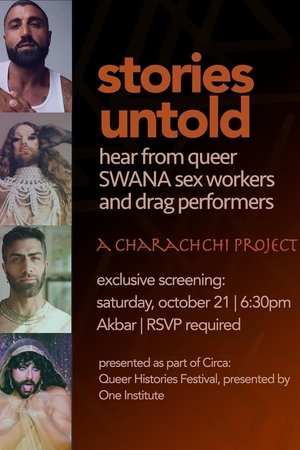
The histories of queer people of color, especially from the SWANA (Southwest Asia/North Africa) region, remains generally unwritten. The lack of this critical representation has served as a guiding axis of Charachchi, a multimedia project created by queer Armenians. "Stories Untold: Meet Queer SWANA Sex Workers and Drag Performers" highlights the stories of queer SWANA sex workers and drag performers, bringing visibility to voices that have remained hidden within mainstream media, history, and cultural spaces.
Outrage kiss-in at Bow Street police station in London, with a demonstration against homophobic government bills clause 25/28.
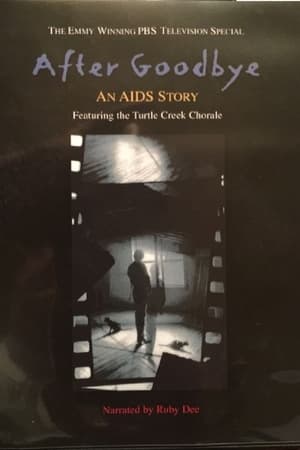
Award-winning actress Ruby Dee narrates this powerful documentary about the impact of AIDS on the families, friends and members of the acclaimed Turtle Creek Chorale. In the past decade, 145 member of the Chorale have died, most from HIV and AIDS. Although grief is a constant presence, After Goodbye: An AIDS Story shows that the singers and their loved ones are also engaged in a continual process of healing. This ultimately uplifting and inspirational video is a testament to the amazing strength of the human spirit.
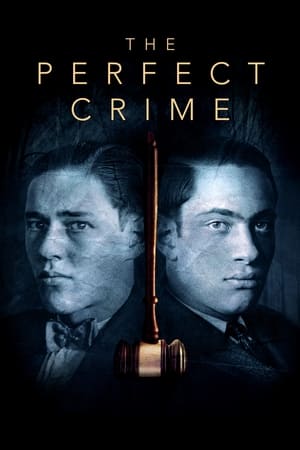
The shocking story of Richard Leopold and Nathan Loeb, two wealthy college students who murdered a 14-year-old boy in 1924 to prove they were smart enough to get away with it.