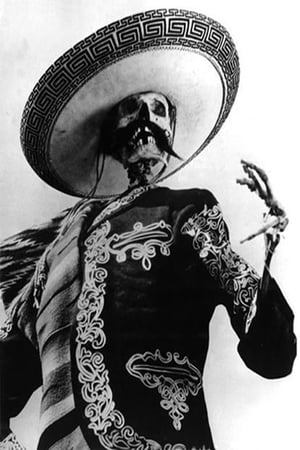
Second attempt to create a feature film out of the 200,000-plus feet of film which Soviet film-maker Sergei Eisenstein shot during 1931-32 in Mexico for American socialist author Upton Sinclair, his wife and a small company of investors. The projected film, to be called "Que Viva Mexico", was never completed due to exhaustion of funds and Stalin's demand that Eisenstein return to the USSR (he had been absent since 1929). The first attempt at editing the footage, in the USA, resulted in "Thunder Over Mexico", released in 1934. In 1940, Marie Seton, from the UK, acquired some of the footage from the Sinclairs in an attempt to make a better cutting according to Eisenstein's skeletal outline for the proposed film. This film has apparently been lost.
Ansichten aus Lemberg
Die Durchbruchsschlacht in Galizien
Erotographie
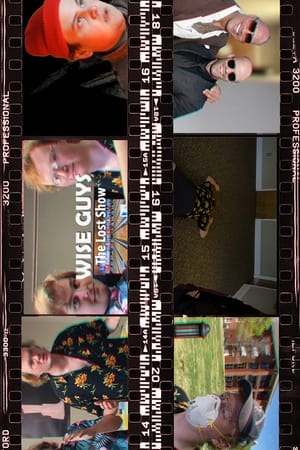
During the COVID-19 pandemic, two college students set out to make a revolutionary television show. The pilot episode was uncovered and presented alongside exclusive interviews with the cast and crew.
Short film about an express steamer
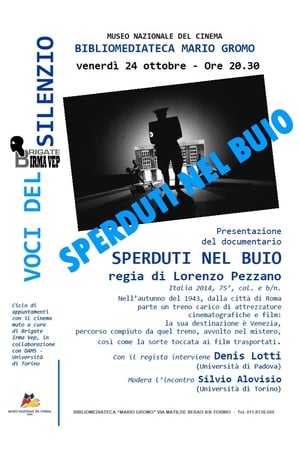
Documentary about the lost 1914 film "Sperduti nel buio". Film historian Denis Lotto journeys across Europe following the trail of the lost movie.
In this color short, Albert Conti brings Mary Carlisle inside a studio to see some new outfits available at J.J. Haggarty’s, Los Angeles.
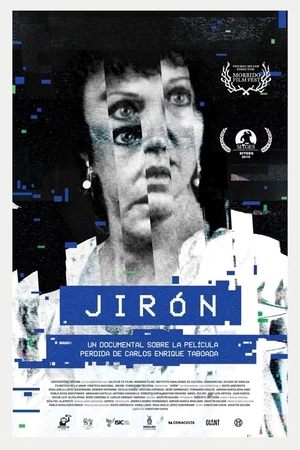
Jirón is the story of “Jirón de niebla” (Shred of Fog), the last film made by Mexico’s duque of horror, Carlos Enrique Taboada, which, for several reasons, was never shown or premiered. The mistery behind the disappearance of this film will be revealed in a series of interviews with the people who worked on it.
Captain Kleinschmidt leads an expedition sponsored by the Carnegie Museum to the arctic regions of Alaska and Siberia to study the natives and the animal life.
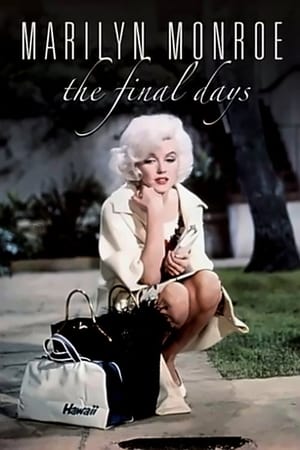
Marilyn Monroe's final project, "Something's Got to Give", has become one of the most talked about unfinished films in history. The story of the film and Marilyn's last days were seemingly lost… until now. Through interviews, never-before-seen footage and an edited reconstruction of "Something's Got to Give", Marilyn Monroe: The Final Days provides a definitive and fascinating look at the last act in the life of the world's most famous and tragic superstar.
Commissioned by the U.S. Treasury Department, the film follows an inspector conducting surprise inspections. Note: As of now, the film is considered lost and no known copies are publicly available.
During his adventure in Mexico, Sergei Eisenstein made footage of a Mexican "Death Day" celebration for inclusion in his "Que Viva Mexico!" film project. When the 200,000-plus feet of film he eventually exposed in Mexico was first attempted to be made into a feature film, "Thunder Over Mexico", the producers excluded the Death Day material for subsequent compilation as an independent short subject. Silent with music track and explanatory English intertitles.
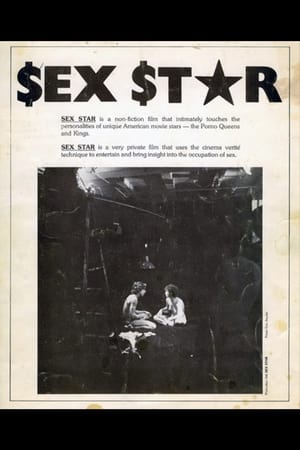
Sex star gives an explosive behind the scenes view of the people who make sexual fantasies come true on the silver screen. Sex Stars is the first feature documentary made by Lech Kowalski.
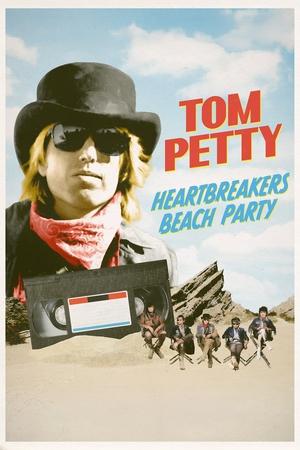
Documentary that captures Tom Petty and the band in 1982-1983 as they finish, promote, and tour around the “Long After Dark” album (their final with legendary producer Jimmy Iovine). It aired only once on MTV in 1983. After the long lost 16mm reels were finally found, a restored version with 19 minutes of extra footage was released in 2024.
A Football Match at Newcastle-on-Tyne refers to a one-minute film recorded in October 1896 by English film pioneer Robert William Paul. According to several film and sports historians, it was the first known recording of a football match.
Scene from a Trilby-themed stage play. Lost.
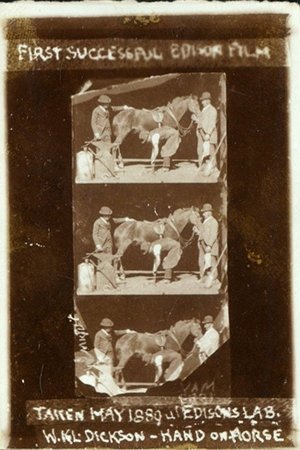
One of the pictures to be seen in the machine, for example, was that of a blacksmith shop in which two men were working, one shoeing a horse, the other heating iron at the forge. One would be seen to drive the nail into the shoe of the horse's hoof, to change his position and every movement needed in the work was clearly shown as if the object was in real (life). In fact, the whole routine of the two men's labor and their movements for the day was presented to the view of the observer.
Vitagraph’s Battle of Santiago Bay (1898) blended real Spanish–American War footage with tabletop trickery. Albert E. Smith’s authentic San Juan material looked underwhelming, so he and partner J. Stuart Blackton staged the naval clash on a miniature set: cardboard ships afloat in shallow water, firecracker “explosions,” and clouds of smoke from cigars and cigarettes. Spliced together, the hybrid film was embraced as genuine by audiences and became one of the most popular war films of its day.
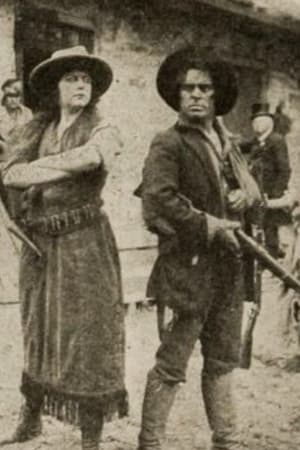
LeGrande, an old trapper, refuses to vacate his favorite hunting grounds when ordered to do so by Sampson and other settlers, and his life is only saved through the intervention of his daughter, Joan. The rascals soon learn to fear the girl's keen wit and daring, and Sampson, already pledged to marry Sanchezza, a Mexican girl, falls in love with Joan.