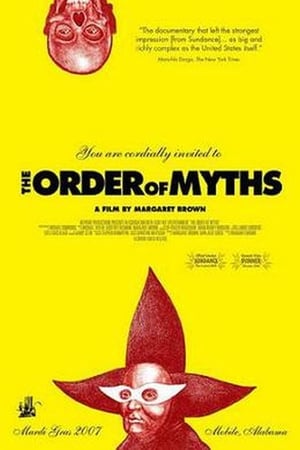
In 2007 Mobile, Alabama, Mardi Gras is celebrated... and complicated. Following a cast of characters, parades, and parties across an enduring color line, we see that beneath the surface of pageantry lies something else altogether.
Follows members of the Zulu Club, New Orleans’ first Black Mardi Gras, as they work to bring the Zulu parade back to the streets for Mardi Gras Day 2022, in the face of a global pandemic, hurricane Ida and the loss of members due to COVID and gun violence.
Die Maskenmacher von Venedig
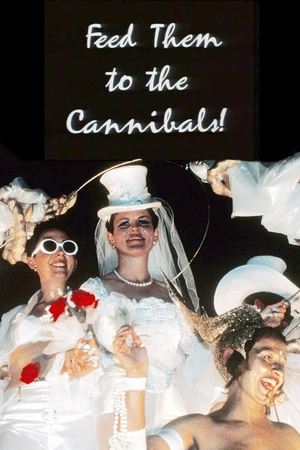
Originally broadcast on ABC's True Stories in 1993, Feed Them to the Cannibals tells the story of Sydney's Gay and Lesbian Mardi Gras. It was the first time cameras were allowed at Sleaze Ball and the Mardi Gras Party.
Documentary about the kolla people living in North Western Argentina.
The feature-length documentary, TOOTIE’S LAST SUIT explores the complex relationships, rituals, history, and music of New Orleans’ vibrant Mardi Gras Indian culture while telling the story of Allison “Tootie” Montana, former Chief of Yellow Pocahontas Hunters. Celebrated throughout the New Orleans as “the prettiest,” for the beauty and inventiveness of his elaborately beaded Mardi Gras costumes, Tootie Montana masked for 52 years, longer than any other Mardi Gras Indian. Yet Tootie Montana’s contributions to Mardi Gras Indian culture far exceed his artistic innovations and dedication. Through the example of his own achievement, he came to be revered for turning Mardi Gras Indians away from gang-style violence toward artistic accomplishment and competition. In the aftermath of Katrina, TOOTIE’S LAST SUIT bears witness to the Mardi Gras Indians who, in picking up the threads of their torn lives and tradition, are the spiritual healers of New Orleans.
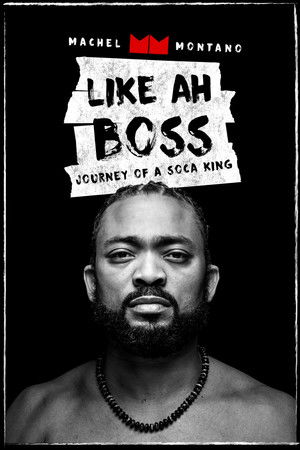
A documentary on Soca legend Machel Montano featuring his grueling 16 shows in 7 days during Carnival 2015, tracing his rise from child prodigy to the "Michael Jackson of the Caribbean.
AquaBurn is an award-winning documentary film by director Bill Breithaupt showcasing "The Floating World" theme of the 2002 Burning Man Festival. AquaBurn features many of the incredible Burning Man art installations, the imagination and originality that went into their creation, and the artists who conceived them. Unlike conventional documentaries on the Burning Man Festival, AquaBurn captures the true feeling and excitement of the event itself, transporting the viewer to a hot, dusty wonderland without ever leaving home.
A beautifully done video of Burning Man 2001, 2002 & 2003. Lots of people interviews, Center Cafe activity and extensive coverage of artist David Best and the Temple construction and burn. This documentary captures the swirling columns of dust that were created during the intense heat of the 2002 Temple burn.
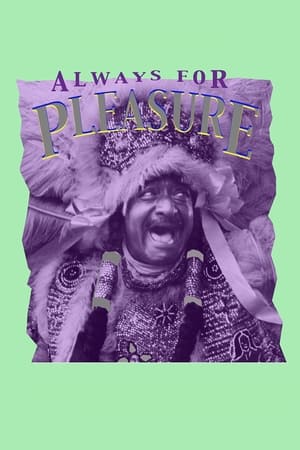
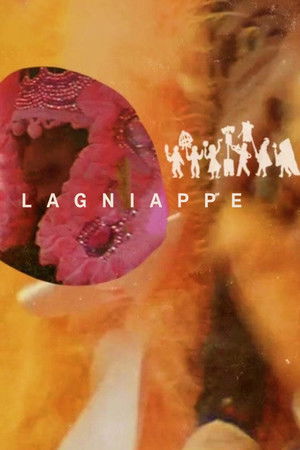
A film created by Les Blank and Maureen Gosling from footage that was cut from the documentary "Always for Pleasure" (1978) about Mardi Gras in New Orleans.
The experience shared by four first-timers demonstrates how Burning Man dissolves the barriers between races, nationalities and economic classes. A beautiful piece of film-making which inspires and entertains as it provides some understanding about why people return year after year.
Drama in the Desert: The Sights and Sounds of Burning Man is a full-color book (which includes a DVD) based on the captivating images of Holly Kreuter, with contributions from an additional 90 Burning Man participants, offering the reader a taste of the Burning Man experience. The DVD includes an original Score by Sean Abreu, seven slideshows featuring 560 Kreuter photographs and video interviews with 8 artists including Larry Harvey.
Haitian history is presented through an explosion of colour, dance and music, as the country prepares for its legendary carnival.
The last days of summer captured on 16mm.
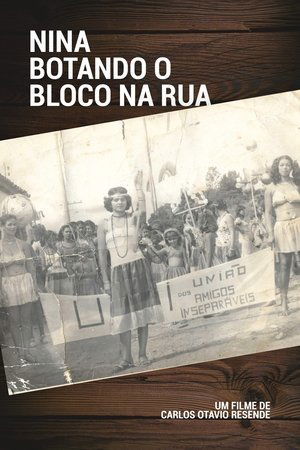
Nina - Botando o Bloco a Rua
Short film about the carnival activities in Mainz, Germany.
Festive Land examines one of the largest and most extraordinary popular celebrations in the world, the week-long Carnival that brings more than two million people to the streets of Salvador, the capital of Bahia, in northeastern Brazil. Carnival is the most expressive showcase of the unique cultural richness of Bahia, where African culture has survived, prospered, and evolved, mixing with other Brazilian influences to create forms found nowhere else in the world. The film captures this unique cultural energy through extraordinary footage of musical performances, dances, religious manifestations, and street celebrations. At the same time, Carnival reflects the racial and social tensions of Brazil's heterogeneous society. At first glance there appear to be two million people chaotically mixed on the streets, but a more detailed look reveals how patterns of segregation driven by racial, social and economic differences continue in Carnival.
200 years of Cologne Carnival! The most colourful and loudest festival in Cologne celebrates a big birthday. In February 1823, a few men from Cologne's upper class founded the so-called 'Festordnende Komitee' - the forerunner of today's 'Festkomitee Kölner Karneval'. This 'big bang' was a reaction to the old festival getting out of hand in orgies and violence. Carnival was in danger. A ban by the Prussian rulers was imminent. The new committee wanted to control the wild goings-on, establish rules and organise the celebrations.
Druids, Romans and Norman knights return to Richmond for the 600th anniversary of the Yorkshire town's charter.
Farewell Ferris Wheel explores how the U.S. Carnival industry fights to keep itself alive by legally employing Mexican migrant workers with the controversial H-2B guestworker visa.