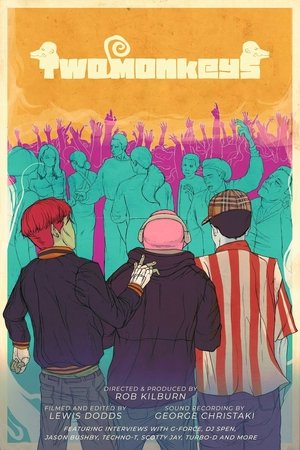
A journey around Norway to seek out regular drug users of the country and tell their untold stories about drug use and discrimination.
Ester Hernandez, winner of the San Francisco Foundation 2004 Community Leadership Awards (Helen Crocker Russell Award) - for fostering community and raising social consciousness through her groundbreaking art, for her work with Creativity Explored, and for inspiring and mentoring the next generation of artists.
Michael Morgan, winner of the San Francisco Foundation 2006 Community Leadership Awards for making symphonic music essential to the culture of the East Bay community. He is dedicated to minority access to the arts and arts education, visiting 100 schools every year. More than 20,000 public school students received hands-on music education because of Michael's leadership.
Dr. Joseph Marshall, Jr., winner of the San Francisco Foundation 2006 Community Leadership Awards (The Robert Kirkwood Award) - for redefining youth violence as a public health issue. By developing violence prevention methodologies and promoting these models nationwide, he influenced the lives of hundreds of young men and women whose mindsets were changed, and futures improved, through their involvement with Omega Boys Club/Street Soldiers.
Eva Paterson, winner of the San Francisco Foundation 2007 Community Leadership Awards (The San Francisco Foundation Award). Eva has empowered thousands of people to make their voices heard in the critical civil rights struggles of our times. Eva's passionate and longtime commitment to advancing social and racial justice through law and public policy, communications and the arts, and alliance building has had a profound local and national impact. Her vision, coalition building, and tenacity have not only won landmark cases, but have raised the visibility and impact of the justice movement to change the very fabric of our society.
National Center for Lesbian Rights, winner of the San Francisco Foundation 2009 Community Leadership Awards (the John R. May Award), for its pioneering spirit and unwavering commitment to advancing the civil and human rights of LGBT people. Its precedent-setting case victories have rewritten laws to change the legal landscape for all LGBT people and families across the nation. Through litigation, public policy advocacy, and public education, NCLR advocates on behalf of LGBT people and their families nationwide. For 30 years, NCLR has been at the forefront of pursuing justice, fairness, and legal protections for all LGBT people.
Dr. Barbara Staggers, winner of the San Francisco Foundation 2004 Community Leadership Awards (San Francisco Foundation Award) - for her dedication to improving adolescent healthcare through community- and school-based care, for promoting teen health among communities of color nationally, and for serving as an outstanding role model for youth pursuing careers in healthcare.
Puente de la Costa Sur, winner of the San Francisco Foundation 2004 Community Leadership Awards (John R. May Award) - for its creative, grassroots efforts to provide education, social justice advocacy, direct services, and community connections enabling immigrant men in rural San Mateo County to improve their living and working conditions
Dr. Washington Burns is the executive director of the Prescott-Joseph Center for Community Enhancement, for working tirelessly to meet the needs and better the lives of West Oakland residents. A retired pathologist, Dr. Burns is at the heart of PJCCE's health and human services, education, literacy, arts, and cultural programs for residents of all ages. A trusted community organizer and partner, he inspires others to narrow disparities in health and social services access and to strengthen their own community. In the spirit of The San Francisco Foundation Award, made to an individual demonstrating exemplary commitment to improving human relations in the Bay Area.
Insight Prison Project, winner of the San Francisco Foundation 2005 Community Leadership Awards (John R. May Award) - for its dedication to breaking the cycle of incarceration through effective in-prison rehabilitation programming, and for being a model for catalyzing statewide prison reform.
Bishop William Swing, winner of the San Francisco Foundation 2006 Community Leadership Awards (The San Francisco Foundation Award) - for creating a more just and compassionate community. He reaches out across religions and takes risks to push for innovative solutions to social problems. Bishop Swing's perseverance in fighting homelessness, raising HIV/AIDS awareness, and providing equal access to healthcare has left an indelible imprint on local, national, and international communities.
Arnold Perkins, winner of the San Francisco Foundation 2007 Community Leadership Awards (the San Francisco Foundation Award). Arnolds broad experiences reflect his passion to build and strengthen community spirit. Through his lifelong commitment to the Bay Area, Arnold has mentored hundreds of African American men and challenged them to be leaders in their own right. His diverse and inspired leadership creates positive change in the health of underserved communities locally and throughout the world.
Jane Garcia, winner of the San Francisco Foundation 2007 Community Leadership Awards (the Robert C. Kirkwood Award). Jane's visionary advocacy reflects the cultures and languages of patients and has advanced the national, state, and regional public health agenda. Under Jane's dynamic leadership, La Clínica de la Raza grew from a storefront clinic to a national model of multilingual and multicultural access to healthcare. More than 20 sites provide crucial healthcare and empowerment to hundreds of thousands of low-income residents across the Bay Area.
A documentary film that delves into the life and cinematic career of one of Japan's most prolific directors: Ishiro Honda. The film will spotlight Honda's filmography from both a historical and personal perspective, exploring his contributions to the Japanese film industry and his firsthand experiences of war, from which he barely survived. It will also delve into his profound feelings regarding the atomic bomb, a subject that became an obsession for him and was frequently reflected in his films. The documentary will analyze Honda's body of work through interviews with individuals who had the privilege of collaborating with him, as well as experts on Honda's films from both Japan and the Western world. Furthermore, the film will uncover Honda's friendship and professional relationship with director Akira Kurosawa.
Faustina - Música Para Viver
Comedian and disrupter extraordinaire Lizz Winstead (co-creator of The Daily Show) and her team of activists crisscross the U.S. to support abortion clinic staff and bust stigma. Pop culture icons and next-gen comics fuel this six-year road film activating small-town folks to rebuild vandalized clinics, exposing wrongdoer politicians, domestic terrorists, and media neglect as the race to the bottom ensues.
Ram Raid Mums follows three desperate mothers, at their breaking point. With nowhere to turn, they discover Mana Inc, a lifeline that sparks hope.
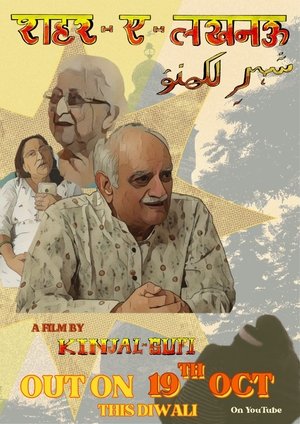
The story of Nisar Ahmed Khan, told through his children and the people he served, a spiritual guide whose followers still visit his tomb on his birth and death anniversaries. And alongside how his family spends a few days at the village keeping his traditions alive.
Kang Aries and Kang Oca are two cultural observers of Kujang who try to provide a justification perspective on the Kujang Philosophy made by one of the blacksmiths named Abah Jajang, where the general public often considers that Kujang is a sharp weapon. The two of them "Kang Aris & Kang Oca" entered the realm of the trial to defend the essence of Kujang, so as not to be considered misunderstood by the general public.
South Korea's is facing a population crisis, with Seoul at the centre of it. The country’s capital remains the beneficiary of both internal and external migration. Instead, it is in the rural and peripheral areas where low birth rates and the aging population have become crises. The countryside is at risk of becoming extinct. As more opportunities and people get concentrated in Seoul, urban pressures have led to rising unemployment and cost of living. And when things get expensive, people do not have babies. Seoul now has the lowest birthrate in South Korea, in a country with the world’s most dire fertility. On the other hand, farms and factories in the rural areas desperately need workers. How can South Korea solve this population puzzle?