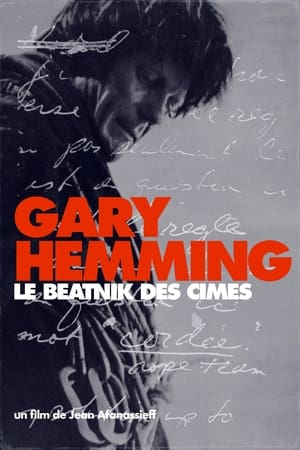
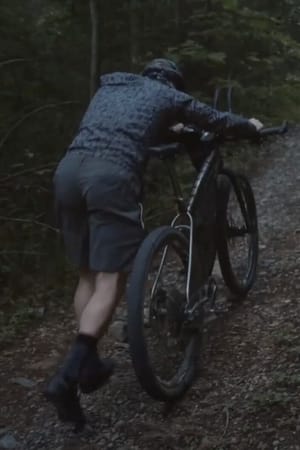
The American mountaineer Gary Hemming marked the era of the 1960s. The story of this "exceptional" character is intimately linked to that of the rescue of the two German mountaineers on the west face of the Drus, in 1966, a rescue which he had took the initiative. While the official emergency services of the EHM try to reach them from above, a pirate rope made up of Gary Hemming, René Desmaison, Lothar Mauch, Gil Bodin, Mike Brurke, François Guillot, the filmmaker Gérard Bauer organizes to join them from below and succeeded after a fierce struggle the rescue. The press seizes the event and elevates Gary Hemming to the rank of national hero. All the newspapers feature this big guy with a cool attitude, mismatched clothes, jovial smile and long blond hair on the front page. From then on, he was nicknamed: "the beatnik of the peaks".
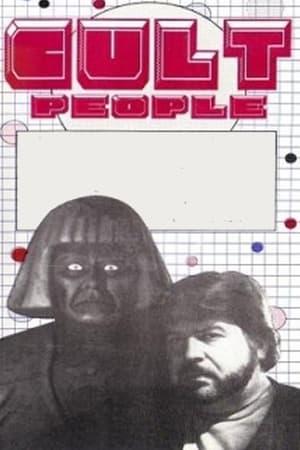
In interviews, various actors and directors discuss their careers and their involvement in the making of what has come to be known as "cult" films. Included are such well-known genre figures as Russ Meyer, Curtis Harrington, Cameron Mitchell and James Karen.
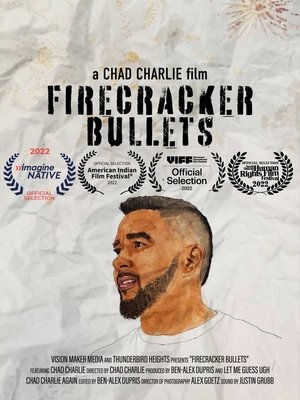
In this personal documentary, Indigenous comedian Chad Charlie goes to participate in the Standing Rock occupation and has a transformative experience. The film takes us on Charlie’s powerful passage of self-discovery, from the irreverent jokester to the culturally aware poet whose powerful spoken word piece encapsulates his realizations at the close of the film. In this blend of cinema, vlog, and social media with tons of humour, Charlie uses a real mix of formats (phone streaming, news footage, fly-on-the-wall documentary style) very effectively, and doesn’t try to work in a huge narrative or have a tidy conclusion. Like many who were there and endured violence by police against their peaceful marches, Charlie is still working through trauma and mental health issues he experienced from it. In his case, this journey has left him with a greater awareness of the ongoing injustices that Indigenous people must still contend with.
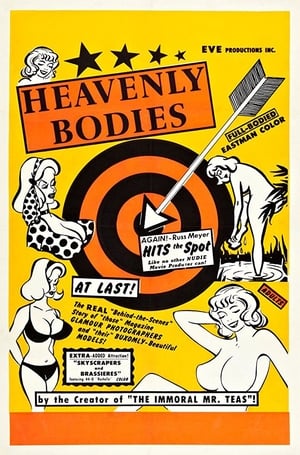
A group of filmmakers shadow some glamour photographers in order to discover the skill involved in getting 'magic' to appear on the photos.
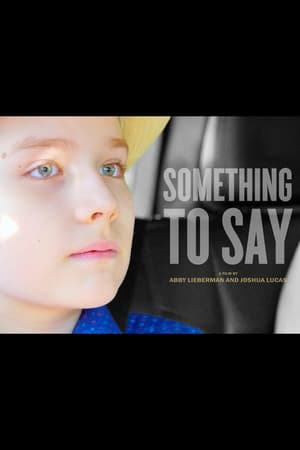
Bryan Charles Kimes has a lot to say, but the power of language escapes him. Lost in a public-school system that does not suit his needs, his parents fight to help him find his voice.
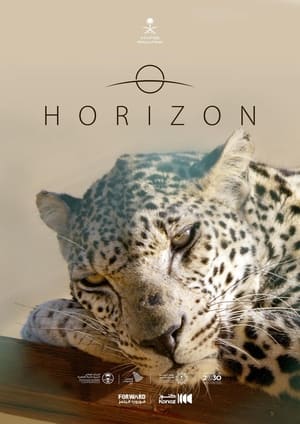
From the turtles of the Farasan Islands to the ibex that dot the Asir Mountains, this documentary captures Saudi Arabia's diverse wildlife and scenery.
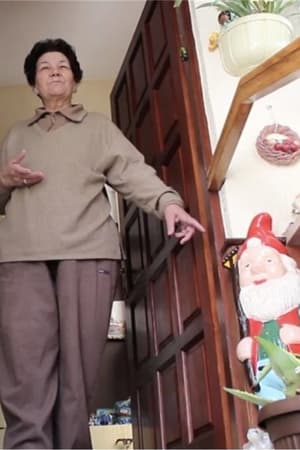
Visiting the home of Marija Janeković in Petrinja on 24th April 2013.
This film is a collection of musical performances, folk images, TV excerpts and audio/visual artifacts from the heart and soul of Sumatra.
In October, during the tense days of the Nagorno-Karabakh war, the director takes his camera to the village of Ashagi Nuvedi in Lankaran. The film follows the daily lives of fishermen — Sakhavat, Ramesh, Rza and Tehran — living in the shadow of the war. They go out to sea every morning amid news from the front, fearing empty nets, and hoping for a miracle — a goldfish in difficult days.
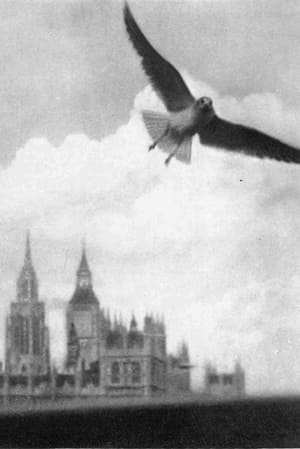
The film takes us to the North of England to follow the migration of the black-headed gull down to London. There, the narrator asks viewers to "listen to their gossip", before demonstrating the bird’s flight in slow motion. We see a polecat feasting on gull eggs, and then a man collecting the eggs for human consumption, with the film telling us that they are considered a “delicacy” in London. Indeed, according to the British Trust for Ornithology, around 300,000 gull’s eggs were sold every year in Leadenhall Market in London during the 1930s, when London Visitors was made.
Adventure bike-packers Matt Schweiker and Luke Swab decide to take on three of the hardest gravel bike rides in the southeast in three consecutive days. These light-hearted and hilarious friends will almost make you forget how difficult these routes are.
A record from the 1948 Arnhem Land Expedition lead by anthropologist Charles P Mountford that explores the abundant birdlife and waterways of Arnhem Land in the Northern Territory of Australia. Thousands of birds, both native to Australia and from around the world, find sanctuary in the billabongs of Arnhem Land, feeding on the fish, insects and flowers that flourish there. Apart from their beauty, the birds serve the useful purpose of helping to keep the balance of nature in the wilderness areas of Australia’s far north. Close photography makes it possible for some of the more interesting birds to be carefully studied. The film’s soundtrack is perhaps the most unique ever recorded, bringing us the thrilling sound of the voices of thousands of birds breaking the quiet of the virgin bush.
The making of the Tarsem Singh's fantasy-film 'The Fall'. Behind the scenes: Part II.
The making of the Tarsem Singh's fantasy-film 'The Fall'. Behind the scenes: Part I.
Set against a backdrop of spectacular neon footage of Vancouver, Los Angeles, and Las Vegas, the film is an illuminating exploration into the vibrant history and contemporary use of neon. The movement, power, and raw exuberance of neon is revealed through a fascinating demonstration of how neon is made, a montage of notable neon installations and commentary from a colorful array of neon experts.
A study of nocturnal butterflies and their mating habits.
The Shrimp is a lush visualist's documentary that follows the life cycle of a shrimp along the marshes of Savannah, Georgia. Beautifully etched images and a canny audio soundtrack create a rich observational work about Southern culture, human folly and the interplay of natural and built environments.
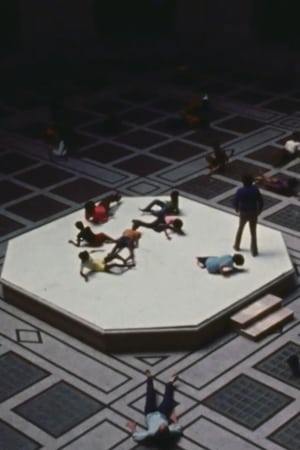
Edited by famed filmmaker Kathleen Collins, Statues Hardly Ever Smile follows a group of middle school children during a six-week project at the Brooklyn Museum, where they collectively discover and respond to the Egyptian collection. With narration by a member of the museum’s education department, we witness the group’s daily exercises and reflections as they create a theatre piece centered on the relationships developed with the objects and each other.
The document illustrates the reconstruction and modernization of Polish villages after the destruction during World War II.
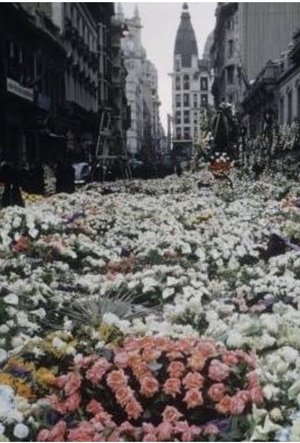
Documentary depicting the funeral of Argentinian First Lady Eva Perón in 1952.