“Entourage” star Adrian Grenier ventures to Cocos Island off the shore of Costa Rica to bring attention to the plight of endangered sharks who are being threatened by poachers and ocean pollution.
In the Bible, God destroys the sinful cities of Sodom and Gomorrah and sides with Joshua to conquer another misbehaving city: Jericho. Are these stories true or simply moral fables? Archaeological and geological evidence holds the answer.
Climate change has reached the indigenous Nenets people in the north of Siberia. The nomads' herds of reindeer move on thin ice. The warming in the Russian Arctic is becoming dramatically visible. Huge craters open in the thawing permafrost and expose dangerous viruses and bacteria. Forest floors dry out and the taiga catches on fire. The pack ice off the coast is melting and depriving polar bears of their habitat so that they approach human settlements in their desperation. The changes in the nature of the Arctic Circle combine with the measurements of researchers and observations of the indigenous people to form a disturbing overall picture: In the Russian Arctic, Pandora's box has been opened! The film team had the chance to shoot in regions that were been restricted areas for decades. The documentary shows in impressive and depressing images already existing effects, phenomena and ominous interlinkages of global warming.
Forget what you think you know about pigs. These remarkable animals have talents we're only beginning to understand. See how pigs have conquered nearly every habitat on Earth, thanks to their remarkable senses, intelligence, and adaptability. From the islands of Indonesia to the beaches of the Bahamas to the frozen tundra of Siberia, meet eight-inch pygmy hogs, cheetah-avoiding warthogs, domesticated pigs with super senses, and more.
Isolated from the rest of the world since the time of the dinosaurs, New Zealand’s magnificent wildlife has been left to its own devices for 80 million years, with surprising consequences. This series reveals New Zealand’s rich and intriguing wildlife stories, from the bustling communities of penguins hiding away in giant daisy forests to the kakapo – Earth’s only species of flightless nocturnal parrots. New Zealand was also the last place to be discovered and settled by people who brought with them new animals, like merino sheep and new predators like the stoat. Finally the series meets the pioneering conservation heroes who are fighting to save some of its most endangered species.
This is the story of a charismatic family of endangered animals and one man’s extraordinary devotion. It unfolds in a distant wilderness, in a land forgotten by time. But change is coming. In less than a year, this magical place, along with those who live here, may be lost forever. Welcome to Quoll Farm.
The Balkans cradles Europe's last wild rivers and supports abundant wildlife and healthy, intact ecosystems. These rivers are "The Undamaged" – clean, pristine, and undammed. With over 2,700 small and large hydro power plants planned or under construction in the Balkans, corruption and greed are destroying the last free-flowing rivers of Europe. Follow the Balkan Rivers Tour, a rowdy crew of whitewater kayakers, filmers, photographers and friends who decided to stand up for the rivers, travelling from Slovenia to Albania for 36 days, kayaking 23 rivers in 6 countries to protest the dams and show the world the secret wild rivers of the Balkans. The film honours everyday people and local activists who are fighting to defend rivers and aims to spread the word of the plight of these rivers, showing a new style of nature conservation that is fun, energetic and effective.
Forest and community guards face insecurity and clandestine logging in their community.
There is a fabulous colony of Greater Horseshoe Bats in the heart of the Camargue. This species of bat is one of the most amazing. A true little clown equipped with the very latest biological technologies, the Greater Horseshoe Bat is as rare as it is mysterious. "The life of a Greater Horseshoe Bat" invites you to share the life of a young female and her mother, for better or for worse...
Anita Chitaya has a gift: she can help bring abundant food from dead soil, she can make men fight for gender equality, and maybe she can end child hunger in her village. Now, to save her home in Malawi from extreme weather, she faces her greatest challenge: persuading Americans that climate change is real. Traveling from Malawi to California to the White House, she meets climate sceptics and despairing farmers. Her journey takes her across all the divisions that shape the USA: from the rural-urban divide, to schisms of race, class and gender, and to the American exceptionalism that remains a part of the culture. It will take all her skill and experience to help Americans recognise, and free themselves from, a logic that is already destroying the Earth.
The bleakness of Antarctica is a fallacy. The ice continent is full of life and offers a biodiversity of which only about two percent are known. Much of it is under water and could determine the future of human beings. When the northern lights cover the ice landscape in summer, the animals in the Antarctic are in a paradisiacal state. Whales blow their fountains in the sky, penguins fly like small rockets into the water, seals dive for crabs under the glittering ice floes. From the bay of the Ross Sea to the ice shelf, from the huge penguin colonies to steaming volcanoes, a life in rhythm with the ice. But the consequences of climate change are slowly becoming apparent here too. While some species are dying, others are spreading. They could bring new viruses and bacteria with them, and new dangers for humans too. The structure of nature has gotten off course. How many generations will still be able to experience the magic of Antarctica?
An exploration of a new paradigm of health, science, and medicine, based on the interconnections between us and nature.
A newly discovered mega-hunt is happening off the coast of South Africa. In an epic annual spectacle in False Bay, a pod of cunning killer whales hunt 5,000 common dolphins.
The culture of Japan is incredible, from bloom festivals to ultra-modern cities. But there are also more than 130 mammals and 600 bird species dwelling in Japan’s 6,852 islands. This island chain is long enough to span climate zones, providing a huge range of habitat.
A remarkable film from the National Geographic's daring EXPLORER series, ICELAND RIVER CHALLENGE follows twelve modern-day pioneers on a treacherous expedition down a remote Icelandic river. Crash through waterfalls and glide through sparkling glacial tunnels on this breathtaking journey. Using kayaks, inflatable rafts, and ultralight aircraft, the adventurers journey through the beauty and isolation of this dangerous waterway. Come explore a river that has, until now, defied exploration; witness the heart-stopping power of nature in all its glory with ICELAND RIVER CHALLENGE.
Orcas, Predators of the Seas
National Geographic : Le Royaume de l'ours polaire
Antarctica is the most extreme continent on our planet—higher, colder, and even drier than any other on Earth, and although it is thousands of miles away, what happens here affects every single one of us.
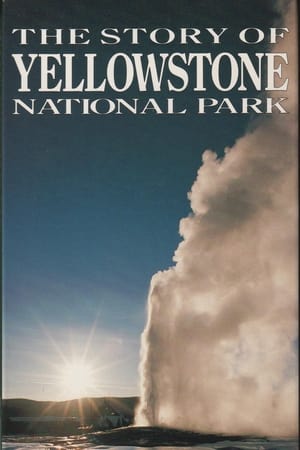
Marvel at "Old Faithful" erupting, vast rolling forests, abundant wildlife, thundering waterfalls, gurgling hot springs and mud pots, and the beautiful, haunting wilderness. Over 2.2 million acres located in the northwest corner of Wyoming, the great Yellowstone National Park was founded in 1872. The superb camera work of Dale Johnson and Bob Landis captures the natural wonders that captivated the early mountain men of the 1840s: petrified forests, mountains of glass and rivers that cooked fish. Thrill to rare and dramatic wildlife action; an antelope doe chasing a coyote from her young, a grizzly pursuing an elk in a life and death chase, a coyote matching wits with an otter; northern elk migrating in deep snow and bighorn sheep in mating battles. See the Yellowstone fire of 1988, and the charred land in full bloom. Ride with a park range into the backcountry. Enjoy a stagecoach ride to a sunrise cookout. It's all here, the magic of the great Yellowstone.
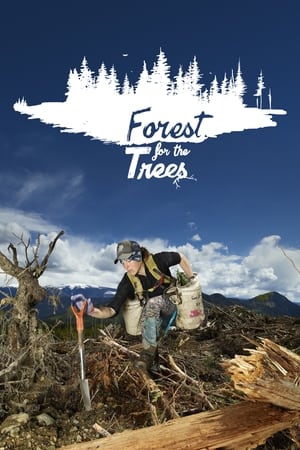
Award-winning war photographer Rita Leistner goes back to her roots as a tree planter in the wilderness of British Columbia, offering an inside take on the grueling, sometimes fun and always life-changing experience of restoring Canada’s forests. Leistner, who has photographed some of the world’s most dangerous places, credits the challenge of tree-planting for her physical and mental endurance. In Forest for the Trees, her first feature film, she revisits her past to share the lessons she learned. The film introduces us to everyday life on the “cut-block” and the brave souls who fight through rough terrains and work endless hours to bring our forests to life. The rugged BC landscape comes to life magically in Leistner’s photography, while the quirky characters and nuggets of wisdom shared around the campfire tell a sincere story of community.