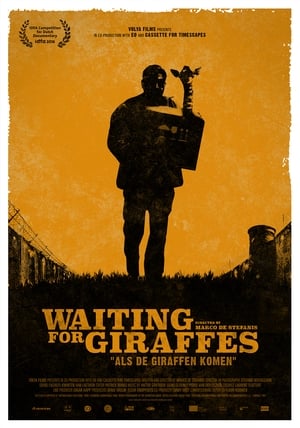
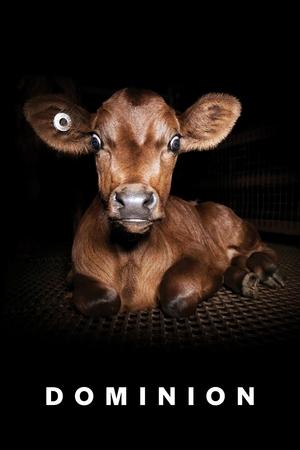
Exposing the dark underbelly of modern animal agriculture through drones, hidden & handheld cameras, the feature-length film explores the morality and validity of our dominion over the animal kingdom.
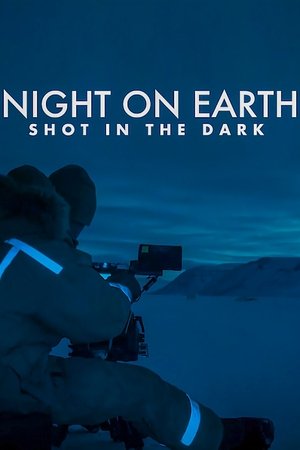
This look behind the scenes shows how worldwide camera crews climbed, dived and froze to capture the documentary's groundbreaking night footage.
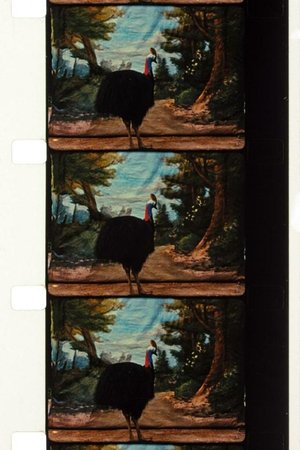
The Antwerp Zoo covers a fair extent of ground, and was already in 1910 generally considered as an important one. A large number of views of birds and animals were taken and hand coloured. In those days, the monkey house was in for much attention. People found that the various comic incidents added a touch of whimsicality.
The original film of the Tasmanian tiger (also known as the thylacine) was shot by Australian zoologist David Fleay in 1933 on black-and-white film. Recently, this historic footage has been colorized and digitized by a team of international experts. You can watch the remastered footage of the last-known surviving Tasmanian tiger here. The thylacine, which resembled a medium-to-large-sized canid, had dark transverse stripes radiating from the top of its back. Sadly, the last known thylacine died in 1936 at the Hobart Zoo in Tasmania.
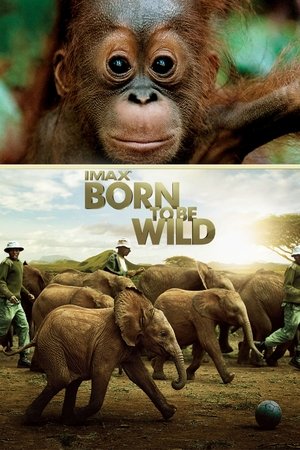
Born to Be Wild observes various orphaned jungle animals and their day-to-day behavioural interactions with the individuals who rescue them and raise them to adulthood. The film unfurls in two separate geographic spheres. Half of it takes place in the rain forests of Borneo, where celebrated primatologist Dr. Birute Galdikas assists baby orangutans; the other half takes place on the arid savannahs of Kenya, where zoologist Dame Daphne Sheldrick works with baby elephant calves.
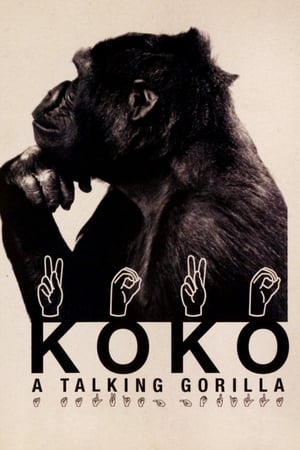
A documentary that follows Dr. Penny Patterson's current scientific study of Koko, a gorilla who communicates through American Sign Language.
The documentary investigates the challenges and practices of animal welfare in the Rio de Janeiro Biopark, addressing how different species are cared for outside their natural habitats. The production reveals the work of specialized Biologists and Veterinarians, highlighting essential aspects such as the population plan and environmental enrichment.
For more than a century the great colonial powers put human beings, taken by force from their native lands, on show as entertainment, just like animals in zoos; a shameful, outrageous and savage treatment of people who were considered subhuman.
The tragic death of a polar bear triggers the end of the Buenos Aires Zoo. A superhero lover lawyer asks a court to declare the orangutan Sandra a Non-Human Person and revolutionizes the planet. A very Argentine story, full of passions, embarrassing missteps and memorable characters.
Documentary by Jean-Pierre Gorin about twin girls who spontaneously developed their own unique language as children.
"The World's Loneliest Elephant" Kaavan will finally experience freedom, thanks to his biggest champion, the one & only Cher. We'll follow Cher, Free The Wild, Four Paws International, and Kaavan on every step of the trip.
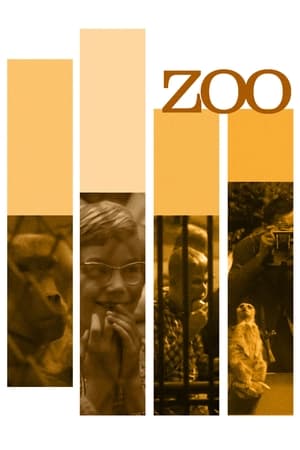
A perfect, fast and hilarious montage. Using images from Artis (Amsterdam Zoo), Bert Haanstra shows that a couple of similarities can be discovered between human and animal. Particularly the manner in which human and ape are confronted with each other, is significant. The images speak for themselves, human voices or commentary is absent. The ironic music of Pim Jacobs does add an extra dimension to the whole. With regards to human and animal Haanstra limits himself for the time being to this short film, recorded with a hidden camera. Later on, in several big films, he would return to this subject.
Pelicans move
Checkpoint Zoo documents a daring rescue led by a heroic team of zookeepers and volunteers, who risked their lives to save thousands of animals trapped in a zoo behind enemy lines in the Russian Invasion of Ukraine.
Curiosity and Control examines our complex relationship to nature itself. A multi layered look at the world of Museums of Natural History and Zoological gardens, with voices from historians, authors, architects and zoo managers. It raises questions about how we perceive nature and our contradictory behavior of caging what we fear may be lost.
A male lion, right next to bars that are about 6 or 8 inches apart, keenly watches a uniformed zoo attendant toss small morsels of food into the cage. The lion alternates between finding the food on the cage floor and reaching through the bars to swipe at the man, who stays alarmingly close to the beast. In the background are the large rocks and brick wall at the back of the lion's habitat.
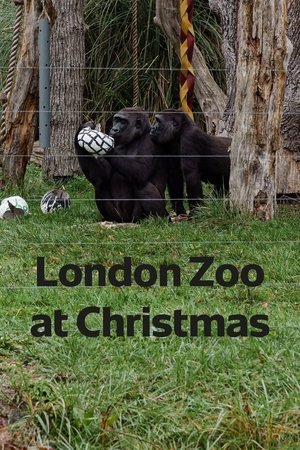
An exclusive, festive behind-the-scenes look at the iconic London Zoo, as they prepare for the most wonderful time of the year and make the holiday magic happen.
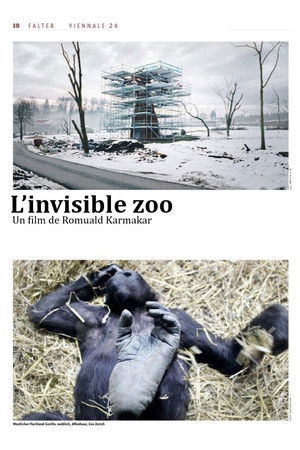
Across the seasons, the film gives an account of life and work and the animals and visitors at Zurich Zoo, an institution that is one of the leading zoological gardens in Europe. Animals in their cages, humans in the cinema. What lies between them?
Travel around the globe to some of the best zoos, which are striving to fill a new role that relates directly to environmental education.
Roll-call in the Rockies: In Banff National Park census takers on horseback count animals. Zoo Comes to Class: Animals from Stanley Park Zoo visit an elementary school in Vancouver. It's A Dog's Life: The S.P.C.A. in Montréal performs good deeds for people's pets.